The Future of NFTs and AI-Generated Art
The Future of NFTs and AI-Generated Art: A Convergence in Progress
The digital universe is undergoing a profound transformation, driven by two innovative forces: NFTs (Non-Fungible Tokens) and AI-Generated Art. Together, these technologies are redefining the concepts of creation, ownership, and value in the art world.
NFTs emerged as a digital certificate of ownership and authenticity, solving a chronic problem in digital art: endless copying and lack of originality. They allow artists to "stamp" their works on a blockchain, creating a unique, collectible, and traceable item.
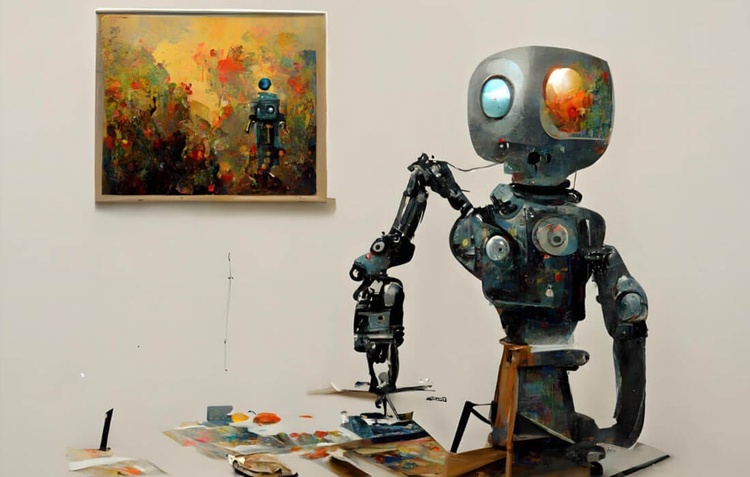
In parallel, generative AI tools (such as Midjourney, DALL-E, Stable Diffusion) have democratized the creation of complex and surprising images. Now, anyone with a prompt (a textual description) can generate unique visuals, challenging the traditional notion of the "artist" as the sole creator.
Where does the future of this convergence lie?
1. The Artist as Curator and Creative Director: The role of the artist is evolving. Instead of just painting or drawing, the creator will act as a "director" who defines concepts, adjusts prompts, refines results, and imprints their unique aesthetic vision on the process. The artistic signature will be in the curation and layer of meaning, not just in the manual technical execution.
2. Dynamic and Interactive Collections: NFTs can be programmable. Imagine an NFT artwork that changes over time, responds to external data (such as weather or news), or generates new variations of itself through AI. Art ceases to be static and becomes a living, evolving entity.
3. Proof of Process and Authenticity: A major challenge of AI-powered art is the issue of authorship and originality. NFTs can be the solution, recording not only the final work but the entire creative process: the prompts used, the iterations, the generating seeds. This creates a verifiable and immutable history of the piece's creation.
4. New Business Models and Community: The combination allows for innovative models. Artists can train AI models with their unique style and sell NFTs generated from it. Collectors can acquire an NFT that grants the right to generate derivative works. Communities can co-create collections through collective prompts.
Challenges to Overcome:
• Copyright Issues: Who is the true author? The model programmer? The prompt user? The artist whose style was trained on the model? Legislation is still catching up with the technology.
• Market Saturation: The ease of generation can lead to a flood of content, making it difficult to discover art of true cultural value.
• Perceived Value: The market will need to learn to value the conceptual creativity behind the prompt and the curation, rather than just rarity or manual skill.
Conclusion:
The future is not about AI replacing artists or NFTs being just expensive images. It's about a new creative tool (AI) finding the perfect authentication and ownership system (NFTs). Together, they are building a new digital art ecosystem, more accessible in its creation, but also more complex in its definition of value and authorship. The true artwork of the future may not just be the image we see, but the original idea, the algorithmic process, and the accompanying certificate of authenticity.
Latest
Publications
- February 19, 2026
New Masters of Poster Design | Volume 1
News
Daily Artwork
- February 19, 2026
Time in the camps

Publications
Article
- February 19, 2026
Remedios Varo: Alchemical Surrealism in Mexico
Article
- February 19, 2026
Spatialism and Light in the Work of Lucio Fontana
Publications
- February 19, 2026
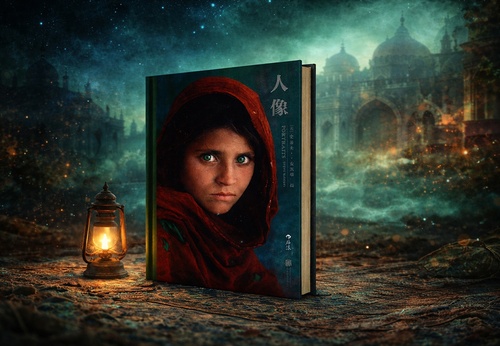
Steve McCurry Portraits
Publications
- February 19, 2026
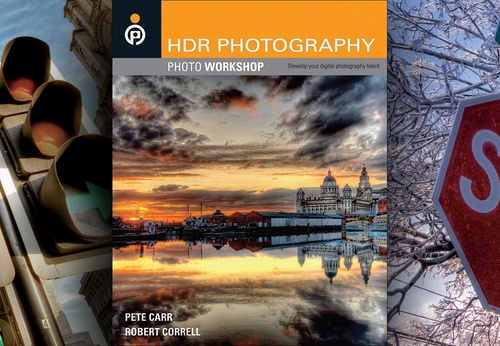
HDR Photography Photo Workshop
Publications
- February 18, 2026
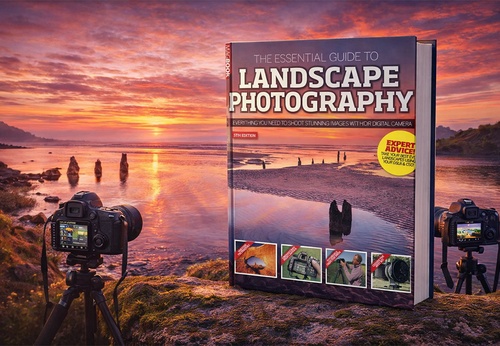
THE ESSENTIAL GUIDE TO LANDSCAPE PHOTOGRAPHY
- February 19, 2026
Remedios Varo: Alchemical Surrealism in…

- February 19, 2026
Spatialism and Light in the Work of Luc…
- February 18, 2026
Frida Kahlo: The Aesthetics of Pain and…
- February 18, 2026
Tarsila do Amaral's Anthropophagy and B…
- February 17, 2026
Art in the Street: Expression, Resistan…

- February 17, 2026
Most famous male cartoonists in Latin A…

- February 16, 2026
The Art of Caricature: Expression, Humo…
- February 16, 2026
The Art of Caricature in Latin America
- February 15, 2026
Joaquín Torres-García and Constructive …
- February 15, 2026
Mexican Muralism: A Dialogue Between Ar…
- February 14, 2026
Urban and Street Art
- February 14, 2026
Art as the Awakening of the People

- February 12, 2026
Contemporary Printmaking and the Concep…

- February 12, 2026
Graphic design as visual language in co…
- February 10, 2026
The Forging of Modern Mexican Sculpture
- February 10, 2026
The Legacy of the Avant-Garde in Modern…

- February 09, 2026
Fernando Traverso: The Art of Absence a…
- February 09, 2026
Latin American Art and the Palestinian …

- February 08, 2026
Indigenous Artistic Expressions of Lati…
- February 08, 2026
Indigenous Artistic Expressions of Lati…
- August 29, 2023
The history of Bolivian art
- February 19, 2024
Analysis and meaning of Van Gogh's Star…
- January 28, 2024
Culture and Art in Argentina

- September 25, 2023
What is the importance of art in human …

- September 23, 2023
What is paint?

- August 23, 2023
The 11 types of art and their meanings
- August 10, 2023
14 questions and answers about the art …

- September 23, 2023
Painting characteristics
- August 30, 2023
First artistic manifestations
- January 12, 2024
10 most beautiful statues and sculpture…
- September 23, 2023
History of painting

- March 26, 2024
The importance of technology in art1
- March 26, 2024
Cultural identity and its impact on art…

- July 13, 2024
The impact of artificial intelligence o…
- October 18, 2023
History of sculpture
- April 07, 2024
Graffiti in Latin American culture

- December 20, 2024
What is art? Definition, concept and ar…
- April 02, 2024
History visual arts in Brazil
- August 16, 2023
The 15 greatest painters in art history

- April 06, 2024
History of visual arts in Ecuador
- February 19, 2024
Analysis and meaning of Van Gogh's Star…

- August 13, 2023
9 Latino painters and their great contr…
- August 23, 2023
The 11 types of art and their meanings
- August 27, 2023
15 main works of Van Gogh
- August 10, 2023
14 questions and answers about the art …
- August 29, 2023
The history of Bolivian art
- January 28, 2024
Culture and Art in Argentina
- November 06, 2023
5 Latin American artists and their works
- September 23, 2023
Painting characteristics
- September 23, 2023
What is paint?
- September 25, 2023
What is the importance of art in human …
- March 26, 2024
Cultural identity and its impact on art…
- August 30, 2023
First artistic manifestations
- December 18, 2023
10 iconic works by Oscar Niemeyer, geni…
- January 12, 2024
10 most beautiful statues and sculpture…
- January 20, 2024
What is the relationship between art an…

- August 24, 2023
The most famous image of Ernesto "Che" …

- October 30, 2023
Characteristics of Contemporary Art
- August 22, 2023
What are Plastic Arts?
- May 26, 2024
Técnicas de artes visuais