Graphic Art as a Builder of Collective Imaginaries and a Tool for Mass Communication
Graphic art, in its many forms—from posters and illustrations to editorial design and screen printing—has played a fundamental role in shaping the visual culture of contemporary societies. Beyond its aesthetic function, graphic art stands as a communicative bridge between ideas, movements, and mass audiences, democratizing access to art and becoming a privileged vehicle for transmitting political, cultural, and social messages.
The power of graphic art lies in its capacity for synthesis. Unlike other artistic expressions that require prolonged contemplation, graphic art must capture the viewer's attention in fractions of a second, conveying a clear and powerful message through the strategic combination of image, typography, and color. This quality has historically made it an indispensable ally of social and educational movements. During the years of the Popular Unity government in Chile, for example, the development of mass production technologies like screen printing allowed for the widespread distribution of artworks and democratized the consumption of cultural goods, bringing art closer to the people and extending its reach to the masses. The artist became "a cultural worker," creating art "in which we all participate, not just the way an elite understands itself, but one that reaches everyone."
In the Latin American context, graphic design began to professionalize and find its own voice in the 1960s and 1970s. In Mexico, large-scale events like the 1968 Olympic Games spurred the development of a modern graphic identity that engaged with the country's visual tradition. This period marked the beginning of a struggle to establish graphic design as a high-quality profession, capable of visual communication and of evolving alongside the changes and interests of society.
Graphic art has also been a territory of experimentation and fusion with other artistic movements. Latin American avant-gardes, in their quest to break free from the constraints of the colonial past, found in design, typography, and graphic composition a space to explore new ways of perceiving the world. Movements such as Futurism, Cubism, and Constructivism influenced the creation of graphic pieces that broke with traditional representation, embracing abstraction and formal experimentation. Artists like the Uruguayan Joaquín Torres García, with his Constructive Universalism, proposed geometric languages specific to the region, which had a profound impact on Latin American design and graphic arts.
Today, in the digital age, graphic art continues to be a fertile and constantly expanding field. From interface design and digital illustration to the revival of artisanal techniques such as engraving and screen printing, graphic artists remain the architects of our everyday visual experience. Their work not only beautifies the environment but also constructs collective imaginaries, defines cultural identities, and facilitates dialogue between people and ideas. Graphic art, ultimately, is the visual skin of society, the silent yet omnipresent language that surrounds us and constantly communicates with us.
Latamarte
Latest
Article
Daily Artwork
Daily Artwork
- February 22, 2026
Board of Peace...
Publications
- February 22, 2026
Painting with Watercolour by David Howell
Article
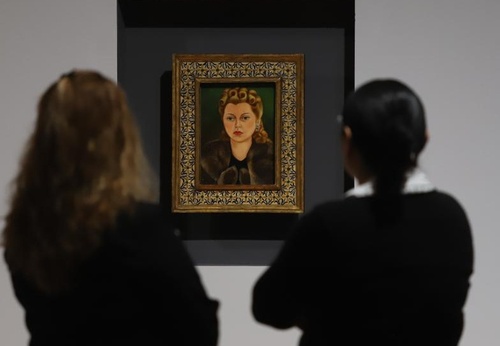
News
- February 21, 2026
Mexico Exhibition: Gelman-Santander Collection of Modern Art
Publications
- February 21, 2026
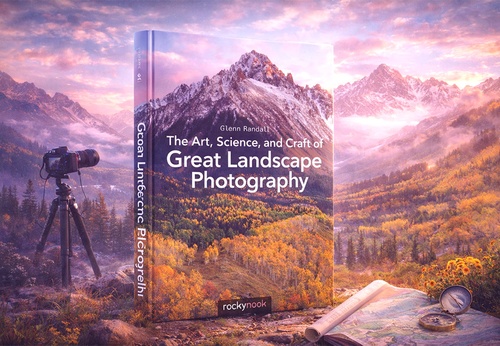
The Art, Science, and Craft of Great Landscape Photography
Daily Artwork
- February 21, 2026
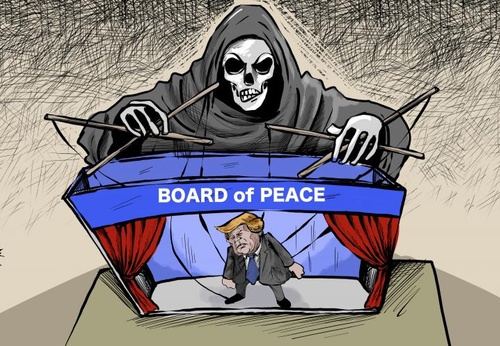
Board of Peace
Article
- February 21, 2026
The Importance of Modern Art in Society
- February 22, 2026
Graphic Art as Political and Social Exp…

- February 22, 2026
Graphic Art as a Builder of Collective …
- February 21, 2026
The Importance of Modern Art in Society

- February 21, 2026
The Birth of Modern Art

- February 19, 2026
Remedios Varo: Alchemical Surrealism in…

- February 19, 2026
Spatialism and Light in the Work of Luc…

- February 18, 2026
Frida Kahlo: The Aesthetics of Pain and…

- February 18, 2026
Tarsila do Amaral's Anthropophagy and B…
- February 17, 2026
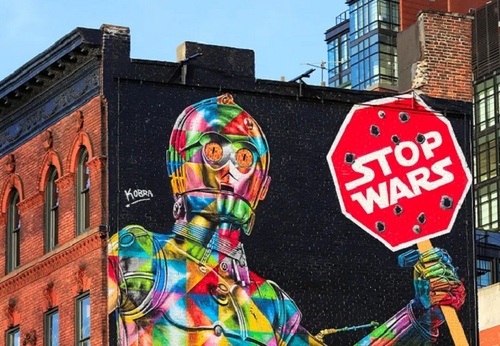
Art in the Street: Expression, Resistan…

- February 17, 2026
Most famous male cartoonists in Latin A…

- February 16, 2026
The Art of Caricature: Expression, Humo…
- February 16, 2026
The Art of Caricature in Latin America
- February 15, 2026
Joaquín Torres-García and Constructive …
- February 15, 2026
Mexican Muralism: A Dialogue Between Ar…

- February 14, 2026
Urban and Street Art
- February 14, 2026
Art as the Awakening of the People

- February 12, 2026
Contemporary Printmaking and the Concep…

- February 12, 2026
Graphic design as visual language in co…
- February 10, 2026
The Forging of Modern Mexican Sculpture

- February 10, 2026
The Legacy of the Avant-Garde in Modern…
- August 29, 2023
The history of Bolivian art
- February 19, 2024
Analysis and meaning of Van Gogh's Star…
- January 28, 2024
Culture and Art in Argentina

- September 25, 2023
What is the importance of art in human …

- September 23, 2023
What is paint?

- August 23, 2023
The 11 types of art and their meanings
- August 10, 2023
14 questions and answers about the art …

- September 23, 2023
Painting characteristics
- August 30, 2023
First artistic manifestations
- January 12, 2024
10 most beautiful statues and sculpture…
- September 23, 2023
History of painting
- March 26, 2024
The importance of technology in art1
- March 26, 2024
Cultural identity and its impact on art…

- July 13, 2024
The impact of artificial intelligence o…
- October 18, 2023
History of sculpture
- April 07, 2024
Graffiti in Latin American culture

- December 20, 2024
What is art? Definition, concept and ar…

- April 02, 2024
History visual arts in Brazil
- August 16, 2023
The 15 greatest painters in art history

- April 06, 2024
History of visual arts in Ecuador
- February 19, 2024
Analysis and meaning of Van Gogh's Star…

- August 13, 2023
9 Latino painters and their great contr…
- August 23, 2023
The 11 types of art and their meanings
- August 27, 2023
15 main works of Van Gogh
- August 10, 2023
14 questions and answers about the art …
- August 29, 2023
The history of Bolivian art
- January 28, 2024
Culture and Art in Argentina

- November 06, 2023
5 Latin American artists and their works
- September 23, 2023
Painting characteristics
- September 23, 2023
What is paint?
- September 25, 2023
What is the importance of art in human …
- March 26, 2024
Cultural identity and its impact on art…
- August 30, 2023
First artistic manifestations
- December 18, 2023
10 iconic works by Oscar Niemeyer, geni…
- January 12, 2024
10 most beautiful statues and sculpture…
- January 20, 2024
What is the relationship between art an…

- August 24, 2023
The most famous image of Ernesto "Che" …

- October 30, 2023
Characteristics of Contemporary Art
- August 22, 2023
What are Plastic Arts?
- May 26, 2024
Técnicas de artes visuais