Visual Art in Cuba: A Window to Identity and Revolution
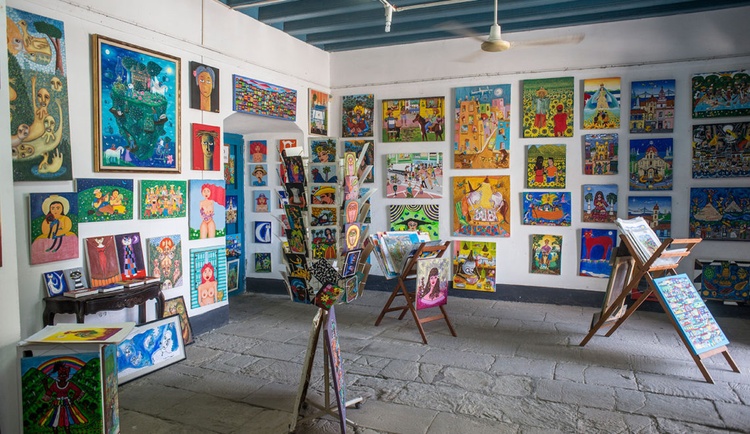
Cuban visual art is a vibrant mosaic of influences, history, and contemporary expressions that reflect the island's complex identity. From pre-Columbian times to the present, Cuba has developed a unique artistic landscape, marked by the convergence of cultures and transformative political events.
Historical Roots and Influences
Cuban art has its roots in the indigenous Taíno traditions, visible in ceramics and carvings, which merged with Spanish influences during colonization. In the 19th century, an academic style of painting emerged, depicting landscapes and scenes of everyday life, with artists such as Vicente Escobar and Augusto Ferrer. However, it was not until the 20th century that Cuban art reached maturity and international recognition.
The Cuban Avant-Garde
In the 1920s, a group of modern artists, known as the Vanguard, revolutionized art on the island. Figures like Amelia Peláez, Wifredo Lam, and Carlos Enríquez combined elements of Cubism, Surrealism, and European Modernism with indigenous themes and symbols. Lam, in particular, is celebrated for his work "The Jungle" (1943), a powerful representation of Afro-Cuban culture and Caribbean identity.
Art After the Revolution
The Cuban Revolution of 1959 marked a turning point. The new government promoted art in service of socialist ideology, with an emphasis on accessible art education. The National School of Art (ENA) was founded, and collectives such as the Group of Eleven emerged. Political posters and printmaking experienced a notable boom, with artists like Raúl Martínez and Antonio Cano.
However, in the 1980s, the "Volume One" movement introduced a conceptual renewal, with artists like José Bedia, Flavio Garciandía, and Ana Mendieta, who explored themes of identity, religion, and social critique, sometimes facing censorship.
The Special Period and Contemporary Art
The fall of the Soviet Union and the beginning of the "Special Period" in the 1990s brought economic challenges but also an explosion of creativity. Artists such as Los Carpinteros, Tania Bruguera, and Kcho gained international recognition, addressing themes such as migration, scarcity, and globalization. The use of unconventional materials and performance art became commonplace.
Tania Bruguera, for example, is known for her "useful art," which seeks to generate social change, although she has faced tensions with the Cuban government due to her critical works.
Institutions and Spaces
Cuba boasts key institutions such as the National Museum of Fine Arts (with its Cuban Art and Universal Art branches), the Wifredo Lam Center for Contemporary Art, and the Havana Biennial, founded in 1984, which attracts artists from around the world and positions Cuba within the global art circuit.
Challenges and Future
Cuban artists navigate between tradition and innovation, between state support and the pursuit of expressive freedom. Despite economic and political limitations, Cuban art maintains extraordinary vitality, engaging with its history while exploring new forms of expression.
In conclusion, Cuban visual art is a testament to the resilience, diversity, and passion of a people. From Lam to the current generations, Cuban artists continue to enrich the global cultural landscape, offering a profound and multifaceted vision of the island's reality.
Latamarte
Latest
Article
- January 31, 2026
Artificial Intelligence in Graffiti Art
Publications
- January 31, 2026
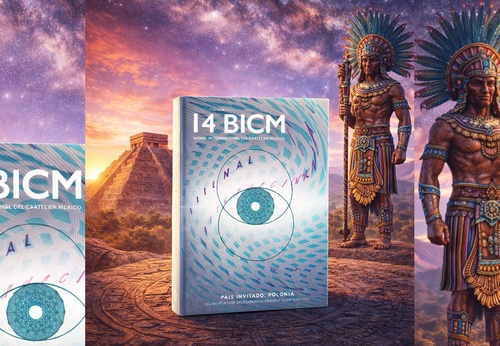
Mexico International Poster Biennial (14 BICM)

Article
- January 31, 2026
The Future of Street Art
Daily Artwork
- January 31, 2026
Look alike
Daily Artwork
- January 31, 2026
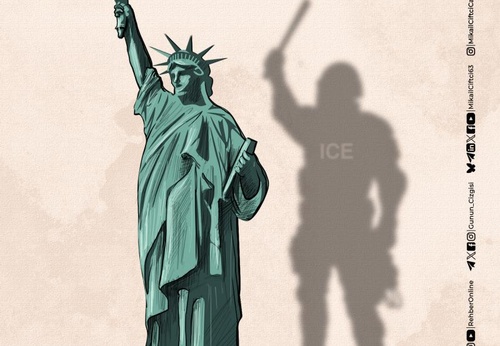
Freedom in America
Publications
- January 31, 2026
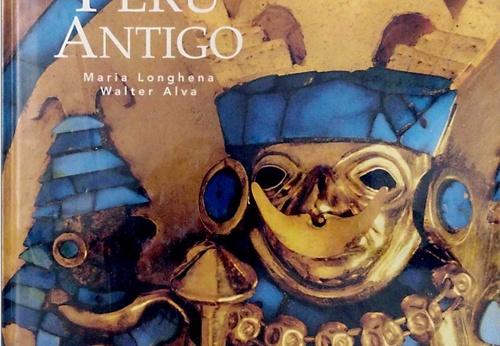
Peru Antigo by Maria Longhena

Publications
- January 30, 2026
2025 Wildlife Photography Exhibition
Article
- January 28, 2026
Globalization and New Discourses in Contemporary Latin American Art
Article
- January 28, 2026
Contemporary Art in Latin America

- January 31, 2026
Artificial Intelligence in Graffiti Art
- January 31, 2026
The Future of Street Art
- January 28, 2026
Globalization and New Discourses in Con…
- January 28, 2026
Contemporary Art in Latin America

- January 27, 2026
The Evolution of Art: From Classical to…
- January 27, 2026
What are Visual Arts and Why Do They Ma…

- January 26, 2026
First artistic manifestations
- January 26, 2026
Art in the Street: Expression, Identity…

- January 25, 2026
text-to-image generator with ai

- January 25, 2026
The 'uncomfortable' muralist who portra…

- January 24, 2026
Artificial Intelligence as a Tool and C…

- January 24, 2026
Artificial Intelligence in Art

- January 21, 2026
Art of Artificial Intelligence and its …

- January 21, 2026
5 most striking features of modernism
- January 19, 2026
History of painting
- January 19, 2026
Conditions and characteristics of sacre…

- January 08, 2026
The art of caricature in Latin America
- January 07, 2026
Languages, Aesthetics, and Meaning of C…
- January 07, 2026
Street Art as a Form of Social and Cult…

- January 06, 2026
Symbolism and Spirituality in Latin Ame…
- August 29, 2023
The history of Bolivian art
- February 19, 2024
Analysis and meaning of Van Gogh's Star…
- January 28, 2024
Culture and Art in Argentina

- September 25, 2023
What is the importance of art in human …

- September 23, 2023
What is paint?

- August 23, 2023
The 11 types of art and their meanings
- August 10, 2023
14 questions and answers about the art …

- September 23, 2023
Painting characteristics
- August 30, 2023
First artistic manifestations
- January 12, 2024
10 most beautiful statues and sculpture…
- September 23, 2023
History of painting

- March 26, 2024
The importance of technology in art1

- July 13, 2024
The impact of artificial intelligence o…
- March 26, 2024
Cultural identity and its impact on art…
- April 07, 2024
Graffiti in Latin American culture
- April 02, 2024
History visual arts in Brazil
- August 16, 2023
The 15 greatest painters in art history

- April 06, 2024
History of visual arts in Ecuador
- October 18, 2023
History of sculpture
- March 05, 2024
The art of sculpture in Latin America
- February 19, 2024
Analysis and meaning of Van Gogh's Star…

- August 13, 2023
9 Latino painters and their great contr…
- August 23, 2023
The 11 types of art and their meanings
- August 10, 2023
14 questions and answers about the art …
- August 27, 2023
15 main works of Van Gogh
- August 29, 2023
The history of Bolivian art
- January 28, 2024
Culture and Art in Argentina
- November 06, 2023
5 Latin American artists and their works
- September 23, 2023
Painting characteristics
- September 23, 2023
What is paint?
- September 25, 2023
What is the importance of art in human …
- March 26, 2024
Cultural identity and its impact on art…
- August 30, 2023
First artistic manifestations
- December 18, 2023
10 iconic works by Oscar Niemeyer, geni…
- January 20, 2024
What is the relationship between art an…
- January 12, 2024
10 most beautiful statues and sculpture…

- August 24, 2023
The most famous image of Ernesto "Che" …
- October 30, 2023
Characteristics of Contemporary Art
- May 26, 2024
Técnicas de artes visuais
- August 22, 2023
What are Plastic Arts?