Folk Art in Indigenous Communities of Latin America
Folk Art in Indigenous Communities of Latin America: A Legacy of Resistance and Worldview
Introduction
The folk art of the indigenous peoples of Latin America constitutes a vast and vibrant universe of material expressions that transcends mere decoration or functionality. It is, above all, a system of knowledge, a visual narrative of the worldview, history, and cultural resistance of hundreds of communities across the continent. Far from being static, it is a living, dynamic art in constant dialogue between ancestral tradition and contemporary realities.
Foundations and Worldview
At its core, this art is profoundly symbolic and collective. Each piece—whether a textile, a ceramic, a basket, or a carving—is imbued with meanings that connect the individual and the community to their natural environment, their spirituality, and their historical memory.
• Connection with Nature: The designs frequently incorporate geometric or figurative motifs that represent sacred elements: the mountain (Apus), water, corn, the jaguar, the condor, the serpent. The colors are usually derived from natural dyes and reflect the palette of the local landscape.
Memory and identity: Art functions as a historical archive. Mayan textiles, for example, through their huipiles or cortes (skirts), can indicate the specific community of origin, marital status, and even narrate historical or mythological events. Andean khipus, although not folk art in the conventional sense, are the supreme example of a textile recording system.
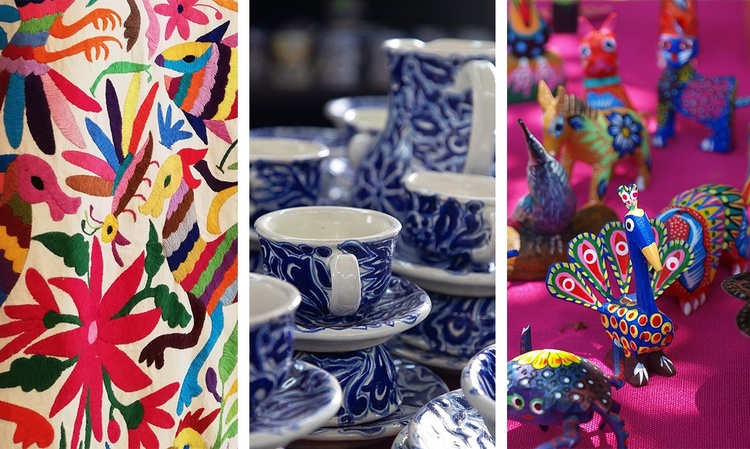
Art and spirituality: Many creations are an integral part of rituals and ceremonies. The masks used in dances (such as the chinelos in Mexico or the diablados in the Andes), the alebrije figures, or the Ayacucho retablos (altarpieces) have a ceremonial or offering function, mediating between the human and spiritual worlds.
Main Manifestations
The diversity is overwhelming, but some expressions are emblematic:
1. Textiles: This is perhaps the most widespread and significant expression. Techniques such as the backstrap loom (Mexico and Central America), the treadle loom, and the intricate handwoven textiles of the Andes (aguayos, ponchos, sashes) achieve unparalleled technical and symbolic mastery. Communities like the Zapotec (Mexico), the Maya (Guatemala), the Shipibo-Conibo (Peru) with their geometric designs (quene), and the Mapuche (Chile/Argentina) with their ikat and symbols like the guemil, are guardians of this knowledge.
2. Ceramics: From the wheel-thrown pottery of the Quechua and Aymara peoples (such as the chicheras or the toritos of Pucará), to the black pottery of San Bartolo Coyotepec (Mexico) or the polychrome pottery of Talavera (with indigenous and mestizo roots), clay shapes both everyday utensils and ritual pieces full of meaning.
3. Basketry and Fiberwork: Using techniques dating back to pre-Columbian times, weaving with fibers such as palm, reed, cattail, or wild cane produces everything from hats (like the famous Panama hat, originally from Ecuador) to baskets, mats, and furniture, demonstrating a deep understanding of the ecosystem's resources.
4. Silversmithing and Goldsmithing: Peoples like the Mapuche (with their spectacular trapelakucha and sikil) or those of the Andean region have worked silver not only as adornment but also as a symbol of status and a protective element, fusing pre-Hispanic techniques with colonial influences.
Folk Art as an Act of Resistance and Adaptation
The history of Indigenous folk art is marked by colonization, but also by formidable resistance. After the Conquest, Indigenous peoples often camouflaged their symbols and deities within forms and motifs accepted by the evangelizers, in a process of syncretism visible to this day. In the contemporary era, this art faces new challenges: cultural homogenization, commercial exploitation by third parties (misappropriation of designs by large brands), and migration. However, it has also strengthened as a symbol of identity and political protest. Artists and communities are organizing to protect their collective intellectual property rights, reclaim the value of their work, and use art to bring visibility to struggles for land and human rights.
Movements like "My Design Is Not Your Trend!" led by Indigenous women in Mexico and Guatemala exemplify this fight against plagiarism and the decontextualization of their sacred symbols.
Conclusion: Latin American Indigenous folk art is much more than crafts. It is a living language, an act of cultural persistence, and a testament to the profound relationship between peoples and their territory. It is an art that narrates, protects, resists, and transforms. Supporting it ethically, recognizing its authorship and context, and valuing it in its proper cultural dimension, is fundamental to contributing to the preservation of the diversity and spiritual richness of Latin America. In every woven thread, in every molded vessel, beats the memory of a people and their unique vision of the world.
Latamarte
.
Latest
Gallery
- February 05, 2026
Gallery of Cartoon by Cuban Cartoonists
Publications
- February 05, 2026
Explore the Wonders of PERU from the Amazon to the Andes
Publications
- February 04, 2026
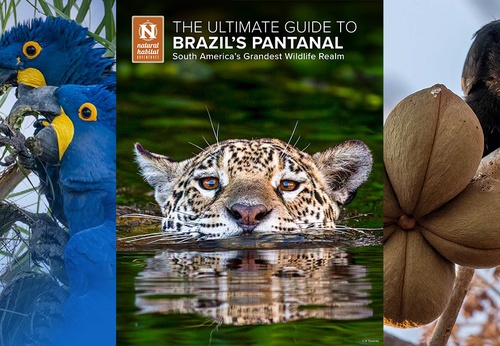
Brazil's Pantanal: South America's Grandest Wildlife Realm
Daily Artwork
- February 03, 2026
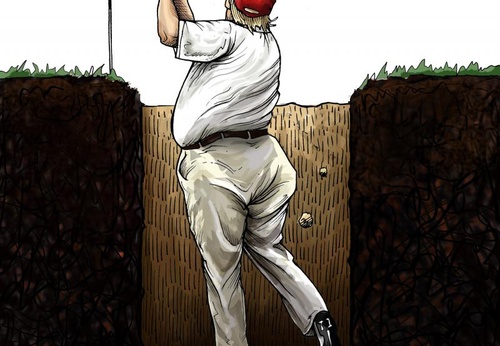
A hole in one

Article
- February 03, 2026
Artificial Intelligence and the Reconfiguration of Matter

Gallery
- February 03, 2026
Gallery of Graphic Design & Branding Works by Andrei J Castanha – Brazil

Publications
- February 03, 2026
The Ultimate Guide to Nature Photo Expeditions
Daily Artwork
- February 02, 2026
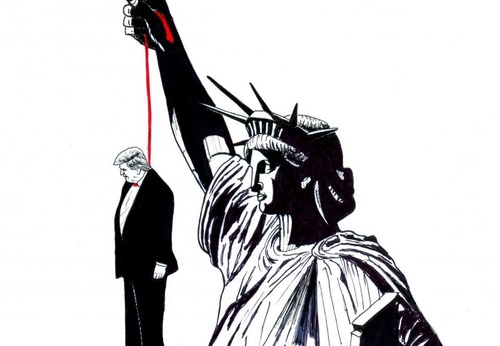
Liberty
Daily Artwork
- February 02, 2026
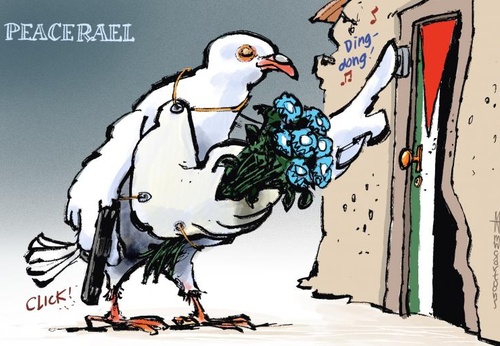
Peacerael Nothing changed. The killing goes on.

- February 03, 2026
Artificial Intelligence and the Reconfi…

- February 02, 2026
10 most expensive Latin American painti…

- February 02, 2026
Importance of visual arts at School

- February 01, 2026
Impressionism and the Revolution of Lig…

- February 01, 2026
The Importance of Urban Art in the Iden…

- January 31, 2026
Artificial Intelligence in Graffiti Art

- January 31, 2026
The Future of Street Art

- January 28, 2026
Globalization and New Discourses in Con…

- January 28, 2026
Contemporary Art in Latin America

- January 27, 2026
The Evolution of Art: From Classical to…

- January 27, 2026
What are Visual Arts and Why Do They Ma…

- January 26, 2026
First artistic manifestations

- January 26, 2026
Art in the Street: Expression, Identity…

- January 25, 2026
text-to-image generator with ai

- January 25, 2026
The 'uncomfortable' muralist who portra…

- January 24, 2026
Artificial Intelligence as a Tool and C…

- January 24, 2026
Artificial Intelligence in Art

- January 21, 2026
Art of Artificial Intelligence and its …

- January 21, 2026
5 most striking features of modernism
- January 19, 2026
History of painting
- August 29, 2023
The history of Bolivian art

- February 19, 2024
Analysis and meaning of Van Gogh's Star…

- January 28, 2024
Culture and Art in Argentina

- September 25, 2023
What is the importance of art in human …

- September 23, 2023
What is paint?

- August 23, 2023
The 11 types of art and their meanings

- August 10, 2023
14 questions and answers about the art …

- September 23, 2023
Painting characteristics
- August 30, 2023
First artistic manifestations

- January 12, 2024
10 most beautiful statues and sculpture…
- September 23, 2023
History of painting

- March 26, 2024
The importance of technology in art1

- July 13, 2024
The impact of artificial intelligence o…

- March 26, 2024
Cultural identity and its impact on art…
- April 07, 2024
Graffiti in Latin American culture

- April 06, 2024
History of visual arts in Ecuador
- August 16, 2023
The 15 greatest painters in art history

- April 02, 2024
History visual arts in Brazil
- October 18, 2023
History of sculpture

- January 31, 2024
Examples of Street Art – Urban Art
- February 19, 2024
Analysis and meaning of Van Gogh's Star…

- August 13, 2023
9 Latino painters and their great contr…
- August 23, 2023
The 11 types of art and their meanings
- August 10, 2023
14 questions and answers about the art …

- August 27, 2023
15 main works of Van Gogh
- August 29, 2023
The history of Bolivian art
- January 28, 2024
Culture and Art in Argentina

- November 06, 2023
5 Latin American artists and their works
- September 23, 2023
Painting characteristics
- September 23, 2023
What is paint?
- September 25, 2023
What is the importance of art in human …
- March 26, 2024
Cultural identity and its impact on art…
- August 30, 2023
First artistic manifestations

- December 18, 2023
10 iconic works by Oscar Niemeyer, geni…

- January 20, 2024
What is the relationship between art an…
- January 12, 2024
10 most beautiful statues and sculpture…

- August 24, 2023
The most famous image of Ernesto "Che" …

- October 30, 2023
Characteristics of Contemporary Art

- May 26, 2024
Técnicas de artes visuais

- August 22, 2023
What are Plastic Arts?