Artificial Intelligence in Art
Artificial Intelligence in Art: Human Creativity in Dialogue with Algorithms
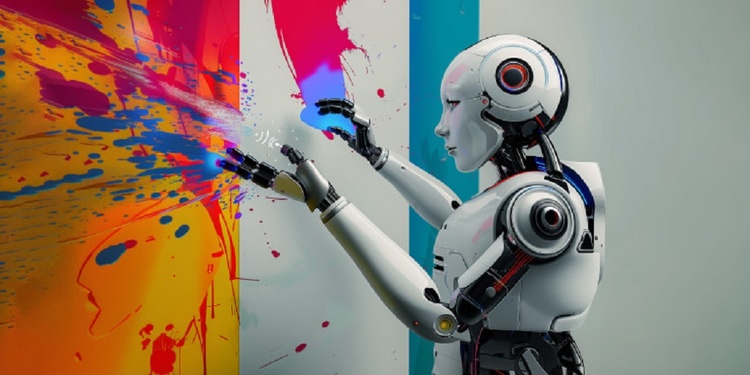
Artificial intelligence (AI) has profoundly transformed various sectors of society, and the field of art is one of the most impacted by this technological revolution. What once seemed exclusive to human sensitivity and creativity—painting, composing music, writing poems, or creating images—can now also be accomplished, to some extent, by computational systems. This new reality raises aesthetic, ethical, and cultural debates about the role of the artist, the authorship of artworks, and the very concept of creativity.
What Is Art Generated by Artificial Intelligence?
Art generated by artificial intelligence refers to works created with the help of algorithms, especially those based on machine learning and neural networks. These systems are trained with large volumes of data—images, sounds, texts, or videos—and learn patterns, styles, and structures from this material. Based on this learning, they are able to generate new works that imitate or combine characteristics of the training data.
AI tools are already capable of producing paintings in the style of famous artists, composing original music, writing scripts, and even creating sculptures with the help of 3D printers. In this process, human beings can act as programmers, curators, or creative collaborators, guiding the machine and selecting the results.
Creativity: Human, Artificial, or Hybrid?
One of the main debates surrounding AI in art concerns creativity. Traditionally, creativity is associated with human experience, emotions, subjectivity, and cultural context. Artificial intelligence, on the other hand, operates based on mathematical calculations and statistics. This raises the question: can a machine truly be creative?
Many scholars argue that AI creativity is, in fact, a reflection of human creativity, since algorithms depend on data produced by people. Others claim that by generating unprecedented combinations and unpredictable results, AI participates in a new type of creativity—non-human, but equally valid. Thus emerges the idea of hybrid creativity, in which humans and machines create together.
Impacts on the Role of the Artist
With the popularization of AI tools, the role of the artist is also changing. Instead of being only the executor of the artwork, the artist can take on the role of creative director, defining concepts, parameters, and intentions, while the machine carries out part of the process. This does not mean the end of the artist, but rather a shift in the way art is produced.
At the same time, this transformation generates insecurities. Many artists fear the devaluation of human labor, replacement by automated systems, and the aesthetic homogenization of works generated by AI. These concerns reinforce the need to discuss limits, copyright, and forms of recognition in the use of these technologies.
Ethical and Legal Issues
Art produced by artificial intelligence also raises important ethical and legal issues. Who is the author of a work created by an algorithm? The programmer? The user? The company that developed the technology? Or no one? In addition, there are controversies regarding the use of copyrighted works in the training of AI models, often without the consent of the original artists.
Another critical point involves cultural diversity. If training data are limited or biased, AI-generated art may reproduce stereotypes and exclude marginalized voices. Therefore, data curation and transparency in the development of these systems are fundamental aspects.
The Future of Art with Artificial Intelligence
The relationship between art and artificial intelligence is still under construction. Rather than seeing AI as a threat, many artists and researchers view it as a powerful tool for experimentation and creative expansion. The history of art shows that new technologies—such as photography, cinema, and digital art—initially caused discomfort, but ultimately expanded artistic possibilities.
In the future, AI-created art is likely to become increasingly common, integrated into exhibitions, performances, and various cultural productions. The challenge will be to find a balance between technological innovation and the appreciation of human experience, ensuring that art remains a space for expression, reflection, and sensitivity.
Conclusion
Artificial intelligence in art does not replace human creativity, but rather provokes, challenges, and transforms it. By incorporating algorithms into the creative process, we are invited to rethink what art is, who can create it, and what its limits are. More than a rupture, AI represents a new chapter in the long history of the relationship between art, technology, and humanity.
Latest

Article
- January 27, 2026
The Evolution of Art: From Classical to Digital

Article
- January 27, 2026
What are Visual Arts and Why Do They Matter Today?

Gallery
- January 27, 2026
Selected Illustration Gallery of Venezuelan Artists

Gallery
- January 27, 2026
Selected Caricature Gallery of Cuban Artists
Publications
- January 26, 2026
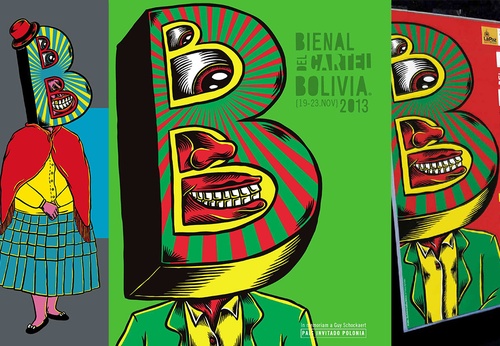
Bolivia Poster Biennial (BICeBé 2013)
Gallery
- January 26, 2026
Selected Gallery of Paintings by Peruvian Artists

Gallery
- January 26, 2026
Selected Gallery of Watercolor Paintings by Peruvian Artists

Article
- January 26, 2026
First artistic manifestations

Article

- January 27, 2026
The Evolution of Art: From Classical to…
- January 27, 2026
What are Visual Arts and Why Do They Ma…

- January 26, 2026
First artistic manifestations
- January 26, 2026
Art in the Street: Expression, Identity…

- January 25, 2026
text-to-image generator with ai

- January 25, 2026
The 'uncomfortable' muralist who portra…

- January 24, 2026
Artificial Intelligence as a Tool and C…
- January 24, 2026
Artificial Intelligence in Art
- January 21, 2026
Art of Artificial Intelligence and its …
- January 21, 2026
5 most striking features of modernism
- January 19, 2026
History of painting

- January 19, 2026
Conditions and characteristics of sacre…

- January 08, 2026
The art of caricature in Latin America
- January 07, 2026
Languages, Aesthetics, and Meaning of C…
- January 07, 2026
Street Art as a Form of Social and Cult…
- January 06, 2026
Symbolism and Spirituality in Latin Ame…
- January 06, 2026
Sacred Art in Latin America: Meeting be…
- January 05, 2026
The Importance of Art in Society
- January 04, 2026
Graphic Art: Much More Than an Image, a…
- January 04, 2026
The Future of NFTs and AI-Generated Art
- August 29, 2023
The history of Bolivian art
- February 19, 2024
Analysis and meaning of Van Gogh's Star…
- January 28, 2024
Culture and Art in Argentina
- September 25, 2023
What is the importance of art in human …
- September 23, 2023
What is paint?

- August 23, 2023
The 11 types of art and their meanings
- August 10, 2023
14 questions and answers about the art …
- September 23, 2023
Painting characteristics
- August 30, 2023
First artistic manifestations
- January 12, 2024
10 most beautiful statues and sculpture…
- September 23, 2023
History of painting
- March 26, 2024
The importance of technology in art1

- July 13, 2024
The impact of artificial intelligence o…
- March 26, 2024
Cultural identity and its impact on art…
- April 07, 2024
Graffiti in Latin American culture
- April 02, 2024
History visual arts in Brazil

- April 06, 2024
History of visual arts in Ecuador
- August 16, 2023
The 15 greatest painters in art history
- October 18, 2023
History of sculpture
- March 05, 2024
The art of sculpture in Latin America
- February 19, 2024
Analysis and meaning of Van Gogh's Star…
- August 13, 2023
9 Latino painters and their great contr…
- August 23, 2023
The 11 types of art and their meanings
- August 10, 2023
14 questions and answers about the art …
- August 27, 2023
15 main works of Van Gogh
- August 29, 2023
The history of Bolivian art
- January 28, 2024
Culture and Art in Argentina
- November 06, 2023
5 Latin American artists and their works
- September 23, 2023
Painting characteristics
- September 23, 2023
What is paint?
- September 25, 2023
What is the importance of art in human …
- March 26, 2024
Cultural identity and its impact on art…
- August 30, 2023
First artistic manifestations
- December 18, 2023
10 iconic works by Oscar Niemeyer, geni…
- January 20, 2024
What is the relationship between art an…
- January 12, 2024
10 most beautiful statues and sculpture…

- August 24, 2023
The most famous image of Ernesto "Che" …

- October 30, 2023
Characteristics of Contemporary Art
- May 26, 2024
Técnicas de artes visuais
- August 22, 2023
What are Plastic Arts?