Art as the Awakening of the People
Art as the Awakening of the People: A Cry and Resistance Against Oppression
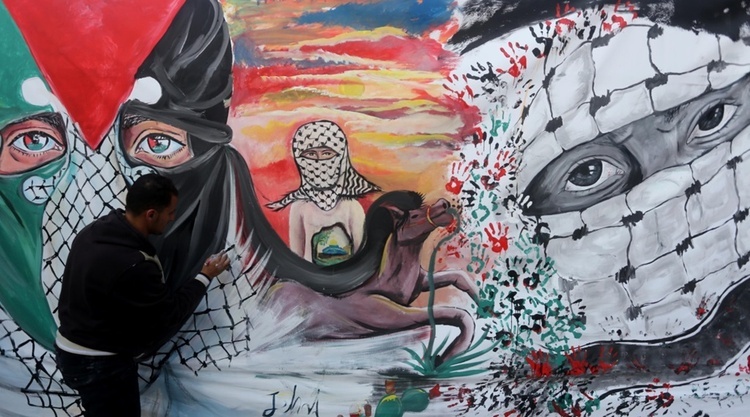
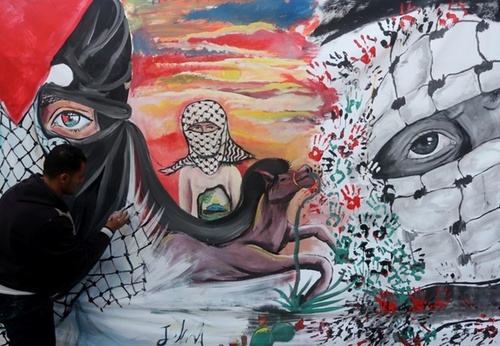
Throughout history, art has proven to be much more than a mere aesthetic expression; in humanity's darkest moments, it has stood as a powerful instrument of denunciation, a mirror reflecting social wounds, and above all, a catalyst for the awakening of collective consciousness in the face of oppression and inequality. From murals that narrate ancestral struggles to songs that become anthems of freedom, "artivism" has been the voice of the voiceless, transforming pain into resistance and memory into a driving force for action.
The relationship between art and the fight against injustice is based on its capacity to humanize conflict. While statistics and political reports can desensitize, art—whether a painting, a theatrical piece, or a poem—has the power to connect with the viewer's empathy, presenting suffering and struggle from a profoundly personal and moving perspective. In contexts of censorship and repression, art becomes a refuge for truth, a space where forbidden narratives can be articulated and the official discourse challenged without immediately arousing suspicion. Artists, in this sense, act as witnesses of their time, "carrying both the wound and the cure," keeping the pain alive so it is not forgotten, while pointing to a horizon of hope.
A paradigmatic example of this phenomenon is the role of art during apartheid in South Africa. In an era when open resistance was deadly, culture became a weapon of liberation. The echoes of freedom songs, the vibrant murals on the walls of townships, and the poignant poetry gave voice to an oppressed nation. Exiled artists, like those represented in the exhibition "Still We Rise," continued to paint their country from memory, turning their studios into trenches and their works into "living archives of the cultural DNA" that the regime attempted to destroy. Works that were "claws born under a regime that forbade seeing," and which, upon being repatriated, not only recover a heritage but also reopen a dialogue about justice and historical memory.
This function of art persists and adapts today. Artists from around the world use their platforms to address contemporary crises such as gender violence, the climate crisis, systemic racism, and economic inequality. It is no longer just about representing reality, but about "imagining fairer futures that have yet to be born." Art, in this context, becomes a battleground for the imagination, challenging the prevailing pessimism and offering alternative visions of society. From the poignant works of Lebo Thoka, which restores the dignity of femicide victims by transforming them into sacred icons, to the pieces by Themba Khumalo that document forced evictions in post-apartheid South Africa, art demonstrates that the fight against oppression is not over. It is, in essence, proof that creativity, when placed at the service of justice, can be the most honest form of diplomacy, awakening consciences and mobilizing wills where other discourses fail.
Latamarte
Latest
Article
- February 14, 2026
Urban and Street Art
Article
- February 14, 2026
Art as the Awakening of the People
Daily Artwork
- February 14, 2026
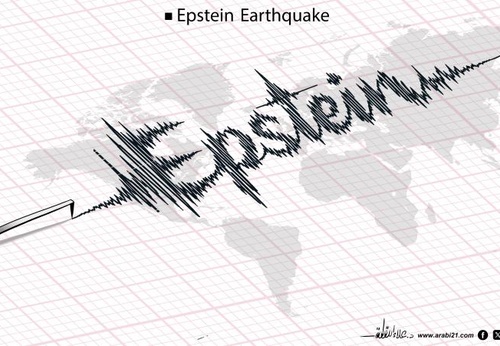
Epstein Earthquake
Daily Artwork
- February 14, 2026
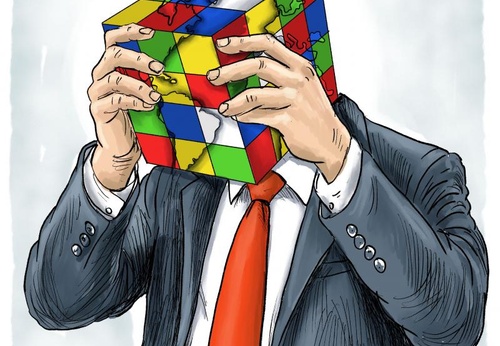
Political puzzle
Publications
- February 14, 2026
Latin America in Caricature by John J. Johnson
Publications
- February 13, 2026
Michal Batory Posters
Publications
- February 12, 2026
WAR AGAINST WAR | Photography and World War One
Article
- February 12, 2026
Contemporary Printmaking and the Concept of Expanded Field
Article
- February 12, 2026
Graphic design as visual language in contemporary culture
- February 14, 2026
Urban and Street Art
- February 14, 2026
Art as the Awakening of the People
- February 12, 2026
Contemporary Printmaking and the Concep…

- February 12, 2026
Graphic design as visual language in co…
- February 10, 2026
The Forging of Modern Mexican Sculpture
- February 10, 2026
The Legacy of the Avant-Garde in Modern…

- February 09, 2026
Fernando Traverso: The Art of Absence a…
- February 09, 2026
Latin American Art and the Palestinian …
- February 08, 2026
Indigenous Artistic Expressions of Lati…
- February 08, 2026
Indigenous Artistic Expressions of Lati…
- February 07, 2026
Muralism in Latin America: The Pictoria…
- February 07, 2026
Painting in Latin America: A Journey of…

- February 03, 2026
Artificial Intelligence and the Reconfi…
- February 02, 2026
10 most expensive Latin American painti…

- February 02, 2026
Importance of visual arts at School

- February 01, 2026
Impressionism and the Revolution of Lig…
- February 01, 2026
The Importance of Urban Art in the Iden…

- January 31, 2026
Artificial Intelligence in Graffiti Art
- January 31, 2026
The Future of Street Art
- January 28, 2026
Globalization and New Discourses in Con…
- August 29, 2023
The history of Bolivian art
- February 19, 2024
Analysis and meaning of Van Gogh's Star…
- January 28, 2024
Culture and Art in Argentina

- September 25, 2023
What is the importance of art in human …
- September 23, 2023
What is paint?

- August 23, 2023
The 11 types of art and their meanings
- August 10, 2023
14 questions and answers about the art …

- September 23, 2023
Painting characteristics
- August 30, 2023
First artistic manifestations
- January 12, 2024
10 most beautiful statues and sculpture…
- September 23, 2023
History of painting
- March 26, 2024
The importance of technology in art1
- July 13, 2024
The impact of artificial intelligence o…
- October 18, 2023
History of sculpture
- March 26, 2024
Cultural identity and its impact on art…
- December 20, 2024
What is art? Definition, concept and ar…
- April 07, 2024
Graffiti in Latin American culture
- August 16, 2023
The 15 greatest painters in art history
- April 06, 2024
History of visual arts in Ecuador

- April 02, 2024
History visual arts in Brazil
- February 19, 2024
Analysis and meaning of Van Gogh's Star…
- August 13, 2023
9 Latino painters and their great contr…
- August 23, 2023
The 11 types of art and their meanings
- August 27, 2023
15 main works of Van Gogh
- August 10, 2023
14 questions and answers about the art …
- August 29, 2023
The history of Bolivian art
- January 28, 2024
Culture and Art in Argentina
- November 06, 2023
5 Latin American artists and their works
- September 23, 2023
Painting characteristics
- September 23, 2023
What is paint?
- September 25, 2023
What is the importance of art in human …
- March 26, 2024
Cultural identity and its impact on art…
- August 30, 2023
First artistic manifestations
- December 18, 2023
10 iconic works by Oscar Niemeyer, geni…
- January 12, 2024
10 most beautiful statues and sculpture…
- January 20, 2024
What is the relationship between art an…

- August 24, 2023
The most famous image of Ernesto "Che" …
- October 30, 2023
Characteristics of Contemporary Art
- August 22, 2023
What are Plastic Arts?
- May 26, 2024
Técnicas de artes visuais