The Future of Street Art
The Future of Street Art: Innovation, Resistance, and New Urban Languages
Street art has always been a form of expression linked to freedom, the occupation of public space, and direct dialogue with society. Over the decades, it has accompanied social, political, and technological transformations, constantly reinventing itself. In the contemporary scenario, urban art faces new challenges and opportunities that point to a future marked by innovation, diversity, and cultural resistance.
Technology and New Forms of Creation
The future of street art is increasingly connected to digital technologies. Resources such as projections, augmented reality, QR codes, and interactive media expand the creative possibilities for urban artists. Murals can gain movement, sounds, and digital narratives accessed by the public through mobile devices, creating hybrid experiences between physical and virtual space.
Furthermore, social networks play a fundamental role in the dissemination of urban art, allowing ephemeral works to achieve global visibility and remain recorded even after disappearing from the urban space.
Urban Art and Social Awareness
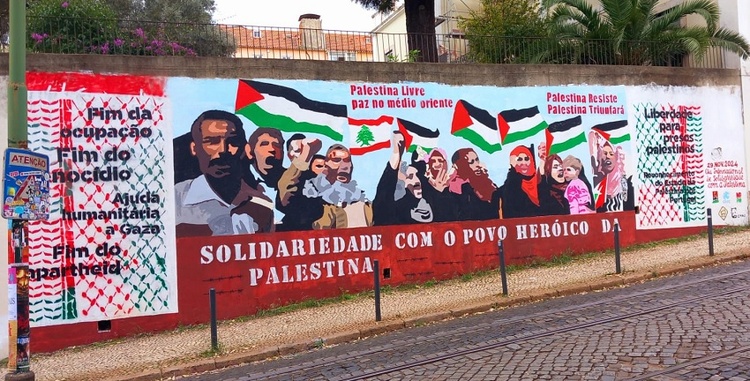
Street art will continue to be a powerful tool for social and political critique. In a world marked by inequalities, environmental crises, and cultural conflicts, urban artists tend to use public space to provoke reflection, denounce injustices, and give voice to marginalized groups.
In this sense, urban art maintains its character of resistance, functioning as an accessible means of direct communication with the population and strengthening debates about citizenship, human rights, and collective identity.
Institutionalization and New Challenges
The recognition of street art by cultural institutions and the market brings benefits, such as greater appreciation of artists and preservation of works. However, this process also generates challenges, such as the risk of losing the challenging and spontaneous character of urban art.
In the future, it will be essential to find a balance between institutionalization and creative freedom, ensuring that street art continues to be an authentic expression of urban daily life.
Sustainability and Occupation of Urban Space
Environmental issues also gain prominence in the future of street art. Many artists already use sustainable materials, eco-friendly paints, and conscious practices to reduce environmental impact. Furthermore, urban art can contribute to the revitalization of abandoned spaces, promoting a more humane and sustainable relationship with the city.
Conclusion
The future of street art will be built upon the interaction between tradition and innovation. By incorporating new technologies without abandoning its social and critical role, urban art will continue to transform cities, stimulating collective thought and reaffirming public space as a territory of creation, diversity, and freedom of expression.
Latamarte
Latest
Article
- January 31, 2026
Artificial Intelligence in Graffiti Art
Publications
- January 31, 2026
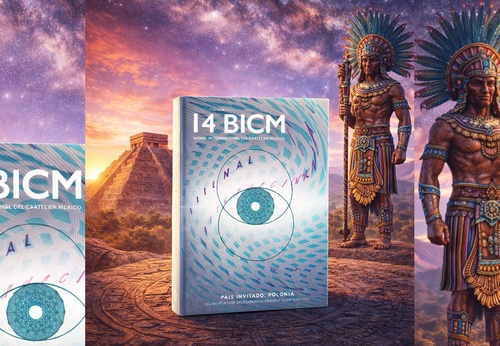
Mexico International Poster Biennial (14 BICM)

Article
- January 31, 2026
The Future of Street Art

Daily Artwork
- January 31, 2026
Look alike
Daily Artwork
- January 31, 2026
Freedom in America
Publications
- January 31, 2026
Peru Antigo by Maria Longhena

Publications
- January 30, 2026
2025 Wildlife Photography Exhibition
Article
- January 28, 2026
Globalization and New Discourses in Contemporary Latin American Art
Article
- January 28, 2026
Contemporary Art in Latin America

- January 31, 2026
Artificial Intelligence in Graffiti Art

- January 31, 2026
The Future of Street Art

- January 28, 2026
Globalization and New Discourses in Con…

- January 28, 2026
Contemporary Art in Latin America

- January 27, 2026
The Evolution of Art: From Classical to…

- January 27, 2026
What are Visual Arts and Why Do They Ma…

- January 26, 2026
First artistic manifestations
- January 26, 2026
Art in the Street: Expression, Identity…

- January 25, 2026
text-to-image generator with ai

- January 25, 2026
The 'uncomfortable' muralist who portra…

- January 24, 2026
Artificial Intelligence as a Tool and C…

- January 24, 2026
Artificial Intelligence in Art

- January 21, 2026
Art of Artificial Intelligence and its …

- January 21, 2026
5 most striking features of modernism

- January 19, 2026
History of painting

- January 19, 2026
Conditions and characteristics of sacre…

- January 08, 2026
The art of caricature in Latin America
- January 07, 2026
Languages, Aesthetics, and Meaning of C…

- January 07, 2026
Street Art as a Form of Social and Cult…

- January 06, 2026
Symbolism and Spirituality in Latin Ame…
- August 29, 2023
The history of Bolivian art

- February 19, 2024
Analysis and meaning of Van Gogh's Star…

- January 28, 2024
Culture and Art in Argentina

- September 25, 2023
What is the importance of art in human …

- September 23, 2023
What is paint?

- August 23, 2023
The 11 types of art and their meanings

- August 10, 2023
14 questions and answers about the art …

- September 23, 2023
Painting characteristics
- August 30, 2023
First artistic manifestations
- January 12, 2024
10 most beautiful statues and sculpture…

- September 23, 2023
History of painting

- March 26, 2024
The importance of technology in art1

- July 13, 2024
The impact of artificial intelligence o…
- March 26, 2024
Cultural identity and its impact on art…
- April 07, 2024
Graffiti in Latin American culture

- April 02, 2024
History visual arts in Brazil
- August 16, 2023
The 15 greatest painters in art history

- April 06, 2024
History of visual arts in Ecuador
- October 18, 2023
History of sculpture
- March 05, 2024
The art of sculpture in Latin America
- February 19, 2024
Analysis and meaning of Van Gogh's Star…

- August 13, 2023
9 Latino painters and their great contr…
- August 23, 2023
The 11 types of art and their meanings
- August 10, 2023
14 questions and answers about the art …

- August 27, 2023
15 main works of Van Gogh
- August 29, 2023
The history of Bolivian art
- January 28, 2024
Culture and Art in Argentina

- November 06, 2023
5 Latin American artists and their works
- September 23, 2023
Painting characteristics
- September 23, 2023
What is paint?
- September 25, 2023
What is the importance of art in human …
- March 26, 2024
Cultural identity and its impact on art…
- August 30, 2023
First artistic manifestations
- December 18, 2023
10 iconic works by Oscar Niemeyer, geni…

- January 20, 2024
What is the relationship between art an…
- January 12, 2024
10 most beautiful statues and sculpture…

- August 24, 2023
The most famous image of Ernesto "Che" …

- October 30, 2023
Characteristics of Contemporary Art

- May 26, 2024
Técnicas de artes visuais

- August 22, 2023
What are Plastic Arts?