The Visual Arts in Mexico: Between Myth, History, and Permanent Revolution
The visual arts in Mexico are a vast and profound river flowing from ancestral civilizations to the most contemporary expressions, constituting a fundamental pillar of national identity. Their history is a constant dialogue, and sometimes a struggle, between indigenous heritage, colonial influence, and the relentless search for a modern and unique voice.
The pre-Hispanic foundations are the first layer of this palimpsest. The majestic cities of Teotihuacan, Monte Alban, and the Mayan and Aztec capitals, with their monumental architecture, murals, stone sculpture (such as the Coatlicue or the Sun Stone), and ceramics, established an aesthetic sensibility deeply linked to religion, the cosmos, and political power. This sensitivity to large-scale visual narrative would resurface centuries later with revolutionary force.
The conquest and the viceregal period imposed the language of European religious art. Churches and convents were filled with Baroque paintings and altarpieces, often executed by Indigenous and mestizo artists who subtly introduced local elements, giving rise to a rich syncretism. Painters like Cristóbal de Villalpando and Miguel Cabrera represent the pinnacle of this New Spanish Baroque.
The 19th century, following Independence, saw the emergence of a costumbrista and academic art that sought to define the symbols of the new nation, though still with a strong attachment to European models. However, the event that would radically transform the course of Mexican art was the Mexican Revolution (1910-1920).
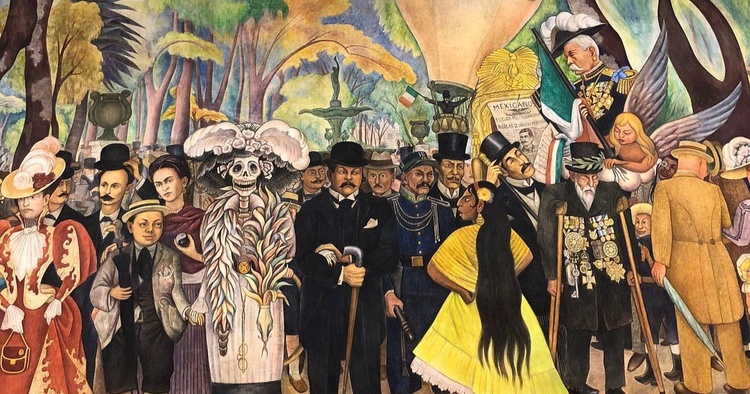
From its ashes was born the most emblematic movement: Muralism. Promoted by the post-revolutionary government to educate a largely illiterate population, artists like Diego Rivera, José Clemente Orozco, and David Alfaro Siqueiros—"the Big Three"—took to the walls of public buildings to narrate a new national epic. Her large-format, realistic yet epic works glorified the indigenous past, denounced oppression, and exalted the class struggle and socialist ideals. Frida Kahlo, though associated with the muralists, forged an intimate and powerful path with her self-portraits, where she captured her physical and emotional pain, exploring themes of identity, gender, and mestizaje (racial and cultural mixing), becoming a global feminist and cultural icon.
In the mid-20th century, while Rufino Tamayo offered a more colorful and universalist response to muralism, the Generación de la Ruptura (Breakaway Generation) emerged. Artists such as José Luis Cuevas, Vicente Rojo, and Manuel Felguérez rebelled against the hegemony of figurative art and its socio-political content, embracing abstraction, informalism, and expressionism, thus opening a dialogue with international movements.
Contemporary Mexican art is a pluralistic and vibrant field. Heir to all these historical layers, it is characterized by an absolute freedom of means and discourse. Artists like Gabriel Orozco transcend categories with their poetics of the ordinary; Francisco Toledo was a tireless defender of Oaxacan culture with an organic and fantastical visual language; Teresa Margolles addresses violence and marginalization with stark realism; and collectives like Semanario Cultural and Paso del Norte explore the boundaries between art, activism, and community. Street art and neo-muralism have reclaimed public space with new aesthetics and social messages.
In conclusion, the visual arts in Mexico are a living organism in constant evolution. Their strength lies in their ability to combine the narrative power of their mural tradition, symbolic introspection, fierce social critique, and the freest experimentation. They are not only a reflection of the country's history but also an active participant in the construction of its present and its imagined future.
Latamarte
Latest

Publications
- January 27, 2026
Aztecs in the Empire City: “The People Without History” in The Met

News

Article
- January 27, 2026
The Evolution of Art: From Classical to Digital

Article
- January 27, 2026
What are Visual Arts and Why Do They Matter Today?

Gallery
- January 27, 2026
Selected Illustration Gallery of Venezuelan Artists

Gallery
- January 27, 2026
Selected Caricature Gallery of Cuban Artists
Publications
- January 26, 2026
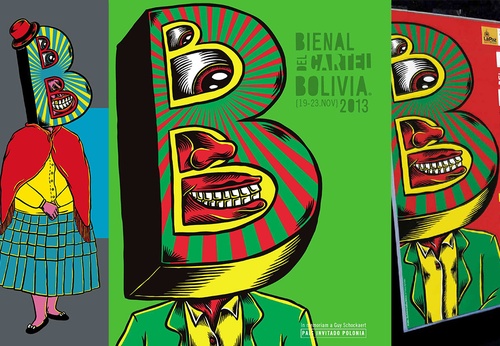
Bolivia Poster Biennial (BICeBé 2013)
Gallery
- January 26, 2026
Selected Gallery of Paintings by Peruvian Artists

Gallery
- January 26, 2026
Selected Gallery of Watercolor Paintings by Peruvian Artists

- January 27, 2026
The Evolution of Art: From Classical to…
- January 27, 2026
What are Visual Arts and Why Do They Ma…

- January 26, 2026
First artistic manifestations
- January 26, 2026
Art in the Street: Expression, Identity…

- January 25, 2026
text-to-image generator with ai

- January 25, 2026
The 'uncomfortable' muralist who portra…

- January 24, 2026
Artificial Intelligence as a Tool and C…

- January 24, 2026
Artificial Intelligence in Art

- January 21, 2026
Art of Artificial Intelligence and its …

- January 21, 2026
5 most striking features of modernism
- January 19, 2026
History of painting
- January 19, 2026
Conditions and characteristics of sacre…

- January 08, 2026
The art of caricature in Latin America
- January 07, 2026
Languages, Aesthetics, and Meaning of C…
- January 07, 2026
Street Art as a Form of Social and Cult…

- January 06, 2026
Symbolism and Spirituality in Latin Ame…
- January 06, 2026
Sacred Art in Latin America: Meeting be…
- January 05, 2026
The Importance of Art in Society
- January 04, 2026
Graphic Art: Much More Than an Image, a…

- January 04, 2026
The Future of NFTs and AI-Generated Art
- August 29, 2023
The history of Bolivian art
- February 19, 2024
Analysis and meaning of Van Gogh's Star…
- January 28, 2024
Culture and Art in Argentina

- September 25, 2023
What is the importance of art in human …

- September 23, 2023
What is paint?

- August 23, 2023
The 11 types of art and their meanings
- August 10, 2023
14 questions and answers about the art …

- September 23, 2023
Painting characteristics
- August 30, 2023
First artistic manifestations
- January 12, 2024
10 most beautiful statues and sculpture…
- September 23, 2023
History of painting

- March 26, 2024
The importance of technology in art1
- July 13, 2024
The impact of artificial intelligence o…
- March 26, 2024
Cultural identity and its impact on art…
- April 07, 2024
Graffiti in Latin American culture

- April 02, 2024
History visual arts in Brazil

- April 06, 2024
History of visual arts in Ecuador
- August 16, 2023
The 15 greatest painters in art history
- October 18, 2023
History of sculpture
- March 05, 2024
The art of sculpture in Latin America
- February 19, 2024
Analysis and meaning of Van Gogh's Star…

- August 13, 2023
9 Latino painters and their great contr…
- August 23, 2023
The 11 types of art and their meanings
- August 10, 2023
14 questions and answers about the art …
- August 27, 2023
15 main works of Van Gogh
- August 29, 2023
The history of Bolivian art
- January 28, 2024
Culture and Art in Argentina
- November 06, 2023
5 Latin American artists and their works
- September 23, 2023
Painting characteristics
- September 23, 2023
What is paint?
- September 25, 2023
What is the importance of art in human …
- March 26, 2024
Cultural identity and its impact on art…
- August 30, 2023
First artistic manifestations
- December 18, 2023
10 iconic works by Oscar Niemeyer, geni…
- January 20, 2024
What is the relationship between art an…
- January 12, 2024
10 most beautiful statues and sculpture…

- August 24, 2023
The most famous image of Ernesto "Che" …

- October 30, 2023
Characteristics of Contemporary Art
- May 26, 2024
Técnicas de artes visuais
- August 22, 2023
What are Plastic Arts?