Art in the Street: Expression, Identity, and Transformation of Urban Space
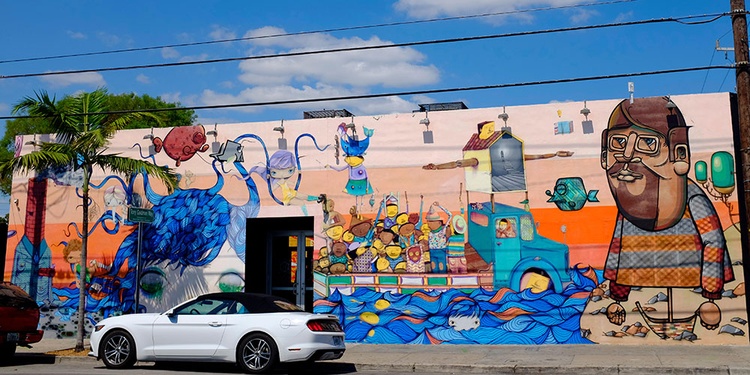
Street art, also known as urban art or street art, is a form of artistic expression that occupies public spaces in cities, such as walls, facades, sidewalks, and squares. Present in large metropolises and small cities, this art form transforms urban daily life, provokes social reflection, and gives voice to different groups and cultures.
Origins and Characteristics of Urban Art
Street art has its roots in social and cultural protest movements, especially from the second half of the 20th century. Initially associated with graffiti and tagging, it has evolved into a diverse artistic language that includes murals, stencils, collages, urban interventions, and performances.
One of the main characteristics of urban art is free access: anyone can see, interact with, and interpret the work without needing to enter museums or galleries. Furthermore, many of these manifestations are ephemeral, and can be erased by time, by the action of public authorities, or by new artistic interventions. Art, Identity, and Belonging
Street art is deeply connected to the identity of the territories where it emerges. Many works engage with local history, social, political, and cultural issues, reflecting the experiences of the community. By occupying urban space, the artist claims visibility and belonging, transforming the city into a space for dialogue and collective expression.
For marginalized groups, urban art functions as a means of resistance and cultural affirmation, allowing them to denounce inequalities, prejudices, and social injustices.
Impacts on Urban Space
The presence of street art modifies the landscape of cities and the way people relate to the urban environment. Murals and artistic interventions can revitalize degraded areas, stimulate cultural tourism, and strengthen the feeling of local identity.
At the same time, urban art also generates debates about legality, heritage preservation, and the boundaries between art and vandalism. These discussions reveal tensions between freedom of expression and institutional norms.
The Relationship with the Market and Institutions
In recent years, street art has gained institutional recognition, being incorporated into galleries, museums, and cultural events. Urban artists have begun exhibiting in formal spaces and selling their works, which generates debates about the loss of the challenging character of street art.
Despite this, many artists maintain the street as their main space for action, precisely because of its democratic and accessible nature.
The Future of Street Art
With the advancement of digital technologies and social networks, urban art gains new forms of dissemination and global reach. Photographs of murals and interventions circulate rapidly on the internet, expanding the impact of these works beyond the physical space.
In the future, street art tends to continue evolving, incorporating new languages and technologies, without losing its essence: occupying public space as a place of expression, questioning, and social transformation.
Conclusion
Street art is a living and dynamic manifestation that reflects the multiple voices of the city. By transforming urban spaces into open canvases, it brings art closer to people, stimulates critical thinking, and reaffirms the right to the city as a space for creation and cultural diversity.
Latamarte
Latest

Article
- January 27, 2026
The Evolution of Art: From Classical to Digital

Article
- January 27, 2026
What are Visual Arts and Why Do They Matter Today?

Gallery
- January 27, 2026
Selected Illustration Gallery of Venezuelan Artists

Gallery
- January 27, 2026
Selected Caricature Gallery of Cuban Artists
Publications
- January 26, 2026
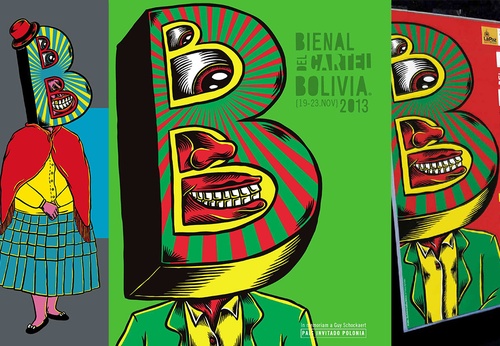
Bolivia Poster Biennial (BICeBé 2013)
Gallery
- January 26, 2026
Selected Gallery of Paintings by Peruvian Artists

Gallery
- January 26, 2026
Selected Gallery of Watercolor Paintings by Peruvian Artists

Article
- January 26, 2026
First artistic manifestations

Article

- January 27, 2026
The Evolution of Art: From Classical to…
- January 27, 2026
What are Visual Arts and Why Do They Ma…

- January 26, 2026
First artistic manifestations
- January 26, 2026
Art in the Street: Expression, Identity…

- January 25, 2026
text-to-image generator with ai

- January 25, 2026
The 'uncomfortable' muralist who portra…

- January 24, 2026
Artificial Intelligence as a Tool and C…

- January 24, 2026
Artificial Intelligence in Art

- January 21, 2026
Art of Artificial Intelligence and its …

- January 21, 2026
5 most striking features of modernism

- January 19, 2026
History of painting

- January 19, 2026
Conditions and characteristics of sacre…

- January 08, 2026
The art of caricature in Latin America
- January 07, 2026
Languages, Aesthetics, and Meaning of C…
- January 07, 2026
Street Art as a Form of Social and Cult…

- January 06, 2026
Symbolism and Spirituality in Latin Ame…

- January 06, 2026
Sacred Art in Latin America: Meeting be…
- January 05, 2026
The Importance of Art in Society
- January 04, 2026
Graphic Art: Much More Than an Image, a…

- January 04, 2026
The Future of NFTs and AI-Generated Art
- August 29, 2023
The history of Bolivian art

- February 19, 2024
Analysis and meaning of Van Gogh's Star…
- January 28, 2024
Culture and Art in Argentina

- September 25, 2023
What is the importance of art in human …

- September 23, 2023
What is paint?

- August 23, 2023
The 11 types of art and their meanings
- August 10, 2023
14 questions and answers about the art …

- September 23, 2023
Painting characteristics
- August 30, 2023
First artistic manifestations
- January 12, 2024
10 most beautiful statues and sculpture…

- September 23, 2023
History of painting

- March 26, 2024
The importance of technology in art1

- July 13, 2024
The impact of artificial intelligence o…
- March 26, 2024
Cultural identity and its impact on art…
- April 07, 2024
Graffiti in Latin American culture

- April 02, 2024
History visual arts in Brazil

- April 06, 2024
History of visual arts in Ecuador
- August 16, 2023
The 15 greatest painters in art history
- October 18, 2023
History of sculpture
- March 05, 2024
The art of sculpture in Latin America
- February 19, 2024
Analysis and meaning of Van Gogh's Star…

- August 13, 2023
9 Latino painters and their great contr…
- August 23, 2023
The 11 types of art and their meanings
- August 10, 2023
14 questions and answers about the art …
- August 27, 2023
15 main works of Van Gogh
- August 29, 2023
The history of Bolivian art
- January 28, 2024
Culture and Art in Argentina

- November 06, 2023
5 Latin American artists and their works
- September 23, 2023
Painting characteristics
- September 23, 2023
What is paint?
- September 25, 2023
What is the importance of art in human …
- March 26, 2024
Cultural identity and its impact on art…
- August 30, 2023
First artistic manifestations
- December 18, 2023
10 iconic works by Oscar Niemeyer, geni…
- January 20, 2024
What is the relationship between art an…
- January 12, 2024
10 most beautiful statues and sculpture…

- August 24, 2023
The most famous image of Ernesto "Che" …

- October 30, 2023
Characteristics of Contemporary Art
- May 26, 2024
Técnicas de artes visuais
- August 22, 2023
What are Plastic Arts?