Art as Human Expression and Universal Language
Art has accompanied humanity since its beginnings, being one of the most profound forms of expression of thought, emotions, and the human worldview. From cave paintings to contemporary digital installations, art reflects the historical, social, and cultural context of each era, functioning as a mirror of society.
More than aesthetics, art is communication. Through colors, shapes, sounds, words, and movements, artists transmit ideas, question realities, and provoke reflection. It can denounce injustices, preserve memories, celebrate identities, or simply awaken sensations. Therefore, art does not have a single meaning: each observer constructs their own interpretation.
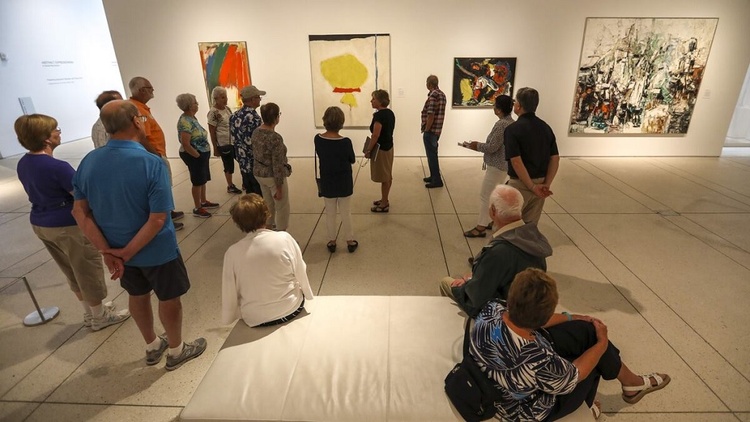
Art also plays an essential role in cultural and educational development. It stimulates creativity, critical thinking, and sensitivity, contributing to individual and collective growth. In museums, streets, stages, or digital platforms, art brings people and cultures closer together, overcoming linguistic and geographical barriers.
In contemporary society, art increasingly engages with technology and global issues such as sustainability, diversity, and inclusion. By constantly reinventing itself, it maintains its relevance and reaffirms its role as a transformative force.
Thus, art is not merely a cultural product, but a human necessity. It helps us understand the world and ourselves, making the experience of living richer, more critical, and more sensitive.
Latamarte
Latest
Gallery
- February 07, 2026
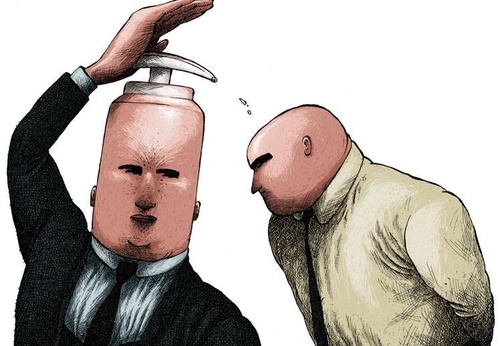
Gallery Of Selection Cartoons Of Cuban Artist
Daily Artwork
- February 07, 2026
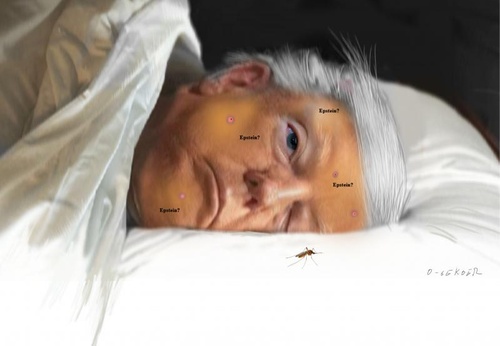
Epstein

Daily Artwork
- February 07, 2026
The Washington Post-Mortem The Washinton Post is dead.
Article
- February 07, 2026
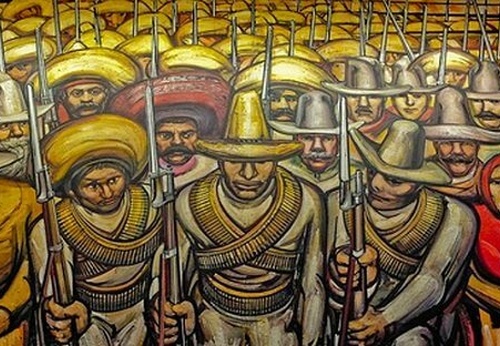
Muralism in Latin America: The Pictorial Cry of the People
Article
- February 07, 2026
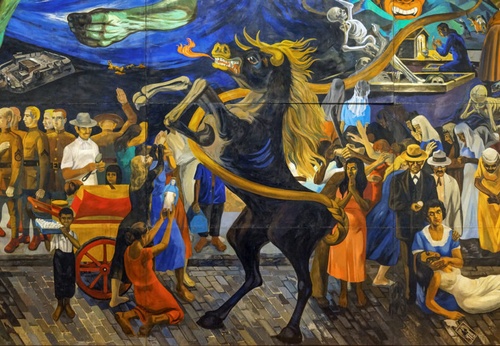
Painting in Latin America: A Journey of Identity and Expression
Gallery
- February 07, 2026
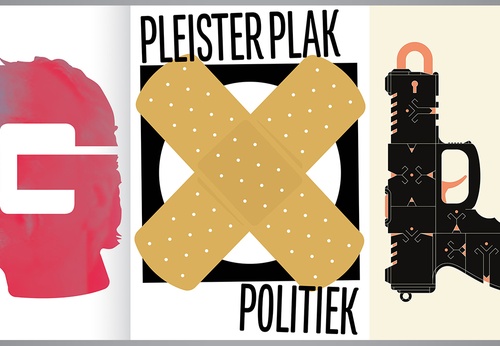
Gallery of Typographic Posters by Jarr Geerligs – Netherlands
Publications
- February 06, 2026
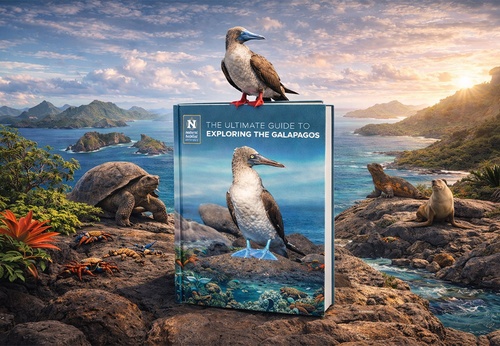
The Ultimate Guide to Exploring the Galapagos
Gallery
- February 05, 2026
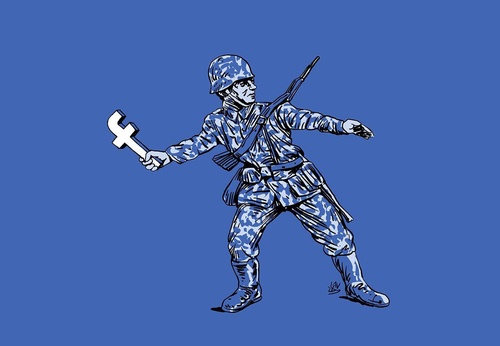
Gallery of Cartoon by Cuban Cartoonists
Publications
- February 05, 2026
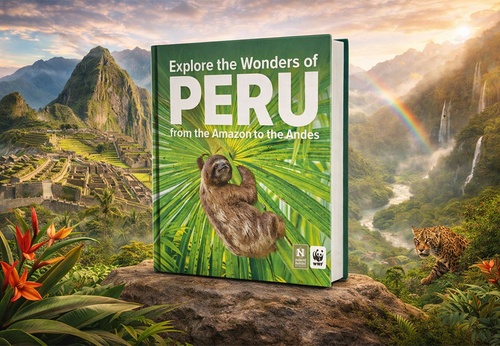
Explore the Wonders of PERU from the Amazon to the Andes
- February 07, 2026
Muralism in Latin America: The Pictoria…
- February 07, 2026
Painting in Latin America: A Journey of…

- February 03, 2026
Artificial Intelligence and the Reconfi…
- February 02, 2026
10 most expensive Latin American painti…

- February 02, 2026
Importance of visual arts at School

- February 01, 2026
Impressionism and the Revolution of Lig…

- February 01, 2026
The Importance of Urban Art in the Iden…

- January 31, 2026
Artificial Intelligence in Graffiti Art

- January 31, 2026
The Future of Street Art
- January 28, 2026
Globalization and New Discourses in Con…
- January 28, 2026
Contemporary Art in Latin America

- January 27, 2026
The Evolution of Art: From Classical to…
- January 27, 2026
What are Visual Arts and Why Do They Ma…

- January 26, 2026
First artistic manifestations
- January 26, 2026
Art in the Street: Expression, Identity…

- January 25, 2026
text-to-image generator with ai

- January 25, 2026
The 'uncomfortable' muralist who portra…

- January 24, 2026
Artificial Intelligence as a Tool and C…

- January 24, 2026
Artificial Intelligence in Art
- January 21, 2026
Art of Artificial Intelligence and its …
- August 29, 2023
The history of Bolivian art
- February 19, 2024
Analysis and meaning of Van Gogh's Star…
- January 28, 2024
Culture and Art in Argentina

- September 25, 2023
What is the importance of art in human …

- September 23, 2023
What is paint?

- August 23, 2023
The 11 types of art and their meanings
- August 10, 2023
14 questions and answers about the art …

- September 23, 2023
Painting characteristics
- August 30, 2023
First artistic manifestations
- January 12, 2024
10 most beautiful statues and sculpture…
- September 23, 2023
History of painting
- March 26, 2024
The importance of technology in art1

- July 13, 2024
The impact of artificial intelligence o…
- March 26, 2024
Cultural identity and its impact on art…
- April 07, 2024
Graffiti in Latin American culture

- April 06, 2024
History of visual arts in Ecuador
- August 16, 2023
The 15 greatest painters in art history

- April 02, 2024
History visual arts in Brazil
- October 18, 2023
History of sculpture

- December 20, 2024
What is art? Definition, concept and ar…
- February 19, 2024
Analysis and meaning of Van Gogh's Star…

- August 13, 2023
9 Latino painters and their great contr…
- August 23, 2023
The 11 types of art and their meanings
- August 10, 2023
14 questions and answers about the art …
- August 27, 2023
15 main works of Van Gogh
- August 29, 2023
The history of Bolivian art
- January 28, 2024
Culture and Art in Argentina

- November 06, 2023
5 Latin American artists and their works
- September 23, 2023
Painting characteristics
- September 23, 2023
What is paint?
- September 25, 2023
What is the importance of art in human …
- March 26, 2024
Cultural identity and its impact on art…
- August 30, 2023
First artistic manifestations
- December 18, 2023
10 iconic works by Oscar Niemeyer, geni…
- January 20, 2024
What is the relationship between art an…
- January 12, 2024
10 most beautiful statues and sculpture…

- August 24, 2023
The most famous image of Ernesto "Che" …

- October 30, 2023
Characteristics of Contemporary Art
- May 26, 2024
Técnicas de artes visuais
- August 22, 2023
What are Plastic Arts?