Latin American Art and the Palestinian Cause
Latin American Art and the Palestinian Cause: Paintings that Weave Solidarity
Introduction: A Bridge of Struggle and Resistance
Latin America's solidarity with the Palestinian cause has deep roots, forged in historical parallels of colonialism, the struggle for self-determination, and popular resistance. This connection has been vibrantly expressed through the visual arts, where numerous Latin American artists have used canvas, murals, and printmaking to build a bridge of understanding and support. This article explores the main characteristics of this pictorial production.
Central Themes in the Oil Paintings and Murals
The works are structured around several powerful narrative axes:
• The Portrait of Resilience: Many paintings focus on the dignity and strength of the Palestinian people, especially their women and children. Scenes of daily life under occupation are depicted, often with a poignant realism that seeks to humanize a conflict frequently dehumanized by the media.
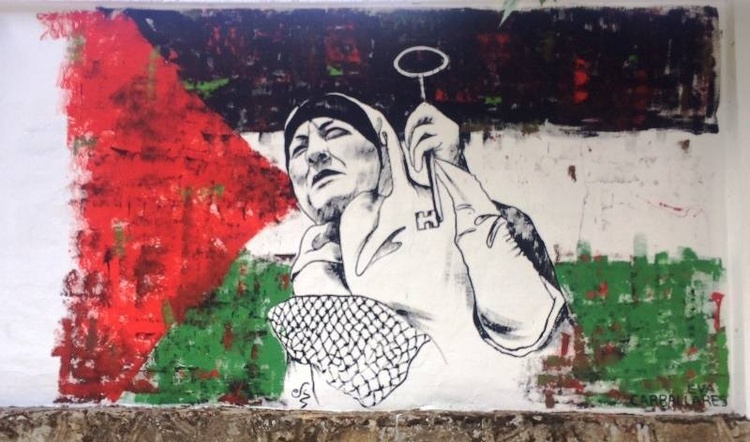
• The Universal Symbol: The Olive Tree and the Key: Palestinian iconography merges with Latin American symbols. The olive tree (a symbol of peace and connection to the land) and the key (representing the right of return) are recurring elements. Sometimes they are intertwined with pre-Columbian symbols or images of local resistance movements, creating a narrative of shared struggle.
• Denunciation and Documentation: Painting serves as testimony. Artists have visually documented critical events, such as the construction of the separation wall, the bombing of Gaza, or the destruction of homes, using styles ranging from neo-expressionism to social realism.
• Utopia and Memory: Alongside denunciation, there is a movement that paints historical Palestine, its landscapes, and its culture, acting as a visual archive of memory. Others imagine a future of freedom, using vibrant colors and dreamlike compositions.
Featured Artists and Movements
• Public Muralism: Following the powerful Mexican muralist tradition (of Siqueiros, Rivera), artists in Chile, Mexico, and Colombia have painted enormous murals in university spaces and working-class neighborhoods with slogans such as "Palestine Resists!" or "Freedom for Gaza," making solidarity visible to the public.
• Easel Painting and Printmaking: Artists such as the Palestinian-Chilean Karina Aguilera Skvirsky or the Brazilian activist Cármen Dionísio (through her project "Ponto de Fuga") explore fragmented identity, displacement, and geopolitics using mixed media. In Argentina, the collective "Estación 40" has created print series and site-specific exhibitions.
• Indigenous Art and Palestine: Powerful connections have been established between Indigenous movements in Latin America (such as the Mapuche in Chile or the Zapatistas in Mexico) and the Palestinian struggle. Some Indigenous artists incorporate symbolism from both resistance movements, highlighting the shared struggle for land and sovereignty.
Conclusion: More Than Painting, a Political Practice
Latin American painting about Palestine transcends the merely aesthetic. It is a political practice of internationalist solidarity that:
1. Educates and raises awareness in Latin American societies, often geographically distant from the conflict.
2. Creates a collective emotional archive that challenges oblivion and the dominant narrative.
3. Reinforces the idea that liberation is an interconnected struggle, where justice for one people is a step toward justice for all.
In a media-saturated world, these paintings and murals offer a space for thoughtful and profound reflection, reminding us that the Palestinian struggle is also fought, and won, on the symbolic and cultural terrain of our sister Latin America. Latamarte
.
Latest
Article
- February 09, 2026
Latin American Art and the Palestinian Cause

Gallery
- February 08, 2026
Gallery of Illustration by Léo Vargas – Brazil
Publications
- February 08, 2026
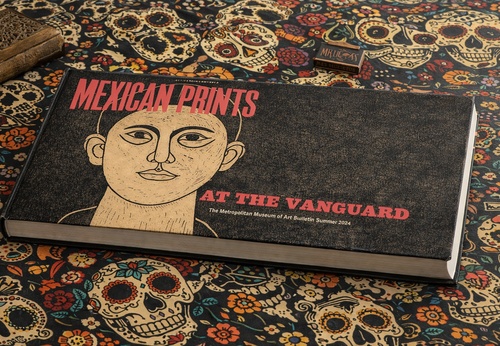
Book of Mexican Prints at the Vanguard
Article
- February 08, 2026
Indigenous Artistic Expressions of Latin America 2
Article
- February 08, 2026
Indigenous Artistic Expressions of Latin America1

News
- February 08, 2026
A Bridge Between Latin American Art and Diplomacy
Daily Artwork
- February 08, 2026
earthquake
Daily Artwork
- February 08, 2026
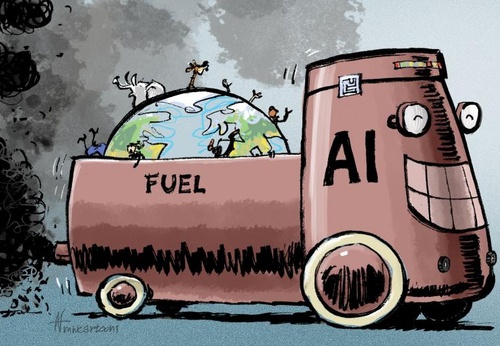
The costs of Artificial Intelligence
Publications
- February 08, 2026
Artists and Illustrators – March 2023 by Artists and Illustrators
- February 09, 2026
Latin American Art and the Palestinian …

- February 08, 2026
Indigenous Artistic Expressions of Lati…
- February 08, 2026
Indigenous Artistic Expressions of Lati…
- February 07, 2026
Muralism in Latin America: The Pictoria…
- February 07, 2026
Painting in Latin America: A Journey of…

- February 03, 2026
Artificial Intelligence and the Reconfi…
- February 02, 2026
10 most expensive Latin American painti…

- February 02, 2026
Importance of visual arts at School

- February 01, 2026
Impressionism and the Revolution of Lig…
- February 01, 2026
The Importance of Urban Art in the Iden…

- January 31, 2026
Artificial Intelligence in Graffiti Art
- January 31, 2026
The Future of Street Art
- January 28, 2026
Globalization and New Discourses in Con…
- January 28, 2026
Contemporary Art in Latin America

- January 27, 2026
The Evolution of Art: From Classical to…
- January 27, 2026
What are Visual Arts and Why Do They Ma…

- January 26, 2026
First artistic manifestations
- January 26, 2026
Art in the Street: Expression, Identity…

- January 25, 2026
text-to-image generator with ai

- January 25, 2026
The 'uncomfortable' muralist who portra…
- August 29, 2023
The history of Bolivian art

- February 19, 2024
Analysis and meaning of Van Gogh's Star…
- January 28, 2024
Culture and Art in Argentina

- September 25, 2023
What is the importance of art in human …

- September 23, 2023
What is paint?

- August 23, 2023
The 11 types of art and their meanings
- August 10, 2023
14 questions and answers about the art …

- September 23, 2023
Painting characteristics
- August 30, 2023
First artistic manifestations
- January 12, 2024
10 most beautiful statues and sculpture…
- September 23, 2023
History of painting

- March 26, 2024
The importance of technology in art1

- July 13, 2024
The impact of artificial intelligence o…
- March 26, 2024
Cultural identity and its impact on art…
- April 07, 2024
Graffiti in Latin American culture
- April 06, 2024
History of visual arts in Ecuador
- August 16, 2023
The 15 greatest painters in art history

- April 02, 2024
History visual arts in Brazil
- October 18, 2023
History of sculpture

- August 24, 2023
The most famous image of Ernesto "Che" …
- February 19, 2024
Analysis and meaning of Van Gogh's Star…

- August 13, 2023
9 Latino painters and their great contr…
- August 23, 2023
The 11 types of art and their meanings
- August 10, 2023
14 questions and answers about the art …
- August 27, 2023
15 main works of Van Gogh
- August 29, 2023
The history of Bolivian art
- January 28, 2024
Culture and Art in Argentina
- November 06, 2023
5 Latin American artists and their works
- September 23, 2023
Painting characteristics
- September 23, 2023
What is paint?
- September 25, 2023
What is the importance of art in human …
- March 26, 2024
Cultural identity and its impact on art…
- August 30, 2023
First artistic manifestations
- December 18, 2023
10 iconic works by Oscar Niemeyer, geni…
- January 20, 2024
What is the relationship between art an…
- January 12, 2024
10 most beautiful statues and sculpture…
- August 24, 2023
The most famous image of Ernesto "Che" …

- October 30, 2023
Characteristics of Contemporary Art
- May 26, 2024
Técnicas de artes visuais

- August 22, 2023
What are Plastic Arts?