Urban Art in Latin America
Urban Art in Latin America: Voice, Color, and Resistance in the City Landscape
Introduction: More Than Graffiti, a Public Language
Urban art in Latin America is much more than an imported aesthetic trend; it is a deeply rooted social force, a critical visual language that has transformed gray walls into powerful collective narratives. Born from the confluence of political muralism traditions, hip-hop culture, and street ingenuity, this democratic and accessible art has become a social barometer and an agent of change in the region's urban dynamics.
Roots and Evolution: From Muralism to Stencils
Latin American urban art cannot be understood without its debt to the historical muralism of Diego Rivera, David Alfaro Siqueiros, and José Clemente Orozco. From them, it inherits the ambition to bring art to the people, to educate and mobilize through monumental images in public spaces. However, at the end of the 20th century, this legacy merged with the energy of graffiti and global street art, adopting techniques such as stenciling, posters, and sticker art, gaining in immediacy and spontaneity. This fusion generated a hybrid language, unique and deeply contextual.
Defining Characteristics: Latin American Identity on the Wall
1. Social and Political Narrative: This is its most distinctive feature. The walls speak of social struggles, historical memory, inequality, and human rights. From the enormous murals that pay homage to victims of forced disappearances in Mexico or Colombia, to the stencils that criticize corruption in Brazil or Argentina, urban art is a means of denunciation and resistance.
2. Cultural and Identity Reclaiming: It frequently incorporates indigenous iconography, pre-Hispanic symbols, portraits of popular leaders, and references to local culture and music. It is a tool for affirming identity in the face of global homogenization and for celebrating the ethnic and cultural diversity of the region.
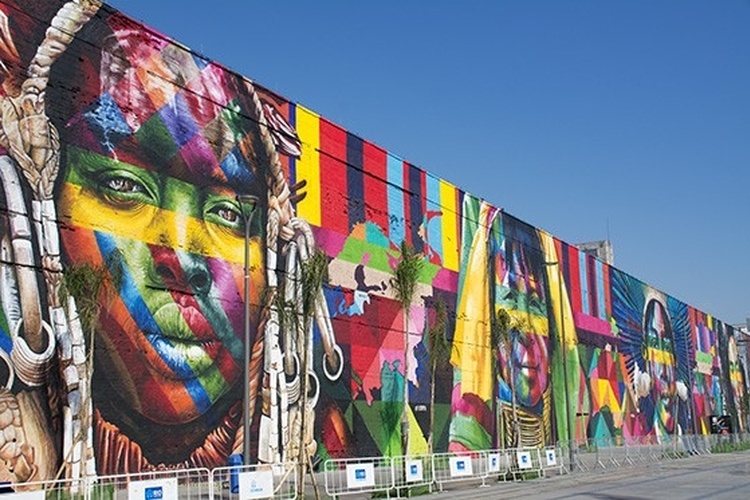
3. Transformation and Appropriation of Space: It intervenes in marginalized neighborhoods and degraded spaces, seeking to regenerate them symbolically and socially. Projects such as the painted favelas of Rio de Janeiro (with the iconic work of artists like Kobra) or the transformed communes of Medellín demonstrate how color and community creation can generate neighborhood pride and reduce stigmatization.
4. Technical and Stylistic Diversity: Monumental hyperrealism (like that of the Argentinian Martín Ron or the Mexican Said Dokins), typographic and lettering playfulness of graffiti, the precision of stenciling (a pioneer in protest, as seen in the works of the Argentinian collective Run Don't Run or the Chilean Caiozzama), and playful or surrealist interventions all coexist.
Challenges and Paradoxes: Between Censorship and Institutionalization
Urban art exists in a constant state of tension:
• Legality and Censorship: Although it has gained legitimacy, many artists continue to operate illegally, facing criminalization or outright censorship when their works challenge the established power structure.
• Commercialization and Gentrification: Its success has made it attractive to brands and real estate developers. The risk is that it will be instrumentalized to "beautify" areas undergoing gentrification, emptying it of its critical content and displacing the communities that created it.
• Dialogue with Institutions: Museums and governments have begun to commission and promote legal murals, generating a debate about whether this institutionalization strengthens or domesticates the transgressive essence of street art.
Conclusion: An Open-Air Museum
Latin American urban art is the visual pulse of its cities. It is an art of urgency and beauty, documenting discontent, celebrating resilience, and imagining possible futures. It functions as an unmediated form of mass communication, where citizens reclaim their right to the city and to expression. In a continent marked by profound contradictions, walls remain the most vibrant and honest pages of a collective diary in constant writing, reminding us that public space is, above all, a space for debate, memory, and shared creativity.
Latamarte
Latest
Gallery
- February 05, 2026
Gallery of Cartoon by Cuban Cartoonists
Publications
- February 05, 2026
Explore the Wonders of PERU from the Amazon to the Andes

Publications
- February 04, 2026
Brazil's Pantanal: South America's Grandest Wildlife Realm
Daily Artwork
- February 03, 2026
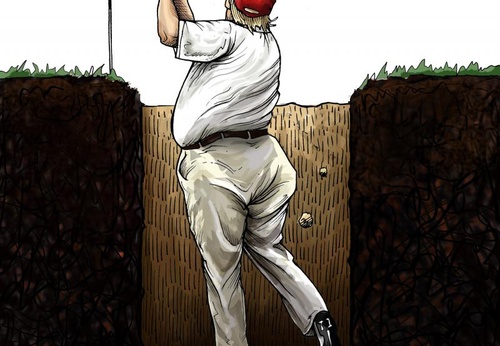
A hole in one

Article
- February 03, 2026
Artificial Intelligence and the Reconfiguration of Matter
Gallery
- February 03, 2026
Gallery of Graphic Design & Branding Works by Andrei J Castanha – Brazil

Publications
- February 03, 2026
The Ultimate Guide to Nature Photo Expeditions
Daily Artwork
- February 02, 2026
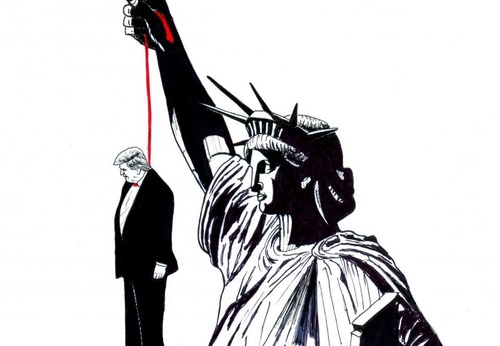
Liberty
Daily Artwork
- February 02, 2026
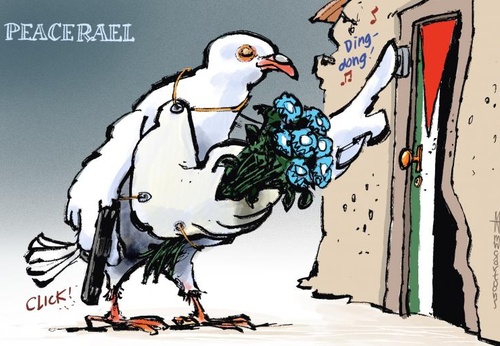
Peacerael Nothing changed. The killing goes on.

- February 03, 2026
Artificial Intelligence and the Reconfi…
- February 02, 2026
10 most expensive Latin American painti…

- February 02, 2026
Importance of visual arts at School

- February 01, 2026
Impressionism and the Revolution of Lig…
- February 01, 2026
The Importance of Urban Art in the Iden…
- January 31, 2026
Artificial Intelligence in Graffiti Art
- January 31, 2026
The Future of Street Art

- January 28, 2026
Globalization and New Discourses in Con…
- January 28, 2026
Contemporary Art in Latin America

- January 27, 2026
The Evolution of Art: From Classical to…
- January 27, 2026
What are Visual Arts and Why Do They Ma…

- January 26, 2026
First artistic manifestations
- January 26, 2026
Art in the Street: Expression, Identity…

- January 25, 2026
text-to-image generator with ai

- January 25, 2026
The 'uncomfortable' muralist who portra…

- January 24, 2026
Artificial Intelligence as a Tool and C…

- January 24, 2026
Artificial Intelligence in Art

- January 21, 2026
Art of Artificial Intelligence and its …
- January 21, 2026
5 most striking features of modernism
- January 19, 2026
History of painting
- August 29, 2023
The history of Bolivian art
- February 19, 2024
Analysis and meaning of Van Gogh's Star…
- January 28, 2024
Culture and Art in Argentina

- September 25, 2023
What is the importance of art in human …

- September 23, 2023
What is paint?

- August 23, 2023
The 11 types of art and their meanings
- August 10, 2023
14 questions and answers about the art …

- September 23, 2023
Painting characteristics
- August 30, 2023
First artistic manifestations
- January 12, 2024
10 most beautiful statues and sculpture…
- September 23, 2023
History of painting

- March 26, 2024
The importance of technology in art1

- July 13, 2024
The impact of artificial intelligence o…
- March 26, 2024
Cultural identity and its impact on art…
- April 07, 2024
Graffiti in Latin American culture
- April 06, 2024
History of visual arts in Ecuador
- August 16, 2023
The 15 greatest painters in art history

- April 02, 2024
History visual arts in Brazil
- October 18, 2023
History of sculpture

- January 31, 2024
Examples of Street Art – Urban Art
- February 19, 2024
Analysis and meaning of Van Gogh's Star…

- August 13, 2023
9 Latino painters and their great contr…
- August 23, 2023
The 11 types of art and their meanings
- August 10, 2023
14 questions and answers about the art …
- August 27, 2023
15 main works of Van Gogh
- August 29, 2023
The history of Bolivian art
- January 28, 2024
Culture and Art in Argentina

- November 06, 2023
5 Latin American artists and their works
- September 23, 2023
Painting characteristics
- September 23, 2023
What is paint?
- September 25, 2023
What is the importance of art in human …
- March 26, 2024
Cultural identity and its impact on art…
- August 30, 2023
First artistic manifestations
- December 18, 2023
10 iconic works by Oscar Niemeyer, geni…
- January 20, 2024
What is the relationship between art an…
- January 12, 2024
10 most beautiful statues and sculpture…

- August 24, 2023
The most famous image of Ernesto "Che" …
- October 30, 2023
Characteristics of Contemporary Art
- May 26, 2024
Técnicas de artes visuais
- August 22, 2023
What are Plastic Arts?