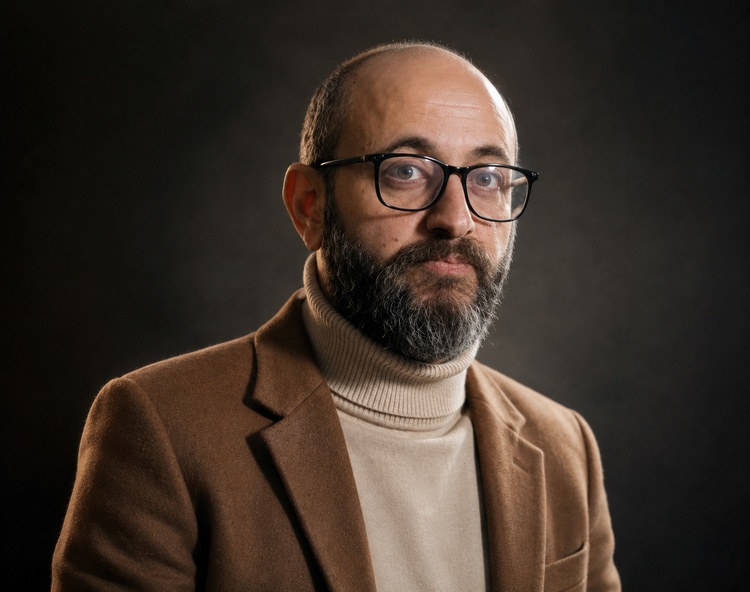
Interview with Yemeni Cartoonist Kamal Sharaf
LATAMARTE: How did you enter the world of cartooning?
Kamal Sharaf: I was a quiet child, and drawing became my way of expressing my feelings and dreams. A major turning point came when I found a book of works by the Palestinian cartoonist Naji al-Ali in a second-hand book market in Sana'a. I realized that drawing could carry a message, defend an ideal and express a position. From that moment, cartooning became my language.
LATAMARTE: Why is cartooning so closely connected to your personality and beliefs?
Kamal Sharaf: Cartooning is very close to who I am. I chose it not simply as a profession or a means of gaining fame, but as an art connected to my inner self, personality and beliefs. A simple image can communicate across languages and cultures. That is why I consider cartooning a universal language.
LATAMARTE: Why do you focus mainly on political and social cartooning?
Kamal Sharaf: I believe in certain causes and want to speak about them with people. Cartooning can have artistic, cultural and philosophical value and can become a tool for defending truth. For me, it is not merely a visual joke or a way to make money.
LATAMARTE: Why do you think cartooning has become more important today?
Kamal Sharaf: Many believed that cartooning was an old art that would disappear. Instead, technology and today's visual culture have made it even more relevant. We live in an age of short images and rapid communication. Cartooning can transmit a deep idea through simple lines, quickly and clearly, while the internet allows these works to reach audiences around the world.
LATAMARTE: How long does it take to create a cartoon?
Kamal Sharaf: The idea is the most difficult and time-consuming part. Sometimes I spend three or four hours finding an idea that is both simple and deep. I deliberately keep the execution simple and fast. During war, you cannot spend hours focusing only on visual beauty. I call this approach “professional simplicity”: the work should be simple, professional and capable of communicating its message quickly.
LATAMARTE: Do you draw every day?
Kamal Sharaf: I work almost every day, except in special circumstances, such as traveling, when I cannot draw continuously.
LATAMARTE: Has digital technology helped your work?
Kamal Sharaf: Very much. I now use a graphics tablet and Photoshop. Technology has not eliminated the artist's hand. The artist still draws, but digital tools reduce production time and make it possible to work more quickly.
LATAMARTE: When you look at your older works, do you still see yourself in them?
Kamal Sharaf: Not every work remains connected to the artist in the same way. Some works may simply belong to a particular period and later no longer reflect one's inner self. Once I understood that honesty must exist in both my thinking and my work, I began creating art that truly reflects my beliefs. If I can look at a work years later and still feel connected to it, then I know it has remained alive.
LATAMARTE: You once wanted fame. What do you think about fame today?
Kamal Sharaf: At first, like many artists, I wanted to become famous. Later I realized that fame can be an illusion. Pressure and attacks against me caused me to stop working for a period. Then I asked myself again: Why do you draw? The answer was to express what is inside me. From then on, honesty and a genuine connection with my beliefs became more important than fame.
LATAMARTE: Are cartoonists exposed to pressure and surveillance?
Kamal Sharaf: Certainly. Israeli media have repeatedly reported on my work. Cartooning can function as political analysis, a newspaper article and even visual documentation. That is why media and political forces take it seriously. The history of cartooning also shows that artists such as Naji al-Ali faced severe pressure because of their work.
LATAMARTE: Can such threats stop an artist from continuing?
Kamal Sharaf: If an artist genuinely believes in a strong and honest cause, threats should not change his path. They can even be a sign that his work has had an impact. But if an artist works mainly for fame, income or acceptance by foreign media, pressure can influence him. An artist must know his own path.
LATAMARTE: Are there hidden dynamics behind the world of cartooning?
Kamal Sharaf: Yes. Some cartoonists adapt their work to dominant political positions or the prevailing international media environment, and as a result gain more income and opportunities. I believe, however, that an artist should preserve his intellectual independence.
LATAMARTE: Should an artist always sign his work?
Kamal Sharaf: For me, yes. I am proud of the works I create and want my signature on them. Even my drawing style and choice of colors are part of my artistic identity. I do not want to hide my work or abandon my identity simply to satisfy everyone.
LATAMARTE: Why do you continue producing political and social cartoons?
Kamal Sharaf: Because I want to express what I believe in. It is not important to me that every work becomes famous. What matters is that the work is honest and records something of the reality of our time. Free people exist everywhere, and they can recognize sincere and authentic art.
LATAMARTE: What is the most important responsibility of a cartoonist?
Kamal Sharaf: I believe the artist's most important responsibility is honesty. An artist must know why he creates and should not sacrifice his entire artistic path for fame, money or the approval of others. Cartooning can be a simple language for expressing deep ideas and recording the truth of its time.
Kamal Sharaf
By LatAm ARTE
Kamal Sharaf, a renowned Yemeni cartoonist, is one of the most prominent artists of the cultural front of the resistance. Born ...
Latest
Article
- October 05, 2026
Urban Art in Latin America: Walls That Tell Stories
Gallery
- October 05, 2026
Gallery Of Cartoon By Sinan KILIC - Türkiye
Daily Artwork
Article
- October 04, 2026
Argentina: Kinetic Art and Spectator Participation
Daily Artwork
- October 04, 2026
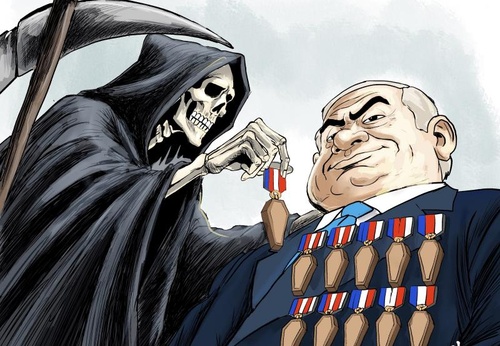
Post mortem

Daily Artwork
- October 04, 2026
SOLD
News
- October 04, 2026
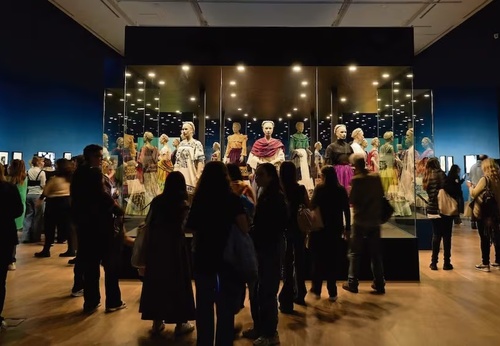
MALBA in Buenos Aires Celebrates 25 Years with Frida Kahlo
Publications
Daily Artwork
- October 03, 2026
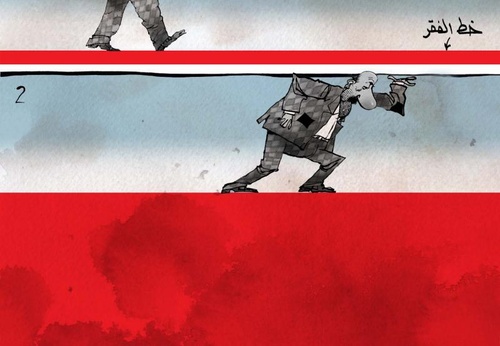
poverty line
- August 26, 2026
Interview with the Palestinian Artist W…

- August 21, 2026
Interview with Yemeni Cartoonist Kamal …

- June 29, 2026
Exclusive Interview with Quinho for LAT…

- August 15, 2025
Interview with Kamal Sharaf
- June 05, 2025
When the Wall Breathes: Interview with …

- May 20, 2025
Imaginary Interview with David Alfaro S…

- May 11, 2025
Interview with Massoud Shojai Tabatabai
- March 25, 2025
Imaginary Interview with Sergio Aragonés

- March 24, 2025
Imaginary Interview with Ángel Boligán
- March 07, 2025
Imaginary Interview with Cau Gomez – Th…
- February 15, 2025
Imaginary Interview with Thomas Fluharty
- December 06, 2024
Interview with Pablo Picasso about "Dov…

- November 01, 2024
Imaginari Interview with Master Zirlado

- October 21, 2024
An Imaginary Interview with Frida Kahlo
- October 10, 2024
Interview with Diego Rivera: A Master o…

- September 14, 2024
Governments are afraid of the visual ar…
- August 23, 2024
A Hypothetical Interview with Claude Mo…

- July 27, 2024
An Imaginary Interview with Auguste Rod…

- June 20, 2024
Art and the deepest part of the human s…
- June 16, 2024
A Candid Conversation with Fernando Bot…
- March 07, 2024
An imaginary interview with Van Gogh ab…
- May 11, 2025
Interview with Massoud Shojai Tabatabai
- August 15, 2025
Interview with Kamal Sharaf
- February 11, 2024
imaginary interview with van gogh,befor…
- October 21, 2024
An Imaginary Interview with Frida Kahlo
- March 24, 2025
Imaginary Interview with Ángel Boligán
- October 10, 2024
Interview with Diego Rivera: A Master o…

- February 02, 2024
Interview with a Ghost: Banksy Speaks
- June 29, 2026
Exclusive Interview with Quinho for LAT…

- February 08, 2024
interview with pablo picasso, imaginary

- July 31, 2023
Interview with Professor John A. Lent
- May 20, 2025
Imaginary Interview with David Alfaro S…

- February 15, 2024
imaginary interview with Honoré Daumier
- August 23, 2024
A Hypothetical Interview with Claude Mo…
- February 01, 2024
interview with Ralph Steadman , great a…
- February 15, 2025
Imaginary Interview with Thomas Fluharty

- March 31, 2024
An Interview with Edgar Degas: Capturin…
- August 21, 2026
Interview with Yemeni Cartoonist Kamal …
- December 06, 2024
Interview with Pablo Picasso about "Dov…
- June 05, 2025
When the Wall Breathes: Interview with …
- October 21, 2024
An Imaginary Interview with Frida Kahlo
- February 08, 2024
interview with pablo picasso, imaginary
- March 07, 2024
An imaginary interview with Van Gogh ab…

- February 10, 2024
interview with mordillo ,master of smil…
- February 14, 2024
imaginary interview with Leonardo da Vi…
- October 10, 2024
Interview with Diego Rivera: A Master o…
- December 06, 2024
Interview with Pablo Picasso about "Dov…

- March 02, 2024
An imaginary interview with Salvador Da…
- February 02, 2024
Interview with a Ghost: Banksy Speaks
- February 11, 2024
imaginary interview with van gogh,befor…

- May 18, 2024
An Interview with Michelangelo
- February 01, 2024
interview with Ralph Steadman , great a…

- July 30, 2023
“Cartoons give us another reality of cu…
- August 23, 2024
A Hypothetical Interview with Claude Mo…
- June 12, 2024
Eduardo Costantini revolutionized Latin…
- November 01, 2024
Imaginari Interview with Master Zirlado
- June 05, 2025
When the Wall Breathes: Interview with …

- April 26, 2024
An Imaginary Interview with Caravaggio …
- June 16, 2024
A Candid Conversation with Fernando Bot…
- July 30, 2023
“My name is Paulo, but you can call me …