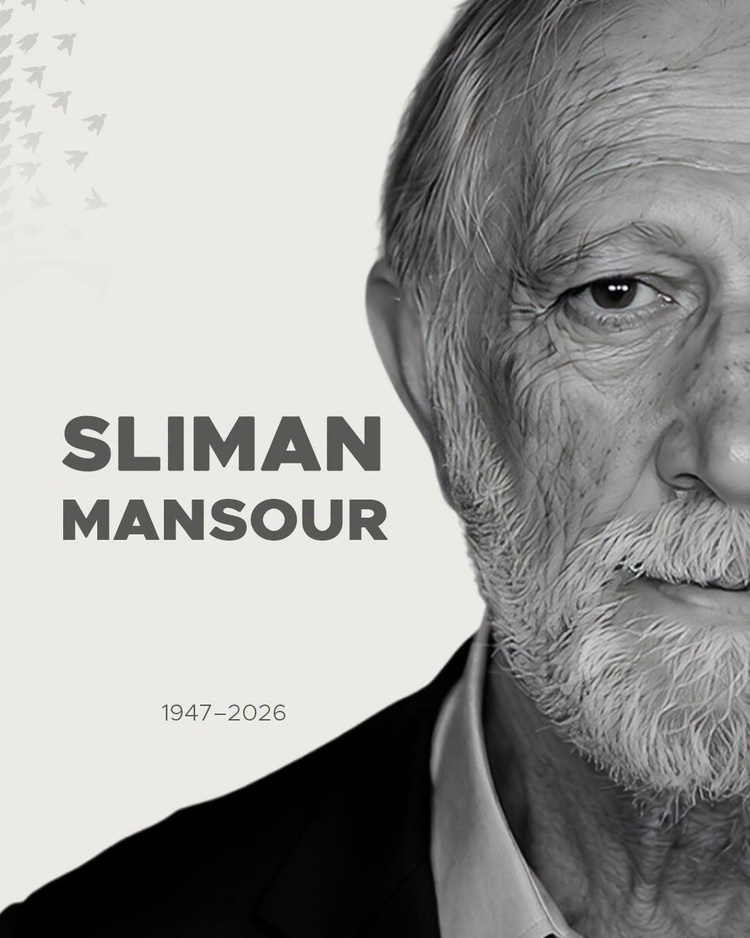
Interview with the Palestinian Artist Who Will Never Die
Latamarte: Mr. Mansour, if we go back to the beginning, what drew you toward painting?
Sliman Mansour: I think art began when I started connecting with the world around me. I grew up in Birzeit, among the hills, fields and landscapes of Palestine. Later, I lived in Bethlehem and Jerusalem, and these places became part of my memory. From an early age, I felt the need to observe, record and transform what I saw into images. Painting was never simply a profession for me; it was a way of looking at life.
Latamarte: The human figure has a very strong presence in many of your works. Why is the human being so important to you?
Sliman Mansour: Because, ultimately, art is about people. I can paint a landscape, a tree or a building, but behind all of these things there is a human being who has lived there, worked there, suffered there and created memories. That is why I have often tried to express the human condition through the figure itself, rather than simply narrating an event.
Latamarte: Can art tell history?
Sliman Mansour: Art is different from journalism. A journalist can document an event; art does not necessarily need to reproduce the event itself. Art can express the atmosphere of a historical period. For me, a bent human figure, an olive tree, a piece of earth or an image of Jerusalem can say something about an entire historical period without explaining every detail of an event. Art becomes powerful when it moves beyond slogans and reaches human experience.
Latamarte: In your work, land is not simply a subject; sometimes the land itself becomes an artistic material. Why?
Sliman Mansour: Because you cannot speak about a homeland while ignoring the homeland itself. At a certain point, we decided to use materials that came from our own environment: earth, mud, henna, coffee and other natural materials. This was not merely a technical choice. We wanted to say that these materials belonged to this land. When Palestinian earth enters a work of art, it is no longer simply an image of the land; the land itself is present in the work.
Latamarte: What does the olive tree mean to you?
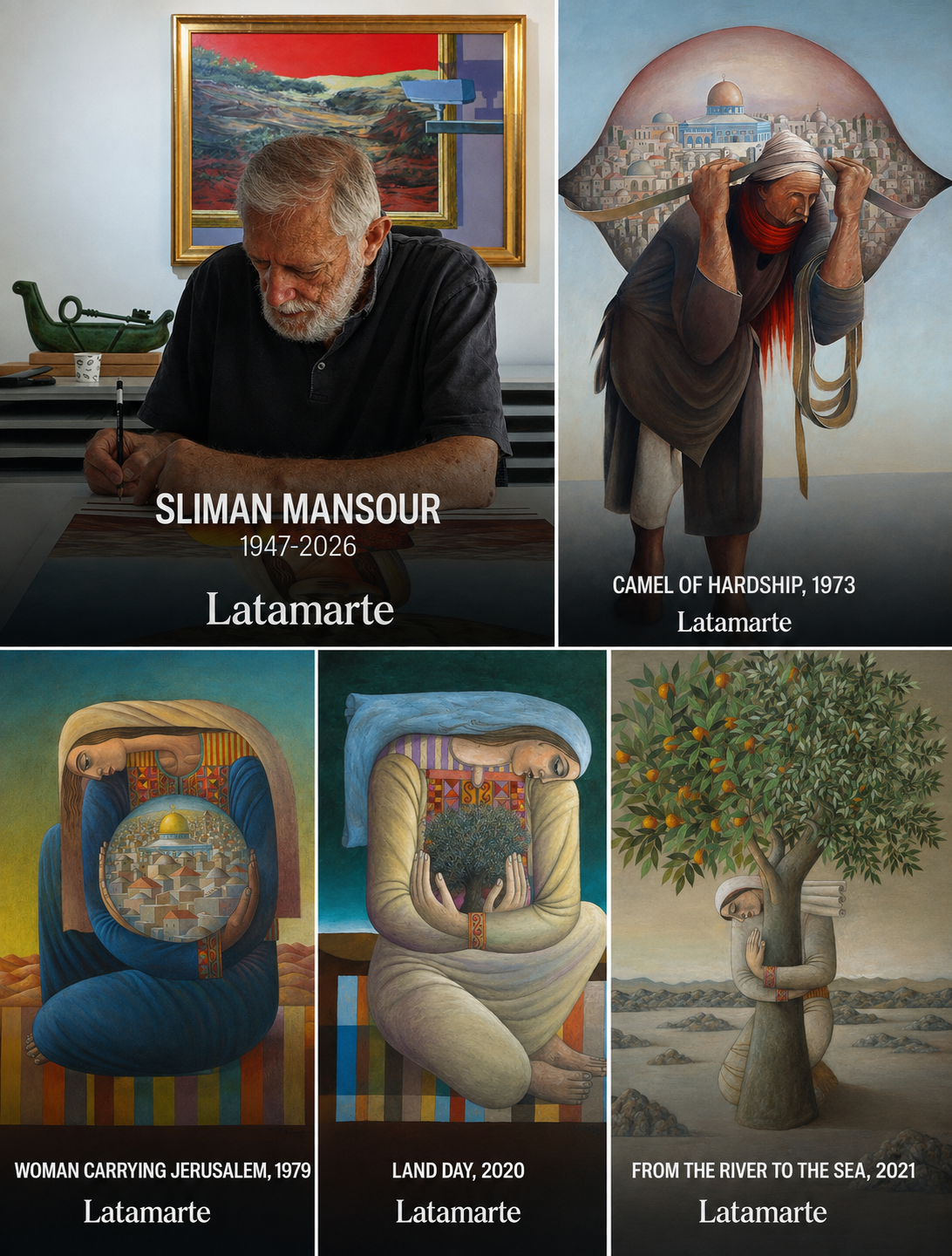
Sliman Mansour: The olive tree is not simply a tree for me. It has roots, it lives for a long time and it is deeply connected to the earth. That makes it a powerful symbol of remaining and being rooted. The orange tree also carries memories of Palestinian land and history. Gradually, we discovered these symbols and transformed them into part of our visual language.
Latamarte: One of your most famous works is Jamal al-Mahamel, or Camel of Hardships. How did this work come about?
Sliman Mansour: I painted it in 1973, when I was still a young artist. The image of an elderly man carrying a heavy burden was, for me, an image of a human being carrying the weight of his history and homeland. But what he carries is Jerusalem. His burden is therefore not merely physical. It can speak of homeland, memory, suffering and the longing to return.
Latamarte: Did you expect the work to become such a powerful symbol?
Sliman Mansour: No. Once you create a work, it no longer belongs entirely to you. The viewer adds his or her own meanings to it. Perhaps that is precisely where the power of an image lies: it can move beyond the artist's personal experience and enter collective memory.
Latamarte: Jerusalem appears repeatedly in your work. What is your personal relationship with the city?
Sliman Mansour: Jerusalem is not simply a city for me. It is part of the identity, history and dreams of the Palestinian people. That is why it appears in so many of my works, sometimes directly and sometimes as an image within another image.
Latamarte: Can we say that you created a kind of “Palestinian visual alphabet”?
Sliman Mansour: If such a thing exists, it is not the work of one person. This language comes from Palestinian culture, folk art, history, nature, architecture and the experiences of the people. The olive tree, the orange tree, the rural woman, embroidery, the land and Jerusalem gradually became words in this visual language.
Latamarte: What is Palestine to you?
Sliman Mansour: Palestine is not simply a geographical place. Palestine means security, freedom, history, love, beauty and self-respect. For me, art is not only about beauty; it is also about preserving human dignity.
Latamarte: What would you say to young artists?
Sliman Mansour: First of all, be yourselves. True identity comes from life. An artist should observe their surroundings, know their people, study their history and, at the same time, remain connected to the wider world. Good art needs both roots and horizons.
Latamarte: If you had to describe your artistic legacy in one sentence, what would you say?
Sliman Mansour: Perhaps I would say: I tried to transform into images the things that might otherwise have been forgotten.
Latamarte: And finally, what would you like people to take with them after seeing your work?
Sliman Mansour: Hope. Not a simple or superficial hope, but a hope that emerges from an understanding of suffering. If a work of art can help someone see another human being more clearly, take their history more seriously and remember their dignity, then that work has come close to fulfilling its purpose. I believe art remains alive when it keeps memory alive.
Latamarte: Sliman Mansour is no longer among us, but the conversation with his art does not end. He did not simply paint Palestine; he created a visual language for it. Perhaps that is why Camel of Hardships is more than the image of a man carrying a heavy burden. It can also be understood as a metaphor for an artist who spent his entire life carrying the memory of a homeland on the shoulders of art. Sliman Mansour has passed away, but the Palestinian artist who will never die continues to live through his work.
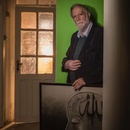
Sliman Mansour
By LatAm ARTE
Sliman Mansour is one of the most distinguished and renowned artists in Palestine. His style embodies steadfastness in the face o ...
Latest
Publications
- October 10, 2026
FROM BASICS TO FINE ART
Daily Artwork
- October 10, 2026
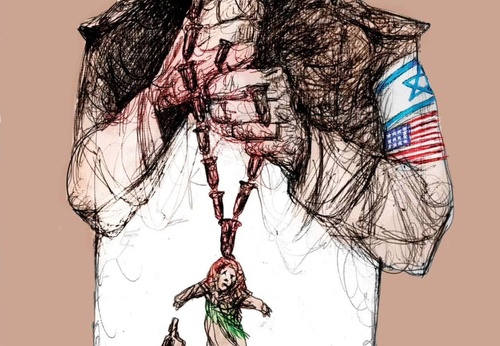
Outlaw Drone .. American outlaw ..
Daily Artwork
Publications
Daily Artwork
- October 09, 2026
The captivity of Palestinian children
Publications
- October 09, 2026
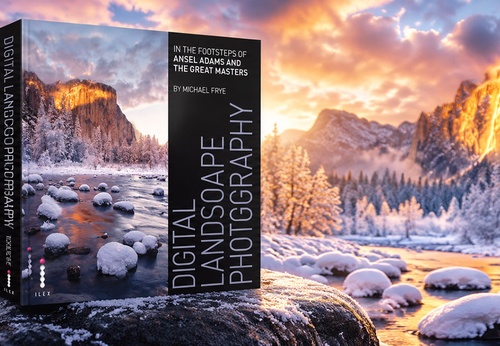
DIGITAL LANDSCAPE PHOTOGRAPHY
Article
- October 08, 2026
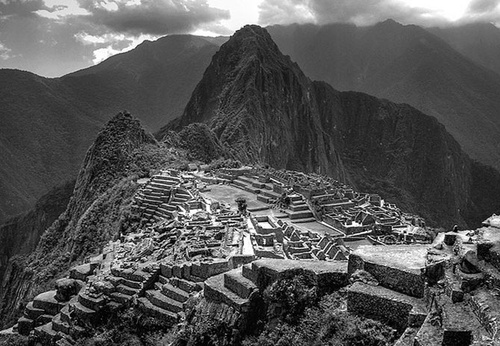
Peru: Indigenism, Photography, and the Memory of the Andes
Article
- October 08, 2026
Mexico: Surrealism and the Power of Women's Art
Daily Artwork
- October 08, 2026
Genocide tunnel .. Gaza genocide did not stop yet ..
- August 26, 2026
Interview with the Palestinian Artist W…
- August 21, 2026
Interview with Yemeni Cartoonist Kamal …

- June 29, 2026
Exclusive Interview with Quinho for LAT…

- August 15, 2025
Interview with Kamal Sharaf
- June 05, 2025
When the Wall Breathes: Interview with …
- May 20, 2025
Imaginary Interview with David Alfaro S…

- May 11, 2025
Interview with Massoud Shojai Tabatabai
- March 25, 2025
Imaginary Interview with Sergio Aragonés

- March 24, 2025
Imaginary Interview with Ángel Boligán
- March 07, 2025
Imaginary Interview with Cau Gomez – Th…
- February 15, 2025
Imaginary Interview with Thomas Fluharty
- December 06, 2024
Interview with Pablo Picasso about "Dov…

- November 01, 2024
Imaginari Interview with Master Zirlado

- October 21, 2024
An Imaginary Interview with Frida Kahlo
- October 10, 2024
Interview with Diego Rivera: A Master o…

- September 14, 2024
Governments are afraid of the visual ar…
- August 23, 2024
A Hypothetical Interview with Claude Mo…
- July 27, 2024
An Imaginary Interview with Auguste Rod…

- June 20, 2024
Art and the deepest part of the human s…
- June 16, 2024
A Candid Conversation with Fernando Bot…
- March 07, 2024
An imaginary interview with Van Gogh ab…
- May 11, 2025
Interview with Massoud Shojai Tabatabai
- August 15, 2025
Interview with Kamal Sharaf
- February 11, 2024
imaginary interview with van gogh,befor…
- October 21, 2024
An Imaginary Interview with Frida Kahlo
- March 24, 2025
Imaginary Interview with Ángel Boligán
- October 10, 2024
Interview with Diego Rivera: A Master o…

- February 02, 2024
Interview with a Ghost: Banksy Speaks
- June 29, 2026
Exclusive Interview with Quinho for LAT…
- August 23, 2024
A Hypothetical Interview with Claude Mo…
- May 20, 2025
Imaginary Interview with David Alfaro S…

- February 15, 2024
imaginary interview with Honoré Daumier

- July 31, 2023
Interview with Professor John A. Lent

- February 08, 2024
interview with pablo picasso, imaginary
- February 01, 2024
interview with Ralph Steadman , great a…
- February 15, 2025
Imaginary Interview with Thomas Fluharty
- August 21, 2026
Interview with Yemeni Cartoonist Kamal …
- June 05, 2025
When the Wall Breathes: Interview with …

- March 31, 2024
An Interview with Edgar Degas: Capturin…
- December 06, 2024
Interview with Pablo Picasso about "Dov…
- October 21, 2024
An Imaginary Interview with Frida Kahlo
- February 08, 2024
interview with pablo picasso, imaginary
- March 07, 2024
An imaginary interview with Van Gogh ab…

- February 10, 2024
interview with mordillo ,master of smil…
- February 14, 2024
imaginary interview with Leonardo da Vi…
- October 10, 2024
Interview with Diego Rivera: A Master o…
- December 06, 2024
Interview with Pablo Picasso about "Dov…

- March 02, 2024
An imaginary interview with Salvador Da…
- February 02, 2024
Interview with a Ghost: Banksy Speaks
- February 11, 2024
imaginary interview with van gogh,befor…

- May 18, 2024
An Interview with Michelangelo
- February 01, 2024
interview with Ralph Steadman , great a…

- July 30, 2023
“Cartoons give us another reality of cu…
- August 23, 2024
A Hypothetical Interview with Claude Mo…
- June 12, 2024
Eduardo Costantini revolutionized Latin…
- November 01, 2024
Imaginari Interview with Master Zirlado
- June 05, 2025
When the Wall Breathes: Interview with …

- April 26, 2024
An Imaginary Interview with Caravaggio …
- June 16, 2024
A Candid Conversation with Fernando Bot…
- July 30, 2023
“My name is Paulo, but you can call me …