Street Art and the Right to the City
7. Street Art and the Right to the City: Graffiti as Civic Expression
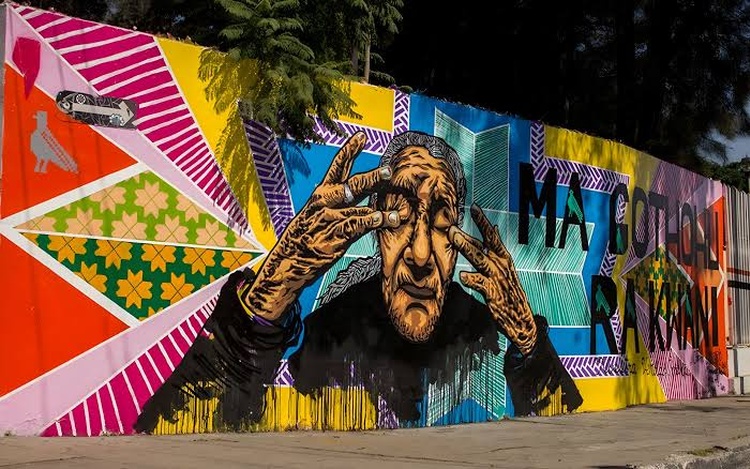
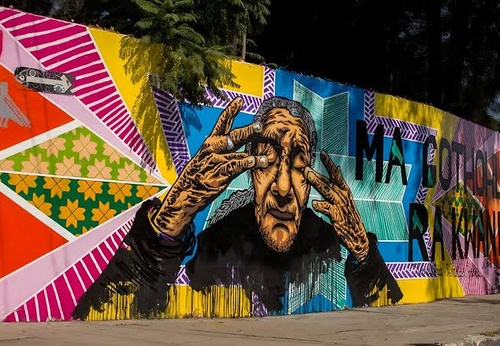
Graffiti has ceased to be considered a mere act of vandalism, becoming one of the most vital expressions of contemporary urban art and a barometer of the social tensions running through Latin American cities. In metropolises like Bogotá, São Paulo, Mexico City, and Caracas, walls have become a space for direct communication where collectives and individual artists address issues such as police violence, gentrification, the memory of victims, and the defense of territory. Graffiti, in this sense, embodies the "right to the city": the possibility of intervening in public space without asking permission, of leaving one's own mark on an environment that is often perceived as alien or hostile. Artists like the Brazilian Os Gemeos and the Colombian Stinkfish have achieved international recognition, bringing the aesthetics of Latin American graffiti to galleries and festivals around the world, while remaining firmly rooted in the streets. At the same time, graffiti faces constant tensions: criminalization by authorities, appropriation by the art market and tourism, and the risk of being neutralized as mere decoration. Despite this, it remains a tool of expression for communities that lack access to other media, and a reminder that urban space is, above all, a contested territory where identities, power, and memories are negotiated.
Latamarte
Latest
Article
- November 24, 2026
Environmental Art and the Climate Crisis
Article
- November 24, 2026
Street Art and the Right to the City
Publications
- November 24, 2026
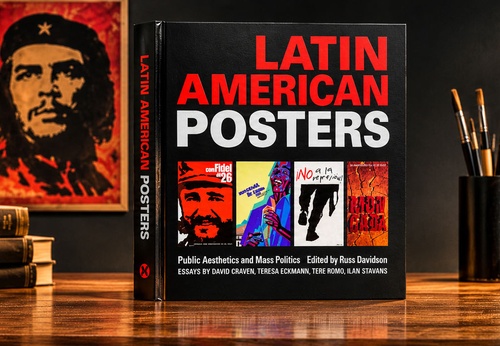
LATIN AMERICAN POSTERS
Contest
- November 23, 2026
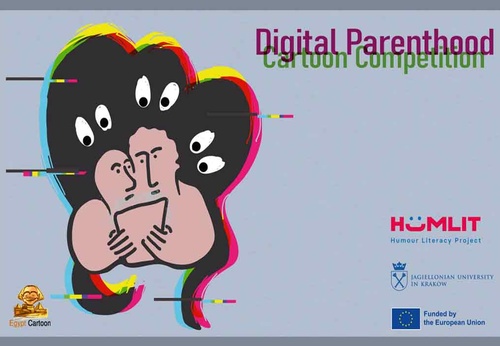
“Digital Parenthood” International Cartoon Contest - Poland 2027

Contest
- November 23, 2026
1st International Cartoon Competition – Mineralni Bani 2027, Bulgaria
Daily Artwork

Artist
- November 23, 2026
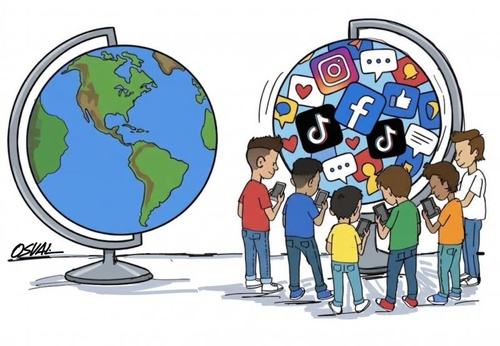
Anette Rafces Cruz - Cuba
Gallery
- November 23, 2026
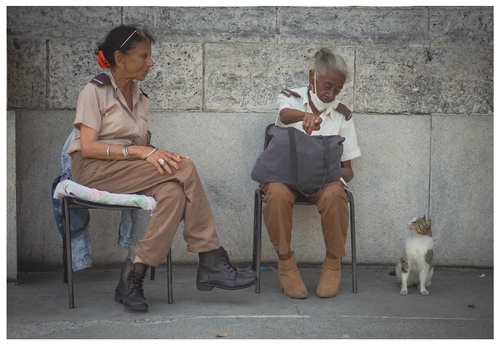
Gallery Of Photography By Anette Rafces Cruz - Cuba
Gallery

- November 24, 2026
Environmental Art and the Climate Crisis
- November 24, 2026
Street Art and the Right to the City
- November 22, 2026
Walls That Speak: Muralism and the Poli…
- November 22, 2026
Visual Historiography: The Role of Pain…

- November 21, 2026
Printmaking: The Renaissance of Printma…
- November 21, 2026
Public Sculpture and Urban Memory: From…

- November 20, 2026
Back to the Canvas: Why Is Painting Sti…
- November 20, 2026
Contemporary Painting in Latin America
- November 17, 2026
Urban Interventions and Relational Art …

- November 17, 2026
The Artist's Book and Expanded Prints i…
- November 16, 2026
Printmaking and Illustration in Venezue…
- November 16, 2026
Sculpture and Environmental Art in Pana…

- November 14, 2026
Art in Venezuela

- November 14, 2026
Contemporary Art in Panama
- November 12, 2026
The Impact of Sebastião Salgado’s Photo…
- November 11, 2026
Art in Venezuela: Public Space, Social …
- November 11, 2026
Art in Panama: Cultural Resistance and …
- November 10, 2026
Our North is the South: Universal Const…

- November 10, 2026
Magical Realism Beyond the Page: Latin …
- November 09, 2026
Art as Resistance: When Creation Transf…
- August 29, 2023
The history of Bolivian art

- February 19, 2024
Analysis and meaning of Van Gogh's Star…
- January 28, 2024
Culture and Art in Argentina

- September 25, 2023
What is the importance of art in human …

- September 23, 2023
What is paint?

- August 23, 2023
The 11 types of art and their meanings

- September 23, 2023
Painting characteristics
- August 10, 2023
14 questions and answers about the art …
- August 30, 2023
First artistic manifestations
- January 12, 2024
10 most beautiful statues and sculpture…
- September 23, 2023
History of painting
- October 18, 2023
History of sculpture
- May 26, 2024
Técnicas de artes visuais
- April 06, 2024
History of visual arts in Ecuador

- March 26, 2024
The importance of technology in art1
- November 21, 2024
History of Visual Arts

- July 13, 2024
The impact of artificial intelligence o…
- August 27, 2023
The history of art Mexico
- March 26, 2024
Cultural identity and its impact on art…

- December 20, 2024
What is art? Definition, concept and ar…
- February 19, 2024
Analysis and meaning of Van Gogh's Star…

- August 13, 2023
9 Latino painters and their great contr…
- August 23, 2023
The 11 types of art and their meanings
- August 27, 2023
15 main works of Van Gogh
- August 10, 2023
14 questions and answers about the art …
- August 29, 2023
The history of Bolivian art
- January 28, 2024
Culture and Art in Argentina

- November 06, 2023
5 Latin American artists and their works
- September 23, 2023
Painting characteristics
- September 23, 2023
What is paint?
- September 25, 2023
What is the importance of art in human …
- August 30, 2023
First artistic manifestations
- March 26, 2024
Cultural identity and its impact on art…

- January 26, 2025
10 of the best Bolivian painters
- December 18, 2023
10 iconic works by Oscar Niemeyer, geni…

- August 24, 2023
The most famous image of Ernesto "Che" …
- January 12, 2024
10 most beautiful statues and sculpture…
- May 26, 2024
Técnicas de artes visuais
- November 21, 2024
History of Visual Arts

- January 20, 2024
What is the relationship between art an…