Art in Venezuela: Public Space, Social Commitment, and New Voices
Since the mid-20th century, Venezuelan art has been a laboratory for integrating art and public space. The University City of Caracas, designed by architect Carlos Raúl Villanueva, is the most ambitious example of this vocation: a campus where the works of Jesús Rafael Soto, Carlos Cruz-Diez, and Alejandro Otero are integrated into the architecture in a "synthesis of the arts" that was declared a World Heritage Site by UNESCO in 2000. Soto's penetrables, Cruz-Diez's Physichromies, and Otero's Colorhythms are not museum pieces: they are experiences that citizens encounter in their daily lives, transforming public space into a territory of active perception and participation.
However, Venezuelan art has also been a space for denunciation and social commitment. During decades of economic and political crisis, artists have addressed themes such as violence, migration, inequality, and memory. Urban art collectives in working-class neighborhoods of Caracas, Maracaibo, and Valencia use murals and graffiti to narrate daily life, denounce violence, and affirm local identities, continuing the long Latin American tradition of art as a tool for awareness and transformation.
The Venezuelan artistic diaspora has produced a vibrant scene in cities like Miami, Bogotá, Madrid, and Lisbon. Artists such as Sol Calero, Alexander Apóstol, and Yucef Merhi continue working from exile, addressing themes of memory, displacement, and identity. Their works, exhibited in international biennials and museums, maintain a dialogue with their country of origin and demonstrate that Venezuelan creativity is not extinguished by crisis.
In the realm of emerging voices, recent exhibitions at the Alejandro Otero Museum in Caracas, such as Restless Fiber: Textile Language in Contemporary Art (2025), have brought together fourteen artists who explore textiles as a medium of expression, connecting with the ancestral roots of the Warao, Yekuana, and Wayuu indigenous communities. Artist Carolina Vollmer, with her installation Roots and Fiber, weaves a dialogue between tradition and contemporaneity, demonstrating that Venezuelan art continues to seek new languages and ways to connect with its history. Venezuelan art is, in essence, the story of a country that dreamed of modernity and whose creativity continues to resist, imagine, and rebuild itself.
Latamarte
Latest
Article
- November 11, 2026
Art in Venezuela: Public Space, Social Commitment, and New Voices
Daily Artwork
- November 11, 2026
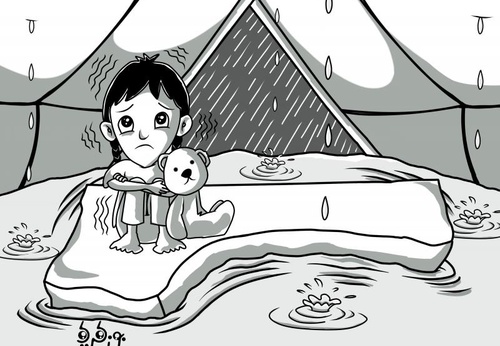
Gaza’s Recurring Winter Ordeal
Artist
- November 11, 2026
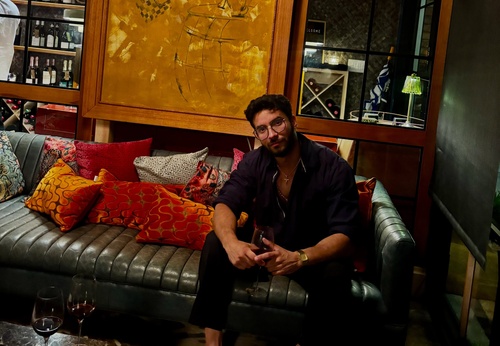
Gustavo Andrade
Publications
- November 11, 2026
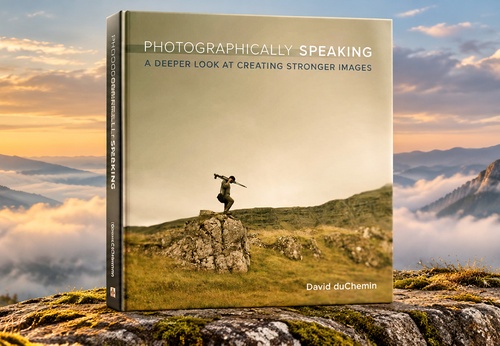
PHOTOGRAPHICALLY SPEAKING: A DEEPER LOOK AT CREATING STRONGER IMAGES
Gallery
- November 11, 2026
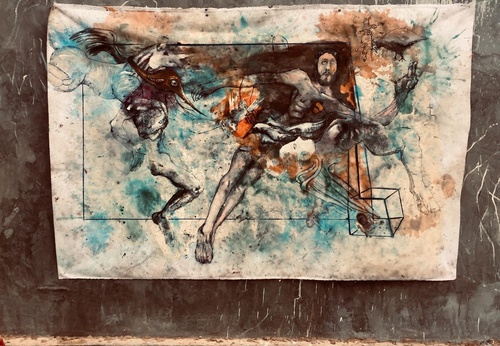
Gallery Of Illustration By Gustavo Andrade - Venezuela
Gallery
Publications
- November 11, 2026
The Art of the Secret World of Arrietty
Article
- November 11, 2026
Art in Panama: Cultural Resistance and Afro-Caribbean Memory
Publications
- November 10, 2026
Outdoor Photography | 2020, Issue 2
- November 11, 2026
Art in Venezuela: Public Space, Social …
- November 11, 2026
Art in Panama: Cultural Resistance and …
- November 10, 2026
Our North is the South: Universal Const…

- November 10, 2026
Magical Realism Beyond the Page: Latin …
- November 09, 2026
Art as Resistance: When Creation Transf…
- November 09, 2026
Art in the Digital Age: Between Creativ…
- November 08, 2026
AI and Identity in Latin American Art

- November 08, 2026
AI and Latin American Visual Heritage
- November 07, 2026
The Rise of Contemporary Indigenous Art…

- November 07, 2026
Neoconcretism: When Art Invites Touch

- November 06, 2026
Microsoft Introduces a Font Inspired by…
- November 06, 2026
Latin American Artists: From 1785 to Now
- November 05, 2026
The Power of Figurative Art in the Expr…

- November 05, 2026
The Pioneering Spirit of Argentine Kine…
- November 04, 2026
Threads of History: The Ancient Art of …
- November 04, 2026
The Legacy of Mexican Muralism
- November 03, 2026
Art in Venezuela
- November 03, 2026
Art in Panama
- November 02, 2026
From Brazil to the World: The Global Re…
- November 02, 2026
The Revolution of Colors: The Social Ro…
- August 29, 2023
The history of Bolivian art
- February 19, 2024
Analysis and meaning of Van Gogh's Star…
- January 28, 2024
Culture and Art in Argentina

- September 25, 2023
What is the importance of art in human …

- September 23, 2023
What is paint?

- August 23, 2023
The 11 types of art and their meanings

- September 23, 2023
Painting characteristics
- August 10, 2023
14 questions and answers about the art …
- August 30, 2023
First artistic manifestations
- January 12, 2024
10 most beautiful statues and sculpture…
- September 23, 2023
History of painting
- October 18, 2023
History of sculpture
- November 21, 2024
History of Visual Arts

- March 26, 2024
The importance of technology in art1
- April 06, 2024
History of visual arts in Ecuador
- July 13, 2024
The impact of artificial intelligence o…
- August 27, 2023
The history of art Mexico
- March 26, 2024
Cultural identity and its impact on art…
- April 07, 2024
Graffiti in Latin American culture
- December 20, 2024
What is art? Definition, concept and ar…
- February 19, 2024
Analysis and meaning of Van Gogh's Star…
- August 13, 2023
9 Latino painters and their great contr…
- August 23, 2023
The 11 types of art and their meanings
- August 27, 2023
15 main works of Van Gogh
- August 10, 2023
14 questions and answers about the art …
- August 29, 2023
The history of Bolivian art
- January 28, 2024
Culture and Art in Argentina
- November 06, 2023
5 Latin American artists and their works
- September 23, 2023
Painting characteristics
- September 23, 2023
What is paint?
- September 25, 2023
What is the importance of art in human …
- August 30, 2023
First artistic manifestations
- March 26, 2024
Cultural identity and its impact on art…
- January 26, 2025
10 of the best Bolivian painters
- December 18, 2023
10 iconic works by Oscar Niemeyer, geni…

- August 24, 2023
The most famous image of Ernesto "Che" …
- January 12, 2024
10 most beautiful statues and sculpture…
- May 26, 2024
Técnicas de artes visuais
- November 21, 2024
History of Visual Arts
- January 20, 2024
What is the relationship between art an…