Neoconcretism: When Art Invites Touch
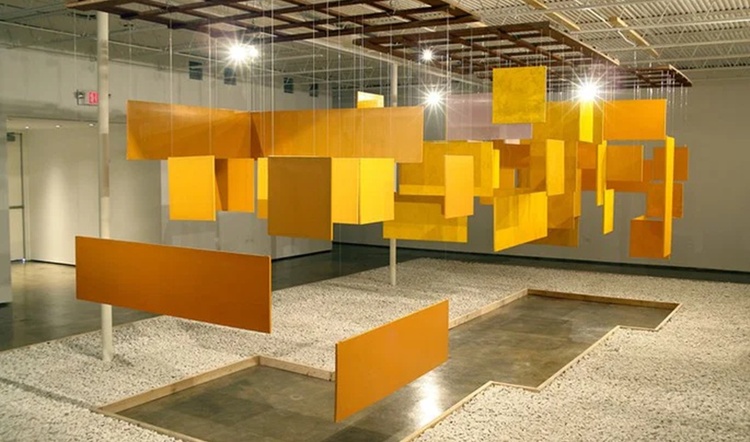
Emerging in Rio de Janeiro in the late 1950s, the Neoconcrete movement revolutionized the way we interact with works of art. Breaking away from the coldness and rigidity of geometric abstraction, visionary artists such as Lygia Clark and Hélio Oiticica created pieces that demanded the physical participation of the public. Sculptures ceased to be untouchable objects on pedestals, evolving instead into Clark’s articulated metal "Bichos" (Creatures) or Oiticica’s colorful "Parangolés"—capes designed to be worn and danced in. This Brazilian avant-garde movement transformed the passive spectator into a co-creator, proving that art is a living, sensory experience, inseparable from the human body.
LATAMARTE
Latest
Article
- November 07, 2026
The Rise of Contemporary Indigenous Art in Brazil
Article
- November 07, 2026
Neoconcretism: When Art Invites Touch

Publications
- November 07, 2026
PALESTINE | MEMORIES OF 1948
Daily Artwork
- November 07, 2026
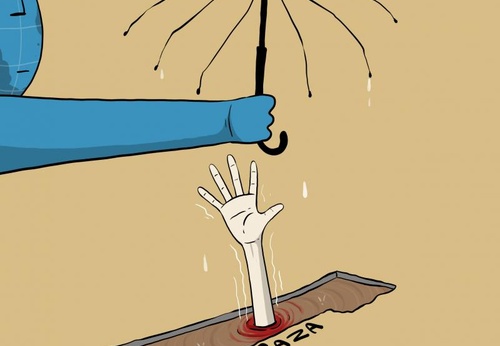
The Bare Umbrella

Daily Artwork
- November 07, 2026
Dreams and lives in Gaza

Publications
- November 07, 2026
The Visual Palette: Defining Your Photographic Style
Video
- November 06, 2026
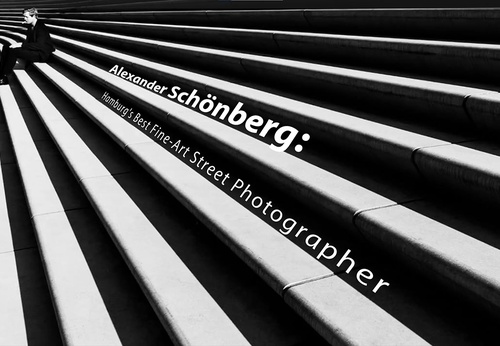
Alexander Schönberg: Hamburg's Best Fine-Art Street Photographer
Publications
- November 06, 2026
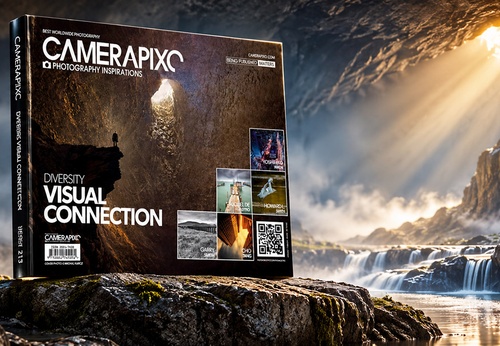
CAMERAPIXO | DIVERSITY: VISUAL CONNECTION

Artist
- November 06, 2026
Diego Areso

- November 07, 2026
The Rise of Contemporary Indigenous Art…

- November 07, 2026
Neoconcretism: When Art Invites Touch

- November 06, 2026
Microsoft Introduces a Font Inspired by…
- November 06, 2026
Latin American Artists: From 1785 to Now
- November 05, 2026
The Power of Figurative Art in the Expr…

- November 05, 2026
The Pioneering Spirit of Argentine Kine…

- November 04, 2026
Threads of History: The Ancient Art of …
- November 04, 2026
The Legacy of Mexican Muralism

- November 03, 2026
Art in Venezuela

- November 03, 2026
Art in Panama

- November 02, 2026
From Brazil to the World: The Global Re…
- November 02, 2026
The Revolution of Colors: The Social Ro…

- November 01, 2026
Tarsila do Amaral and the Colors of Bra…

- November 01, 2026
Beco do Batman: The Vibrant Heart of Ur…

- October 29, 2026
Women in Latin American Art: Identity, …

- October 28, 2026
The World of Graphic Arts: Definition a…
- October 27, 2026
Sustainable Art: Transforming Waste int…

- October 27, 2026
The Timeless Magic of Black-and-White P…
- October 26, 2026
The Hidden Language of Abstract Art: A …

- October 26, 2026
The Evolution of Digital Art: The Canva…
- August 29, 2023
The history of Bolivian art

- February 19, 2024
Analysis and meaning of Van Gogh's Star…
- January 28, 2024
Culture and Art in Argentina

- September 25, 2023
What is the importance of art in human …

- September 23, 2023
What is paint?

- August 23, 2023
The 11 types of art and their meanings

- September 23, 2023
Painting characteristics
- August 10, 2023
14 questions and answers about the art …
- August 30, 2023
First artistic manifestations

- January 12, 2024
10 most beautiful statues and sculpture…
- September 23, 2023
History of painting
- October 18, 2023
History of sculpture
- November 21, 2024
History of Visual Arts

- March 26, 2024
The importance of technology in art1

- April 06, 2024
History of visual arts in Ecuador

- July 13, 2024
The impact of artificial intelligence o…

- March 26, 2024
Cultural identity and its impact on art…
- August 27, 2023
The history of art Mexico
- April 07, 2024
Graffiti in Latin American culture

- December 20, 2024
What is art? Definition, concept and ar…
- February 19, 2024
Analysis and meaning of Van Gogh's Star…

- August 13, 2023
9 Latino painters and their great contr…
- August 23, 2023
The 11 types of art and their meanings
- August 27, 2023
15 main works of Van Gogh
- August 10, 2023
14 questions and answers about the art …
- August 29, 2023
The history of Bolivian art
- January 28, 2024
Culture and Art in Argentina

- November 06, 2023
5 Latin American artists and their works
- September 23, 2023
Painting characteristics
- September 23, 2023
What is paint?
- September 25, 2023
What is the importance of art in human …
- August 30, 2023
First artistic manifestations
- March 26, 2024
Cultural identity and its impact on art…

- January 26, 2025
10 of the best Bolivian painters

- December 18, 2023
10 iconic works by Oscar Niemeyer, geni…

- August 24, 2023
The most famous image of Ernesto "Che" …
- January 12, 2024
10 most beautiful statues and sculpture…

- May 26, 2024
Técnicas de artes visuais
- November 21, 2024
History of Visual Arts

- January 20, 2024
What is the relationship between art an…