35th Edition of arteba at La Rural
Arteba celebrates its 35th edition, featuring over 400 artists, in a major return to La Rural.
The grand art event has opened its doors to institutions; it will open to the general public starting Friday. Here are the details for this edition.
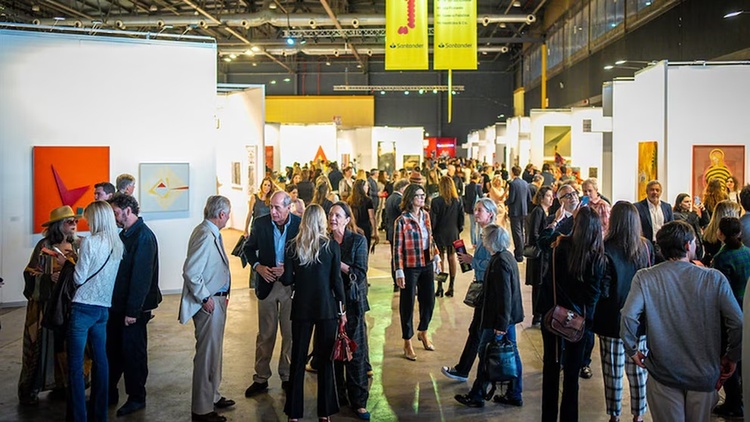
With an exclusive opening for institutions and collectors, the arteba fair has launched its 35th edition at La Rural, ahead of its opening to the general public, which will run from Friday, October 30, to Sunday, November 1.
Much has changed since its inception at the Centro Cultural Recoleta—originally known as ARTE BA ’91—which featured only a handful of galleries and focused primarily on works by established artists. This current iteration marks a major return to the Palermo exhibition grounds, the venue for most of the fair’s previous editions, and now hosts 69 galleries and more than 400 artists.
In a conversation with Infobae Cultura, Lucrecia Palacios, executive director of the arteba Foundation, explained that the fair’s beginnings took place amidst a series of social shifts that followed the return of democracy in 1983.
“It was a time when efforts to reclaim public space in the post-dictatorship era were underway. Music festivals and Marta Minujín’s ‘Parthenon of Books,’ for instance, are emblematic of that spirit. In that sense, arteba served an urban function quite similar to that of ARCO in 1980s Madrid: reclaiming public space through culture, following a period when such activities were not permitted,” she said. He added: “Arteba is a very special fair because it was created by collectors. I don’t know of any other example like it in the world. It is a fair conceived from the very DNA of collecting. There were no gallery owners among the founders—nor have there been any since. Its connection to collectors and its dedicated collecting program are, without a doubt, among its clearest strengths. Since its inception, its goal has been to enable artists to make a living from their work.”
Among them were Jacobo Fiterman, who served as president of the foundation during its first decade; Juan Cambiaso, who years later would create the iconic *Premio en Obra* (Work-in-Progress Award); Alejandro Corres, who served as the institution’s first president when it was founded in September 1991; and cultural manager Diana Saiegh—then at the helm of the Recoleta [Cultural Center]—who facilitated this collaboration between the state and the private sector.
Source
Latest
News
- October 31, 2026
35th Edition of arteba at La Rural
News
Publications
- October 31, 2026
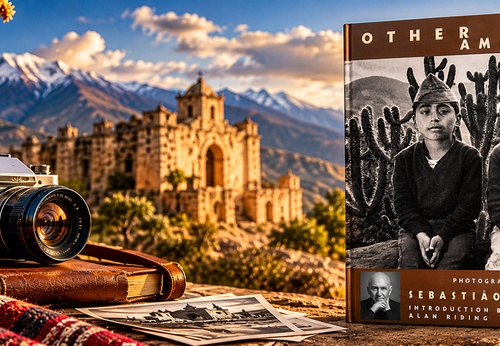
OTHER AMERICAS | Sebastião Salgado
Daily Artwork
- October 31, 2026
Fake news
Publications
- October 31, 2026
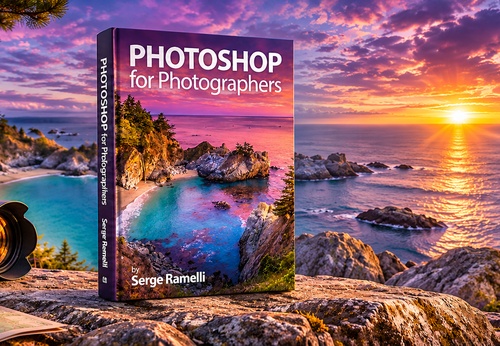
Complete Photoshop training for Photographers by Serge Ramelli
Publications
- October 31, 2026
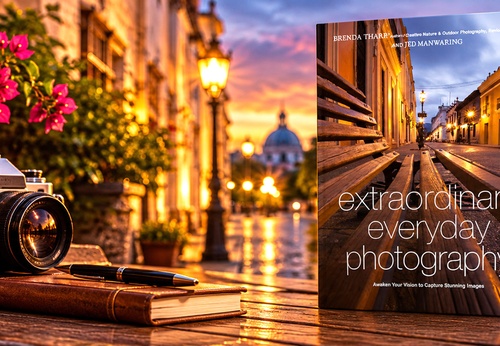
Extraordinary Everyday Photography

Publications
- October 31, 2026
CHINESE HOUSES of Southeast Asia

Publications
- October 30, 2026
Super Structures: Inside the World’s Most Spectacular Buildings
Artist
- October 30, 2026
Maria Picasso Piquer

- October 31, 2026
35th Edition of arteba at La Rural
- October 31, 2026
The Art of Picasso, Klee, and Matisse A…
- October 29, 2026
Malba Announces the Acquisition of the …
- October 28, 2026
Art Basel Miami Beach 2026 Revamp
- October 28, 2026
Excitement Surrounds Frida Kahlo’s Work…

- October 27, 2026
Eduardo Costantini to be honored in New…
- October 26, 2026
Latin American Art Takes Center Stage a…

- October 25, 2026
Julio Cortázar Museum brings together w…
- October 04, 2026
MALBA in Buenos Aires Celebrates 25 Yea…
- August 26, 2026
The Passing of Sliman Mansour: An Artis…
- August 13, 2026
Botero Returns to New York to Revisit t…
- August 11, 2026
"Malba-Costantini Collection: Latin Ame…
- August 10, 2026
The Most Important Exhibition on the Me…

- August 06, 2026
Cau Gomez Launches Official Website
- July 04, 2026
Football and Art at Museo Jumex
- June 29, 2026
Gazan Art at the Palestinian Museum: "T…
- June 28, 2026
Works from the Venice Biennale at the E…
- June 27, 2026
A Frida Kahlo Retrospective Arrives at …

- June 11, 2026
Two Argentinians Selected for Internati…

- June 05, 2026
“Noise” Wins Award and Expands Internat…

- October 08, 2023
Illustrations reflect the brutal Israel…

- December 25, 2023
The jury statement of the Iran-Brazil F…

- March 21, 2024
The history of art in Palestine

- July 29, 2023
History of Caricature in Brazil
- June 05, 2026
“Noise” Wins Award and Expands Internat…

- May 22, 2025
Brady Izquierdo’s Personal Exhibition O…

- April 20, 2024
Poignant Image of Grief Wins Mohammed S…
- September 01, 2023
Neural Filters in new photoshop 2023
- June 29, 2024
Exhibition at Centro MariAntonia contra…

- May 15, 2024
Eleven murals for Gaza painted across t…

- October 21, 2023
Erick Meyenberg and Tania Ragasol at th…
- February 18, 2024
7 Ways to Understand What Visual Arts A…
- March 14, 2024
museum of statue of van gogh

- May 25, 2025
Bordalo II to hold exhibition in Paris …

- June 03, 2026
Julio Le Parc, artist of light and move…
- August 09, 2023
Venezuela mural expresses solidarity wi…
- May 20, 2024
Latin American Festival of Performing A…
- March 15, 2024
museum of sculpture of Salvador Dali
- March 30, 2024
illustration websites in Latin America
- August 24, 2023
Latin American contemporary art sales r…
- May 15, 2024
Eleven murals for Gaza painted across t…
- February 18, 2024
7 Ways to Understand What Visual Arts A…

- January 02, 2025
13 commemorations that will mark the cu…
- February 03, 2024
THE HISTORY OF NAIF ART
- October 17, 2023
The influence of Latin American artists…

- July 02, 2024
One of the largest urban art galleries …

- November 17, 2023
Fernando Botero's work is booming after…
- October 08, 2023
Illustrations reflect the brutal Israel…
- July 29, 2023
Piracicaba International Humor Exhibiti…
- December 25, 2023
The jury statement of the Iran-Brazil F…
- November 06, 2023
Heba Zagout: Palestinian artist murdere…
- December 10, 2023
Sliman Mansour and Palestinian art on t…
- March 14, 2024
museum of statue of van gogh
- March 21, 2024
The history of art in Palestine
- February 01, 2025
A maior exposição de Botero em Barcelona
- February 08, 2024
Art Week 2024 in CDMX

- July 20, 2024
First International Mail Art Biennial 2…
- April 20, 2024
Poignant Image of Grief Wins Mohammed S…

- October 30, 2023
Palestinian turns images of the Gaza co…
- September 01, 2023
Neural Filters in new photoshop 2023