Women in Latin American Art: Identity, Memory, and Social Transformation
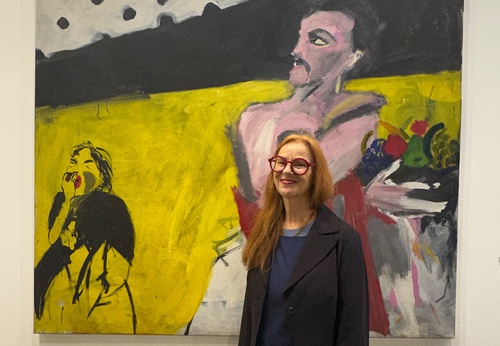
The presence of women in the history of Latin American art is marked by creativity, resistance, and social transformation. Over the centuries, female artists have contributed to the development of various visual languages, even though they have often faced difficulties in gaining recognition within museums, galleries, and cultural institutions.
For a long time, the official history of art prioritized male figures, relegating the work of countless female artists to the background. In recent decades, however, exhibitions, academic research, and cultural initiatives have helped to recover these trajectories and broaden the understanding of the region's artistic diversity.
Art as an Expression of Identity
In Latin America, many artists use painting, photography, sculpture, performance, and other mediums to explore issues related to identity, the body, memory, and everyday experiences. Their works frequently engage in a dialogue with the political and social history of their respective countries.
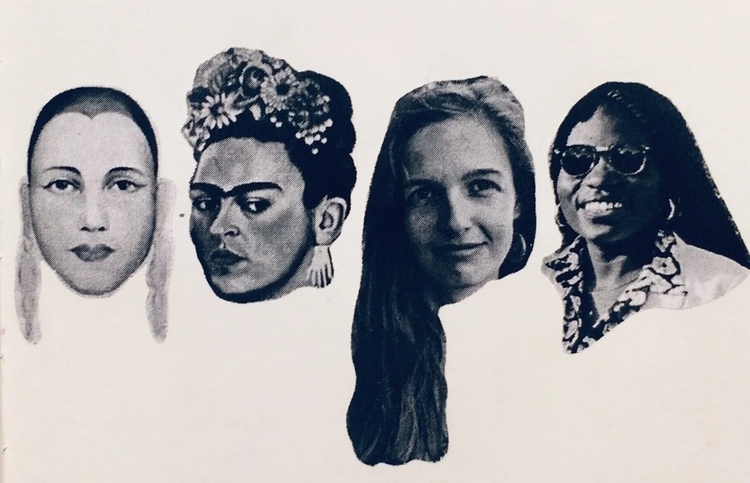
The Mexican artist Frida Kahlo is one of the most well-known examples of this connection between personal experience and artistic expression. Her paintings address themes such as identity, pain, Mexican culture, and the representation of the body, serving as significant touchstones for subsequent generations of artists.
In Brazil, artists such as Lygia Clark and Adriana Varejão illustrate the diverse paths taken within artistic production. While Clark explored audience participation and the sensory possibilities of a work, Varejão developed a body of work that engages with Brazil’s history, architecture, and cultural contradictions.
Memory, Politics, and Social Issues
The work of many Latin American female artists also engages with political and social concerns. Themes such as inequality, violence, colonialism, discrimination, and women’s rights appear in works that seek to challenge power structures and prompt new interpretations of reality.
Across various historical contexts, art has served as a tool for preserving memories that did not always find a place in official records. Photographs, installations, paintings, and performances can document individual and collective experiences, giving visibility to histories that are often marginalized.
This social dimension does not mean that every work produced by a woman must address political issues. The diversity of styles, interests, and aesthetic approaches is, in fact, one of the most significant characteristics of the female presence in the art world.
The challenges of artistic recognition
Despite progress, equal opportunity in the art market remains a pressing issue. Access to exhibitions, funding, institutional collections, and promotional platforms can vary significantly depending on an artist’s country, social background, and professional circumstances.
The presence of women in major exhibitions and public collections has been the subject of ongoing debate and initiatives for change. By re-examining their holdings and curatorial programs, cultural institutions can contribute to a more comprehensive representation of art history.
Furthermore, digital platforms and social media have opened new avenues for showcasing artistic work. While they do not eliminate existing inequalities, these channels allow artists to reach international audiences and establish independent connections with collectors, researchers, and fellow creators.
An evolving art scene
Contemporary Latin American art is shaped by a multitude of cultural, historical, and social experiences. The work produced by women holds an essential place within this landscape—not only due to the diversity of techniques and styles, but also because of its capacity to broaden the questions we ask about society and art itself.
Recognizing these artists means gaining a more complete understanding of art history. Their work demonstrates that artistic creation is not merely a matter of aesthetics; it can also serve as a space for memory, experimentation, dialogue, and cultural transformation.
As museums, galleries, universities, and independent platforms increase the visibility of these artistic trajectories, new possibilities emerge for future generations. Valuing women in Latin American art thus represents a crucial step toward building an art landscape that is more diverse, inclusive, and representative.
latamarte
Latest
Article
News
Publications
- October 29, 2026
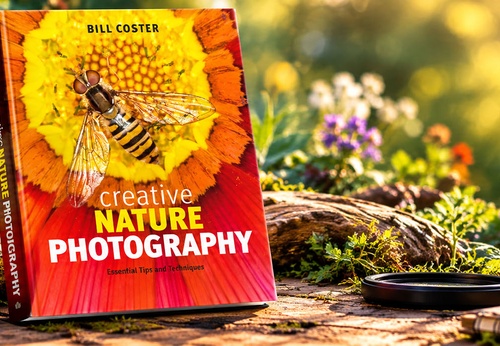
Creative Nature Photography: Essential Tips and Techniques
Publications
- October 29, 2026
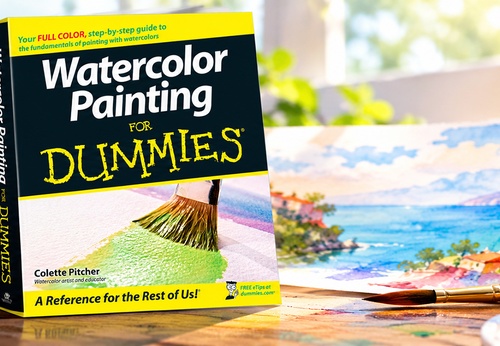
Watercolor Painting for Dummies

Daily Artwork
- October 29, 2026
Train crash
Publications
Publications

Publications
- October 28, 2026
Green Building: Guidebook for Sustainable Architecture
Gallery
- October 28, 2026
Revolution in Frames: Cuba by Carl Oelerich (USA)
- October 29, 2026
Women in Latin American Art: Identity, …

- October 28, 2026
The World of Graphic Arts: Definition a…
- October 27, 2026
Sustainable Art: Transforming Waste int…

- October 27, 2026
The Timeless Magic of Black-and-White P…
- October 26, 2026
The Hidden Language of Abstract Art: A …

- October 26, 2026
The Evolution of Digital Art: The Canva…
- October 25, 2026
The Magic of Light and Color

- October 24, 2026
Roots and the Avant-Garde: The Fusion o…
- October 24, 2026
The Renaissance of Urban Art: Beyond Gr…
- October 21, 2026
Guatemala: Mayan Art, Protest, and the …

- October 21, 2026
Honduras: Art, Migration, and the Voice…
- October 20, 2026
A Mural Telling the Story of Afro-Carib…

- October 20, 2026
Panama: Art, Transit, and the Crossroad…

- October 18, 2026
Dominican Republic: Art, Diaspora, and …
- October 16, 2026
Uruguay: Torres García, Constructivism,…
- October 16, 2026
Venezuela: Kinetic Art, Modernity, and …

- October 12, 2026
Artificial Intelligence in the Art Worl…

- October 12, 2026
Art and Artificial Intelligence: A New …

- October 11, 2026
The Future of Artists in the Age of Art…

- October 11, 2026
Artificial intelligence and art: creati…
- August 29, 2023
The history of Bolivian art
- February 19, 2024
Analysis and meaning of Van Gogh's Star…
- January 28, 2024
Culture and Art in Argentina

- September 25, 2023
What is the importance of art in human …

- September 23, 2023
What is paint?

- August 23, 2023
The 11 types of art and their meanings
- August 10, 2023
14 questions and answers about the art …

- September 23, 2023
Painting characteristics
- August 30, 2023
First artistic manifestations
- January 12, 2024
10 most beautiful statues and sculpture…
- October 18, 2023
History of sculpture
- September 23, 2023
History of painting

- March 26, 2024
The importance of technology in art1
- November 21, 2024
History of Visual Arts

- April 06, 2024
History of visual arts in Ecuador

- July 13, 2024
The impact of artificial intelligence o…
- March 26, 2024
Cultural identity and its impact on art…
- August 27, 2023
The history of art Mexico

- December 20, 2024
What is art? Definition, concept and ar…
- April 07, 2024
Graffiti in Latin American culture
- February 19, 2024
Analysis and meaning of Van Gogh's Star…

- August 13, 2023
9 Latino painters and their great contr…
- August 23, 2023
The 11 types of art and their meanings
- August 27, 2023
15 main works of Van Gogh
- August 10, 2023
14 questions and answers about the art …
- August 29, 2023
The history of Bolivian art
- January 28, 2024
Culture and Art in Argentina
- November 06, 2023
5 Latin American artists and their works
- September 23, 2023
Painting characteristics
- September 23, 2023
What is paint?
- September 25, 2023
What is the importance of art in human …
- August 30, 2023
First artistic manifestations
- March 26, 2024
Cultural identity and its impact on art…

- January 26, 2025
10 of the best Bolivian painters
- December 18, 2023
10 iconic works by Oscar Niemeyer, geni…

- August 24, 2023
The most famous image of Ernesto "Che" …
- January 12, 2024
10 most beautiful statues and sculpture…
- January 20, 2024
What is the relationship between art an…
- May 26, 2024
Técnicas de artes visuais
- November 21, 2024
History of Visual Arts