The World of Graphic Arts: Definition and Production Processes
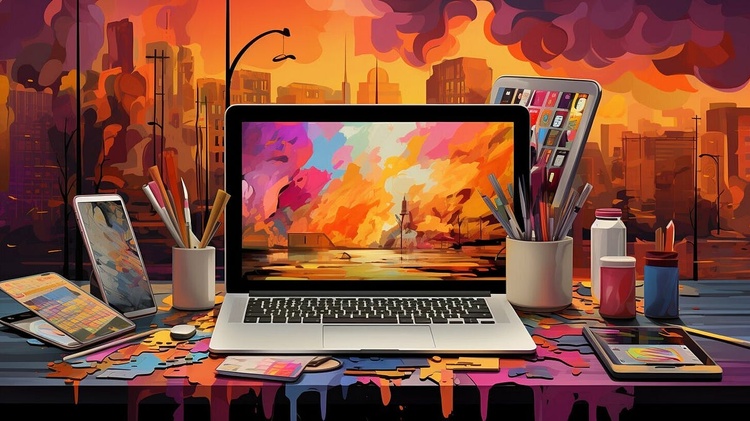
Graphic arts encompass a range of crafts, techniques, and professions involved in the creation, design, preparation, and reproduction of visual elements and text on various substrates, such as paper, plastic, fabric, or metal. Although historically linked to the invention of the printing press, the field today encompasses both traditional analog methods and modern digital technologies, serving as the cornerstone of the publishing, advertising, packaging, and visual communication industries.
Graphic Arts Processes
The production of any graphic project—from a business card to a magazine or complex packaging—is systematically divided into three major, interconnected phases:
1. Prepress (Design and Preparation)
This is the initial, strategic stage where a project is conceptualized and prepared before moving to the production machinery. It includes:
Graphic design and layout: Visual creation and the arrangement of text and images.
Color management and retouching: Adjusting color profiles (CMYK) and resolution to ensure final quality.
File preparation (Final artwork): Generating technical documents (typically high-resolution PDFs) and, in the case of traditional systems, the exposure or engraving of the plates, screens, or film positives/negatives used on printing presses.
2. Printing (Production)
This is the mechanical or digital process by which an image or text is transferred onto the final substrate. The most prominent systems include:
Offset printing: Uses rollers and aluminum plates, based on the principle of repulsion between water and oil-based ink. It is the undisputed standard for large print runs (such as books or brochures) due to its high quality and low cost per unit.
Digital printing: Involves printing directly from a digital file (using inkjet or laser toner technology). It is ideal for short, fast, and customized print runs.
Flexography: Uses flexible relief plates and quick-drying inks. It is the dominant system for printing packaging, bags, and labels.
Screen printing (Serigraphy): Ink is transferred through a tensioned mesh. It is highly versatile and used for textiles (T-shirts), signage, and irregular surfaces.
3. Post-press (Finishing and Binding)
Once the ink is on the paper, the material moves to the final phase to achieve its definitive appearance. This phase includes:
Physical handling: Guillotine cutting, folding, collating (organizing the sheets of a book), and creasing.
Binding: Joining the sheets together using staples, thread (sewn binding), or special adhesives (perfect binding or PUR).
Special finishes (Enhancements): Processes that add tactile and visual value to the product, such as lamination (matte or gloss), UV varnishes, die-cutting (custom-shaped cuts), metallic foil stamping (gold/silver), or embossing (debossing/relief).
In conclusion, the graphic arts represent a highly specialized production chain where creative design meets industrial technical precision to bring to life the visual messages we consume every day.
Latest

Publications
- October 28, 2026
Green Building: Guidebook for Sustainable Architecture
Gallery
- October 28, 2026
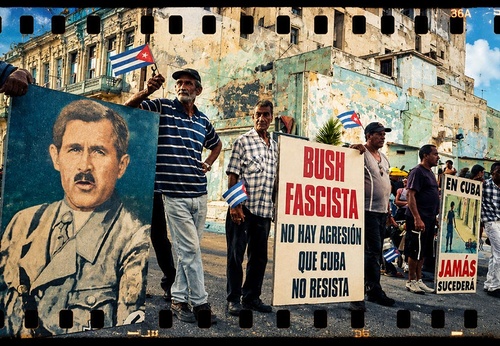
Revolution in Frames: Cuba by Carl Oelerich (USA)
Article
- October 28, 2026
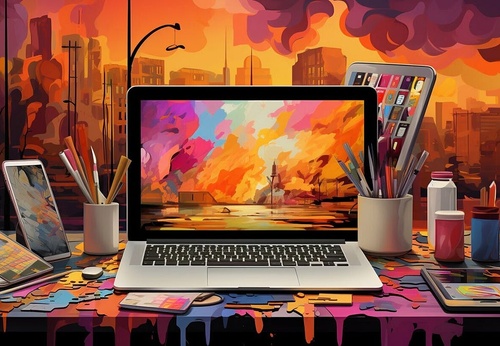
The World of Graphic Arts: Definition and Production Processes
News
- October 28, 2026
Art Basel Miami Beach 2026 Revamp
News
- October 28, 2026
Excitement Surrounds Frida Kahlo’s Work at MALBA
Gallery
- October 28, 2026
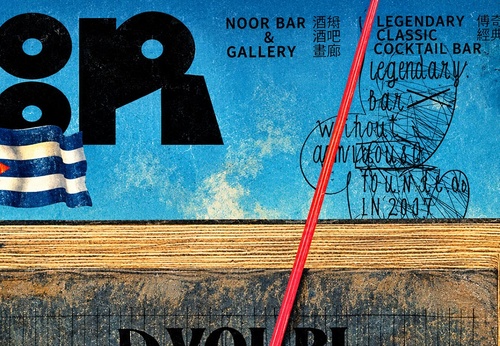
Glaser: The Magician of Form & Color in Posters
Gallery
- October 28, 2026
Gallery of Typographic Posters by Igor Gurovich – Armenia

Publications
Publications
- October 28, 2026
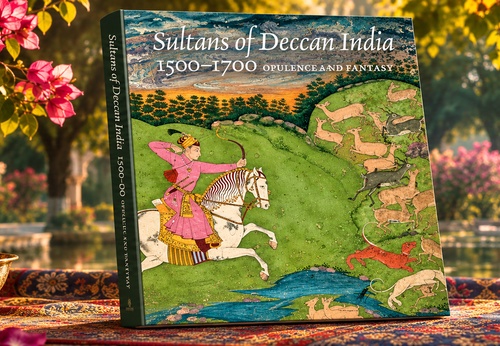
Sultans of Deccan India: 1500–1700 — Opulence and Fantasy

- October 28, 2026
The World of Graphic Arts: Definition a…
- October 27, 2026
Sustainable Art: Transforming Waste int…

- October 27, 2026
The Timeless Magic of Black-and-White P…
- October 26, 2026
The Hidden Language of Abstract Art: A …

- October 26, 2026
The Evolution of Digital Art: The Canva…
- October 25, 2026
The Magic of Light and Color

- October 24, 2026
Roots and the Avant-Garde: The Fusion o…

- October 24, 2026
The Renaissance of Urban Art: Beyond Gr…
- October 21, 2026
Guatemala: Mayan Art, Protest, and the …

- October 21, 2026
Honduras: Art, Migration, and the Voice…

- October 20, 2026
A Mural Telling the Story of Afro-Carib…
- October 20, 2026
Panama: Art, Transit, and the Crossroad…

- October 18, 2026
Dominican Republic: Art, Diaspora, and …
- October 16, 2026
Uruguay: Torres García, Constructivism,…
- October 16, 2026
Venezuela: Kinetic Art, Modernity, and …

- October 12, 2026
Artificial Intelligence in the Art Worl…

- October 12, 2026
Art and Artificial Intelligence: A New …

- October 11, 2026
The Future of Artists in the Age of Art…

- October 11, 2026
Artificial intelligence and art: creati…
- October 08, 2026
Peru: Indigenism, Photography, and the …
- August 29, 2023
The history of Bolivian art

- February 19, 2024
Analysis and meaning of Van Gogh's Star…
- January 28, 2024
Culture and Art in Argentina

- September 25, 2023
What is the importance of art in human …

- September 23, 2023
What is paint?

- August 23, 2023
The 11 types of art and their meanings
- August 10, 2023
14 questions and answers about the art …

- September 23, 2023
Painting characteristics
- August 30, 2023
First artistic manifestations
- January 12, 2024
10 most beautiful statues and sculpture…
- October 18, 2023
History of sculpture
- September 23, 2023
History of painting
- March 26, 2024
The importance of technology in art1
- November 21, 2024
History of Visual Arts

- April 06, 2024
History of visual arts in Ecuador

- July 13, 2024
The impact of artificial intelligence o…
- March 26, 2024
Cultural identity and its impact on art…
- August 27, 2023
The history of art Mexico

- December 20, 2024
What is art? Definition, concept and ar…
- April 07, 2024
Graffiti in Latin American culture
- February 19, 2024
Analysis and meaning of Van Gogh's Star…

- August 13, 2023
9 Latino painters and their great contr…
- August 23, 2023
The 11 types of art and their meanings
- August 27, 2023
15 main works of Van Gogh
- August 10, 2023
14 questions and answers about the art …
- August 29, 2023
The history of Bolivian art
- January 28, 2024
Culture and Art in Argentina

- November 06, 2023
5 Latin American artists and their works
- September 23, 2023
Painting characteristics
- September 23, 2023
What is paint?
- September 25, 2023
What is the importance of art in human …
- August 30, 2023
First artistic manifestations
- March 26, 2024
Cultural identity and its impact on art…
- December 18, 2023
10 iconic works by Oscar Niemeyer, geni…

- January 26, 2025
10 of the best Bolivian painters

- August 24, 2023
The most famous image of Ernesto "Che" …
- January 12, 2024
10 most beautiful statues and sculpture…

- January 20, 2024
What is the relationship between art an…
- May 26, 2024
Técnicas de artes visuais
- November 21, 2024
History of Visual Arts