Art in Venezuela
Art in Venezuela: From Academic Tradition to Kinetic Art and the Diaspora
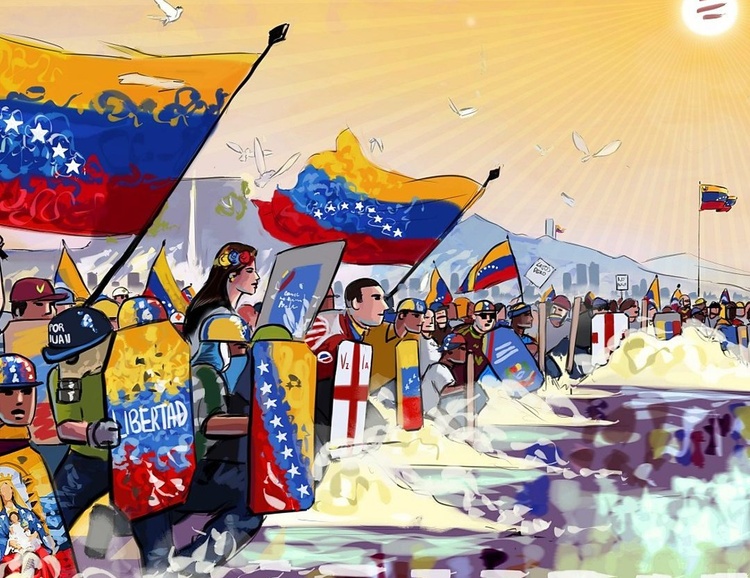
Venezuelan art followed a trajectory that evolved from colonial religious painting to becoming one of the world’s epicenters for kinetic art. During the 17th and 18th centuries, artistic production was dominated by religious themes and commissioned portraits, featuring figures such as Juan Pedro López and the Landaeta School. Following independence, Juan Lovera ushered in the era of republican painting with historical works like *The Signing of the Declaration of Independence* (1838), while in the second half of the 19th century, Martín Tovar y Tovar and Arturo Michelena achieved a high level of academic refinement through their historical compositions and portraits.
The true leap toward modernity occurred in the early 20th century with the *Círculo de Bellas Artes* (Fine Arts Circle)—a group of young artists who broke away from academic canons and paved the way for a new artistic approach. From this group emerged a foundational figure of Venezuelan modern painting: Armando Reverón (1889–1954), whose obsession with tropical light led him to develop his "blue," "white," and "sepia" periods, and to construct his legendary *Castillete* (little castle) in Macuto. Alongside him, Federico Brandt, Luis Alfredo López Méndez, and Manuel Cabré explored landscapes, nudes, and still lifes with a fresh sensibility.
The second half of the 20th century saw the rise of the movement that would come to define Venezuela within the global art landscape: kinetic art. Jesús Rafael Soto, Carlos Cruz-Diez, and Alejandro Otero transformed the relationship between the viewer and the artwork, creating pieces that demand active participation and the perception of movement. The University City of Caracas, designed by Carlos Raúl Villanueva as a "synthesis of the arts," integrated monumental works by these artists and was designated a UNESCO World Heritage Site in 2000. In recent decades, the economic and political crisis has profoundly impacted the Venezuelan artistic ecosystem, leading to the deterioration of iconic institutions and a significant diaspora of artists. Nevertheless, creativity persists both within and outside the country. Recent exhibitions at the Alejandro Otero Museum in Caracas—such as *Fibra inquieta: el lenguaje textil en el arte contemporáneo* (2025), which brought together fourteen Venezuelan artists exploring textiles as a medium of expression—demonstrate that Venezuelan art continues to seek new languages while connecting with its ancestral roots. Artists such as Carolina Vollmer, whose installation *Raíces y Fibra* incorporates textiles from the Warao, Yekuana, and Wayuu Indigenous communities, continue to weave a dialogue between tradition and the contemporary.
Latamarte
Latest
Article
- November 03, 2026
Art in Venezuela
Article
- November 03, 2026
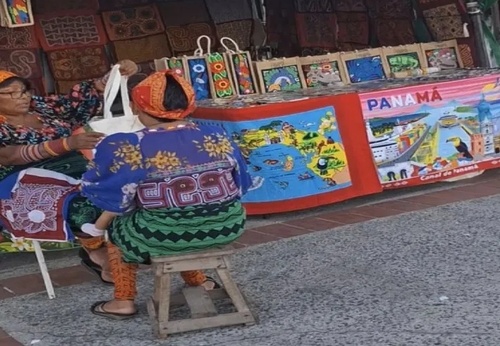
Art in Panama
Daily Artwork
- November 03, 2026
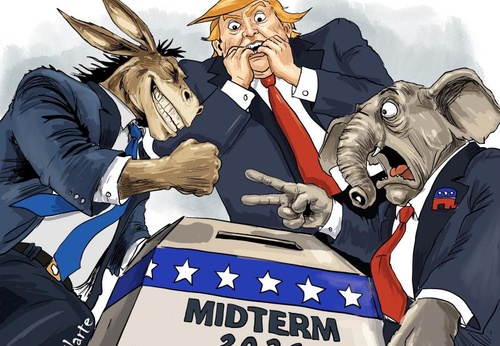
Electoral game
Publications
- November 03, 2026
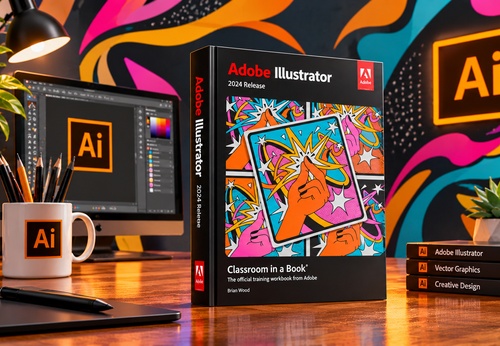
Adobe Illustrator Classroom by Brian Wood
Publications
- November 03, 2026
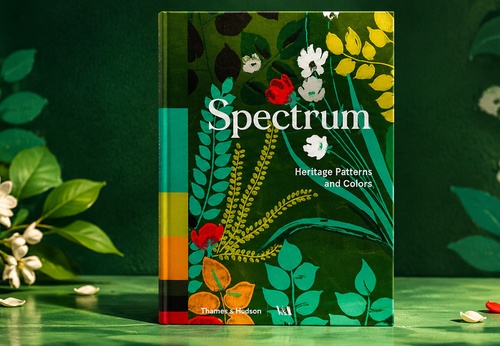
Spectrum: Heritage Patterns and Colors
Article
- November 02, 2026
From Brazil to the World: The Global Reach of Brazilian Muralists
Article
- November 02, 2026
The Revolution of Colors: The Social Role of Urban Art in Brazil
Publications
- November 02, 2026
THE END OF POLIO | Sebastião Salgado
Daily Artwork
- November 02, 2026
humanity paths of humanity
- November 03, 2026
Art in Venezuela
- November 03, 2026
Art in Panama
- November 02, 2026
From Brazil to the World: The Global Re…
- November 02, 2026
The Revolution of Colors: The Social Ro…
- November 01, 2026
Tarsila do Amaral and the Colors of Bra…
- November 01, 2026
Beco do Batman: The Vibrant Heart of Ur…
- October 29, 2026
Women in Latin American Art: Identity, …

- October 28, 2026
The World of Graphic Arts: Definition a…
- October 27, 2026
Sustainable Art: Transforming Waste int…

- October 27, 2026
The Timeless Magic of Black-and-White P…
- October 26, 2026
The Hidden Language of Abstract Art: A …

- October 26, 2026
The Evolution of Digital Art: The Canva…

- October 25, 2026
The Magic of Light and Color

- October 24, 2026
Roots and the Avant-Garde: The Fusion o…
- October 24, 2026
The Renaissance of Urban Art: Beyond Gr…

- October 21, 2026
Guatemala: Mayan Art, Protest, and the …

- October 21, 2026
Honduras: Art, Migration, and the Voice…

- October 20, 2026
A Mural Telling the Story of Afro-Carib…
- October 20, 2026
Panama: Art, Transit, and the Crossroad…

- October 18, 2026
Dominican Republic: Art, Diaspora, and …
- August 29, 2023
The history of Bolivian art
- February 19, 2024
Analysis and meaning of Van Gogh's Star…
- January 28, 2024
Culture and Art in Argentina

- September 25, 2023
What is the importance of art in human …

- September 23, 2023
What is paint?

- August 23, 2023
The 11 types of art and their meanings
- August 10, 2023
14 questions and answers about the art …

- September 23, 2023
Painting characteristics
- August 30, 2023
First artistic manifestations
- January 12, 2024
10 most beautiful statues and sculpture…
- October 18, 2023
History of sculpture
- September 23, 2023
History of painting
- November 21, 2024
History of Visual Arts

- March 26, 2024
The importance of technology in art1

- April 06, 2024
History of visual arts in Ecuador

- July 13, 2024
The impact of artificial intelligence o…
- March 26, 2024
Cultural identity and its impact on art…
- August 27, 2023
The history of art Mexico

- December 20, 2024
What is art? Definition, concept and ar…
- April 07, 2024
Graffiti in Latin American culture
- February 19, 2024
Analysis and meaning of Van Gogh's Star…

- August 13, 2023
9 Latino painters and their great contr…
- August 23, 2023
The 11 types of art and their meanings
- August 27, 2023
15 main works of Van Gogh
- August 10, 2023
14 questions and answers about the art …
- August 29, 2023
The history of Bolivian art
- January 28, 2024
Culture and Art in Argentina
- November 06, 2023
5 Latin American artists and their works
- September 23, 2023
Painting characteristics
- September 23, 2023
What is paint?
- September 25, 2023
What is the importance of art in human …
- August 30, 2023
First artistic manifestations
- March 26, 2024
Cultural identity and its impact on art…

- January 26, 2025
10 of the best Bolivian painters
- December 18, 2023
10 iconic works by Oscar Niemeyer, geni…

- August 24, 2023
The most famous image of Ernesto "Che" …
- January 12, 2024
10 most beautiful statues and sculpture…
- May 26, 2024
Técnicas de artes visuais
- January 20, 2024
What is the relationship between art an…
- November 21, 2024
History of Visual Arts