Art in Panama: Cultural Resistance and Afro-Caribbean Memory
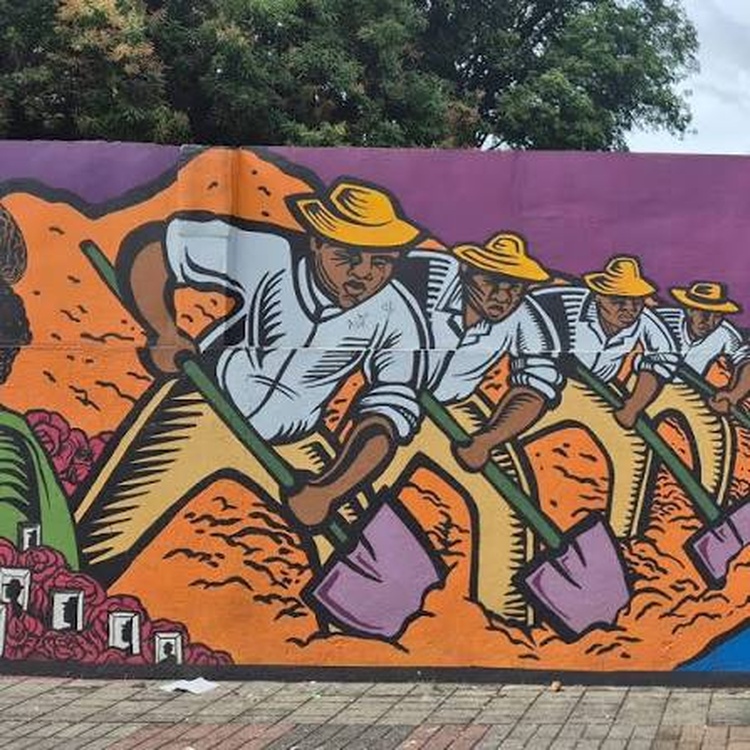
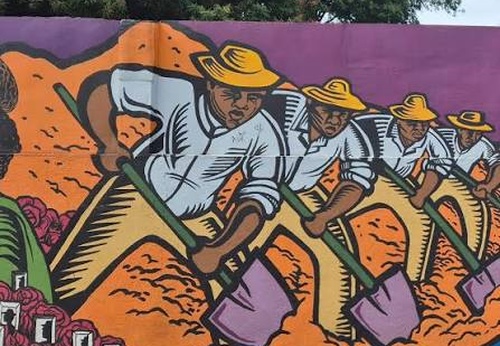
Contemporary Panamanian art cannot be understood without the imprint of the Afro-Caribbean community, whose arrival in the isthmus—first for the construction of the Railroad and then the Canal—transformed not only the country's demographics and economy, but also its visual landscape and collective memory. The artist Martanoemí Noriega has dedicated a fundamental part of her work to making this heritage visible, and her mural for the Afro-Caribbean Museum of Panama is an eloquent testament to this. The work, which covers the perimeter wall of the cultural center, narrates, in scenes divided by color, the integration and contributions of Afro-Caribbeans to national development. One of the panels is dedicated, in Noriega's own words, to "the great invisibles of official history: Afro-Caribbean women," whose work has been systematically silenced by traditional historiography. This mural not only beautifies the public space; it constructs a visual archive of dignity and recognition.
Panamanian artistic tradition is also deeply rooted in its indigenous cultures. The mola, a textile art form of the Guna people, is perhaps the most internationally recognized expression of Panamanian artistic genius. Crafted using the reverse appliqué technique with multiple layers of sewn and cut fabric, the mola originated from the tradition of body painting with geometric designs and evolved into complex compositions that are now celebrated as textile art. Alongside it, the pintao hat—declared an Intangible Cultural Heritage of Humanity by UNESCO in 2017—demonstrates the vitality of artisanal traditions that engage with modernity.
On an institutional level, the Museum of Contemporary Art of Panama (MAC Panama) has established itself as a key platform for emerging talent. Its Young Artists Award has supported artists such as Milko Delgado, whose exhibition, Eternal Blooming of an Enchanted Body, explores, from his non-binary perspective, the structures that order our lives. Likewise, artists like Donna Conlon and Jonathan Harker have brought the Panamanian art scene to international circuits, addressing geopolitics and social dynamics through humor and critique. Panamanian art is, ultimately, a tapestry of memories—Indigenous, African, European—that resists oblivion and asserts itself in contemporary creation.
Latamarte
Latest
Article
- November 11, 2026
Art in Venezuela: Public Space, Social Commitment, and New Voices
Daily Artwork
- November 11, 2026
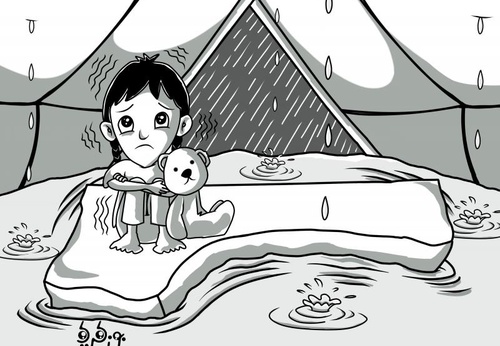
Gaza’s Recurring Winter Ordeal
Artist
- November 11, 2026
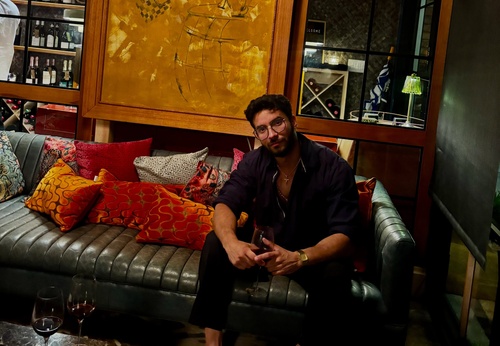
Gustavo Andrade
Publications
- November 11, 2026
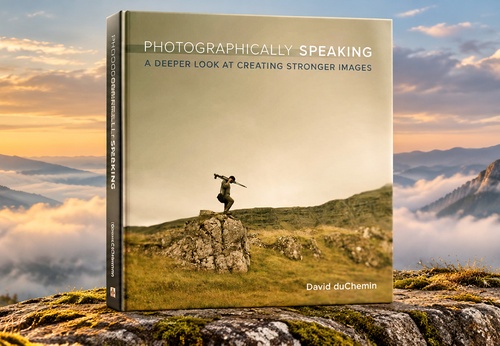
PHOTOGRAPHICALLY SPEAKING: A DEEPER LOOK AT CREATING STRONGER IMAGES
Gallery
- November 11, 2026
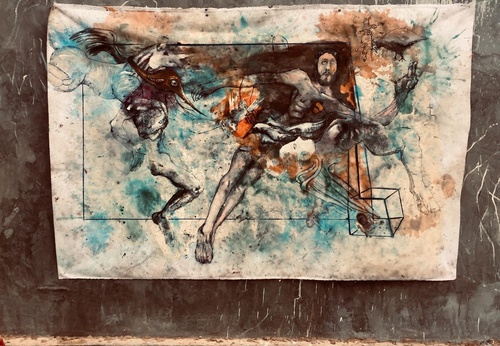
Gallery Of Illustration By Gustavo Andrade - Venezuela
Gallery
Publications
- November 11, 2026
The Art of the Secret World of Arrietty
Article
- November 11, 2026
Art in Panama: Cultural Resistance and Afro-Caribbean Memory
Publications
- November 10, 2026
Outdoor Photography | 2020, Issue 2
- November 11, 2026
Art in Venezuela: Public Space, Social …
- November 11, 2026
Art in Panama: Cultural Resistance and …
- November 10, 2026
Our North is the South: Universal Const…

- November 10, 2026
Magical Realism Beyond the Page: Latin …
- November 09, 2026
Art as Resistance: When Creation Transf…
- November 09, 2026
Art in the Digital Age: Between Creativ…
- November 08, 2026
AI and Identity in Latin American Art

- November 08, 2026
AI and Latin American Visual Heritage
- November 07, 2026
The Rise of Contemporary Indigenous Art…

- November 07, 2026
Neoconcretism: When Art Invites Touch

- November 06, 2026
Microsoft Introduces a Font Inspired by…
- November 06, 2026
Latin American Artists: From 1785 to Now
- November 05, 2026
The Power of Figurative Art in the Expr…

- November 05, 2026
The Pioneering Spirit of Argentine Kine…
- November 04, 2026
Threads of History: The Ancient Art of …
- November 04, 2026
The Legacy of Mexican Muralism
- November 03, 2026
Art in Venezuela
- November 03, 2026
Art in Panama
- November 02, 2026
From Brazil to the World: The Global Re…
- November 02, 2026
The Revolution of Colors: The Social Ro…
- August 29, 2023
The history of Bolivian art
- February 19, 2024
Analysis and meaning of Van Gogh's Star…
- January 28, 2024
Culture and Art in Argentina

- September 25, 2023
What is the importance of art in human …

- September 23, 2023
What is paint?

- August 23, 2023
The 11 types of art and their meanings

- September 23, 2023
Painting characteristics
- August 10, 2023
14 questions and answers about the art …
- August 30, 2023
First artistic manifestations
- January 12, 2024
10 most beautiful statues and sculpture…
- September 23, 2023
History of painting
- October 18, 2023
History of sculpture
- November 21, 2024
History of Visual Arts

- March 26, 2024
The importance of technology in art1

- April 06, 2024
History of visual arts in Ecuador

- July 13, 2024
The impact of artificial intelligence o…
- August 27, 2023
The history of art Mexico
- March 26, 2024
Cultural identity and its impact on art…
- April 07, 2024
Graffiti in Latin American culture

- December 20, 2024
What is art? Definition, concept and ar…
- February 19, 2024
Analysis and meaning of Van Gogh's Star…

- August 13, 2023
9 Latino painters and their great contr…
- August 23, 2023
The 11 types of art and their meanings
- August 27, 2023
15 main works of Van Gogh
- August 10, 2023
14 questions and answers about the art …
- August 29, 2023
The history of Bolivian art
- January 28, 2024
Culture and Art in Argentina
- November 06, 2023
5 Latin American artists and their works
- September 23, 2023
Painting characteristics
- September 23, 2023
What is paint?
- September 25, 2023
What is the importance of art in human …
- August 30, 2023
First artistic manifestations
- March 26, 2024
Cultural identity and its impact on art…

- January 26, 2025
10 of the best Bolivian painters
- December 18, 2023
10 iconic works by Oscar Niemeyer, geni…

- August 24, 2023
The most famous image of Ernesto "Che" …
- January 12, 2024
10 most beautiful statues and sculpture…
- May 26, 2024
Técnicas de artes visuais
- November 21, 2024
History of Visual Arts
- January 20, 2024
What is the relationship between art an…