AI and Identity in Latin American Art
New Frontiers of Creativity: Challenges of Artificial Intelligence and Identity in Contemporary Latin American Art
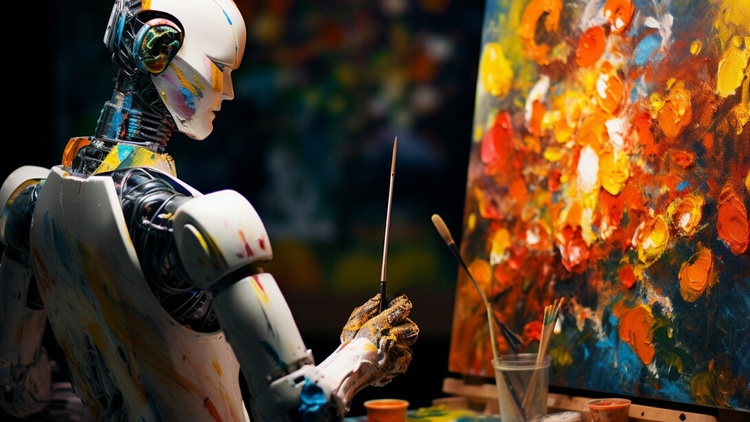
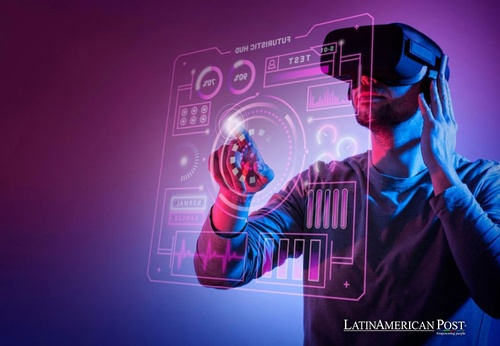
The introduction of artificial intelligence into the field of visual arts in Latin America has not only created innovative opportunities but has also brought about profound challenges regarding identity, algorithmic bias, and the concept of artistic authenticity. While image-generation tools like Midjourney and DALL-E are widely available, artists and art critics in the region are exploring the cultural implications of using these global databases.
Decolonizing Algorithms: One of the greatest challenges for Latin American artists is the bias present in artificial intelligence. Most of these models have been trained on data from Western and European art; consequently, they tend to fall into stereotypes when representing the faces, landscapes, and cultural concepts of Latin America. In response, groups of local programmers and artists are creating datasets dedicated to regional art, aiming to develop more accurate, homegrown algorithms that truly reflect the continent’s racial and cultural diversity.
Crisis of Authorship and Intellectual Property: In a region where art has long served as a tool for expressing social, political, and personal realities, the production of art by machines has sparked numerous philosophical debates. Who owns a work created by a machine based on a combination of thousands of paintings by classic Latin American artists? Galleries in cities such as Buenos Aires and São Paulo are organizing expert panels to redefine copyright in the age of AI.
The Future of the Artistic Ecosystem: The Latin American art market is adapting to this new wave. Hybrid (physical-virtual) exhibitions are on the rise, showcasing works created with AI alongside traditional oil paintings. The goal of these exhibitions is not to set humans against machines, but rather to explore how the Latin American creative mind can generate synergies with the processing capabilities of computers.
This artistic movement reflects an intellectual maturity within the Latin American visual arts scene—a space where artists, rather than passively accepting technology, challenge and reinvent it to suit their own needs and concerns regarding identity.
Latamarte
Latest
Article
- November 08, 2026
AI and Identity in Latin American Art
Article
- November 08, 2026
AI and Latin American Visual Heritage
News
- November 08, 2026
MOLAA Celebrates 30 Years of Latin American Art and Comics in California
Artist
- November 08, 2026
Ahmad Qaddura
Gallery
- November 08, 2026
Gallery Of Humor Drawing By Ahmad Qaddura - Palestine_2
News
- November 08, 2026
The Art Market in Madrid
News
- November 08, 2026
iPad Users Finally Get a Free Alternative to Adobe
News
- November 08, 2026
Quixel Megascans Becomes Free for Unlimited Access
- November 08, 2026
AI and Identity in Latin American Art

- November 08, 2026
AI and Latin American Visual Heritage

- November 07, 2026
The Rise of Contemporary Indigenous Art…

- November 07, 2026
Neoconcretism: When Art Invites Touch

- November 06, 2026
Microsoft Introduces a Font Inspired by…
- November 06, 2026
Latin American Artists: From 1785 to Now
- November 05, 2026
The Power of Figurative Art in the Expr…

- November 05, 2026
The Pioneering Spirit of Argentine Kine…
- November 04, 2026
Threads of History: The Ancient Art of …
- November 04, 2026
The Legacy of Mexican Muralism
- November 03, 2026
Art in Venezuela
- November 03, 2026
Art in Panama
- November 02, 2026
From Brazil to the World: The Global Re…
- November 02, 2026
The Revolution of Colors: The Social Ro…

- November 01, 2026
Tarsila do Amaral and the Colors of Bra…

- November 01, 2026
Beco do Batman: The Vibrant Heart of Ur…
- October 29, 2026
Women in Latin American Art: Identity, …

- October 28, 2026
The World of Graphic Arts: Definition a…
- October 27, 2026
Sustainable Art: Transforming Waste int…

- October 27, 2026
The Timeless Magic of Black-and-White P…
- August 29, 2023
The history of Bolivian art
- February 19, 2024
Analysis and meaning of Van Gogh's Star…
- January 28, 2024
Culture and Art in Argentina

- September 25, 2023
What is the importance of art in human …

- September 23, 2023
What is paint?

- August 23, 2023
The 11 types of art and their meanings

- September 23, 2023
Painting characteristics
- August 10, 2023
14 questions and answers about the art …
- August 30, 2023
First artistic manifestations
- January 12, 2024
10 most beautiful statues and sculpture…
- September 23, 2023
History of painting
- October 18, 2023
History of sculpture
- November 21, 2024
History of Visual Arts

- March 26, 2024
The importance of technology in art1

- April 06, 2024
History of visual arts in Ecuador

- July 13, 2024
The impact of artificial intelligence o…
- August 27, 2023
The history of art Mexico
- March 26, 2024
Cultural identity and its impact on art…
- April 07, 2024
Graffiti in Latin American culture

- December 20, 2024
What is art? Definition, concept and ar…
- February 19, 2024
Analysis and meaning of Van Gogh's Star…

- August 13, 2023
9 Latino painters and their great contr…
- August 23, 2023
The 11 types of art and their meanings
- August 27, 2023
15 main works of Van Gogh
- August 10, 2023
14 questions and answers about the art …
- August 29, 2023
The history of Bolivian art
- January 28, 2024
Culture and Art in Argentina
- November 06, 2023
5 Latin American artists and their works
- September 23, 2023
Painting characteristics
- September 23, 2023
What is paint?
- September 25, 2023
What is the importance of art in human …
- August 30, 2023
First artistic manifestations
- March 26, 2024
Cultural identity and its impact on art…

- January 26, 2025
10 of the best Bolivian painters

- December 18, 2023
10 iconic works by Oscar Niemeyer, geni…

- August 24, 2023
The most famous image of Ernesto "Che" …
- January 12, 2024
10 most beautiful statues and sculpture…
- May 26, 2024
Técnicas de artes visuais
- November 21, 2024
History of Visual Arts
- January 20, 2024
What is the relationship between art an…