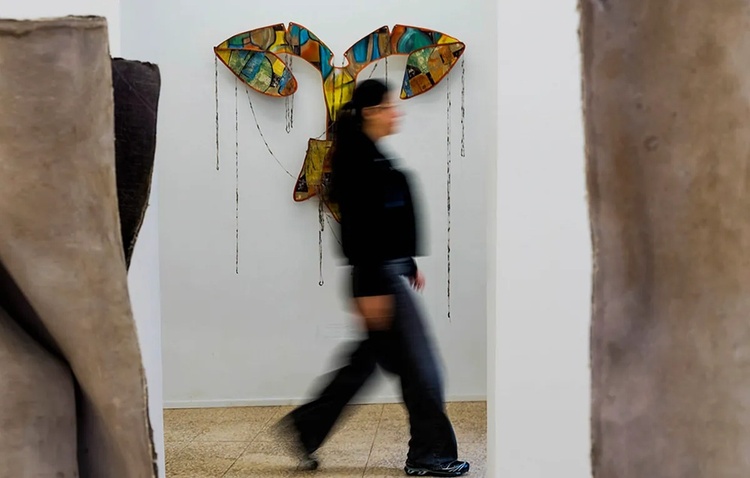
The Art Market in Madrid
Wealthy Latin Americans are revolutionizing the art market in Madrid: "They are more impulsive; they arrive with the decision to buy, even before stepping inside—often deciding right from the storefront window."
A new generation of galleries has emerged in the capital, tailored to the Latin American community in the Barrio de Salamanca. "They are impulsive clients. They buy right from the storefront window."
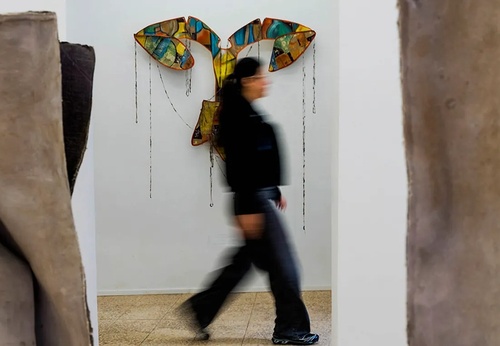
At least 14 art galleries—founded by Latin American professionals and often serving as branches of galleries already active in Mexico City, Lima, Bogotá, or Buenos Aires—have opened their doors in Madrid. These include Crisis, La Cometa, Villa Magdalena, El Apartamento, Bombón, Hilario Galguera, Fernando Pradilla, Iberoamérica Art Gallery, and Yuri López Kullins. This boom in Latin American art reflects the impact of Latin American expatriates who, over the last decade, have chosen to reside in Spain—drawn by the country’s safety, public services, and affordability, as well as the emergence of a cultural scene specifically designed for them.
"When someone leaves their home country to settle elsewhere, they feel a need to showcase their history—to share where they come from and their cultural roots," explains Paloma Jaramillo, a Colombian national and director of La Cometa in Madrid. "Art is a way to maintain that connection. I’d say our clientele is 20% Spanish and 80% Latin American—and by 'Latin American,' I mean from anywhere in the Americas, from Argentina to Mexico, and even the United States. We have a higher number of Colombians, which is natural given our personal networks, but our Latin American clients identify with us regardless of where they are from."
"Many Latin Americans have purchased homes in Madrid over the past few years. Some were already clients of ours back in Mexico, and we’ve reconnected with them here in Spain," says Paloma García-Moreno, director of the Madrid branch of Galería Hilario Galguera, which originated in Mexico City. "We also have European clients—Germans and Belgians—who are looking for Latin American art; for them, it is much easier to travel to Madrid than to Mexico. Spanish clients, by contrast, are few and far between for us. Engaging with institutions, meanwhile, is notably difficult."
The remarks from Jaramillo and García-Moreno encapsulate the situation facing Latin American galleries: as is well known, wealthy Latin Americans who once settled in Miami are now moving to Spain—a country often romanticized as the land of their ancestors, where high-end real estate remains more affordable than in Florida, and the lifestyle is more agreeable.
According to data from the INE (National Statistics Institute), 29,000 Latin American citizens reside in Madrid’s Barrio de Salamanca. While not all of them are wealthy or art collectors, there is a critical mass sufficient to have drawn the galleries that served them back home across the Atlantic. Furthermore, these affluent Latin Americans have new homes to furnish; they must adapt to the social norms of this "new-yet-old" world, while simultaneously seeking out artworks from their home countries—pieces that serve as a reminder of their origins and their personal history.
That, in short, is the situation. Álvaro de Benito serves as the European correspondent for *Arte al Día International*, a magazine dedicated to Latin American art that also promotes art fairs throughout the Hispanic world. Drawing on his professional experience, he offers further insight: "Twenty years ago, there was only one Latin American gallery owner in Madrid: Fernando Pradilla, from Colombia. He brought contemporary Latin American art—works by established artists—and he continues to do so today. The real surge began six or seven years ago. Latin American galleries have sought a presence in Madrid, much as South African galleries have sought one in London. There is a sort of neocolonial trend at play, drawing great fortunes back toward the former imperial center." “Sometimes, setting up here doesn’t make great financial sense, nor does it offer an immediate, direct benefit. The investment is more about being close to the artists and to ARCO, being part of the circuit, and getting to know the institutions.”
read more
Latest
Artist
- November 08, 2026
Ahmad Qaddura
Gallery
- November 08, 2026
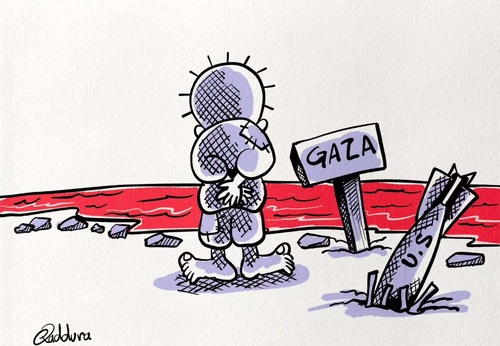
Gallery Of Humor Drawing By Ahmad Qaddura - Palestine_2
News
- November 08, 2026
The Art Market in Madrid
News
- November 08, 2026
iPad Users Finally Get a Free Alternative to Adobe
News
- November 08, 2026
Quixel Megascans Becomes Free for Unlimited Access

Daily Artwork
Publications
- November 08, 2026
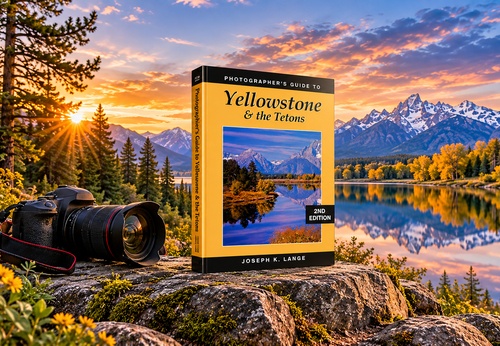
Photographer’s Guide to Yellowstone and the Tetons
Publications
- November 08, 2026
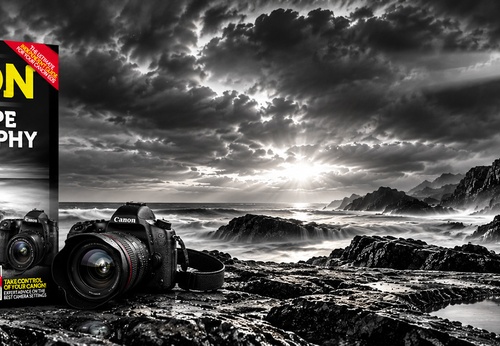
THE CANON GUIDE TO LANDSCAPE PHOTOGRAPHY
Article
- November 07, 2026
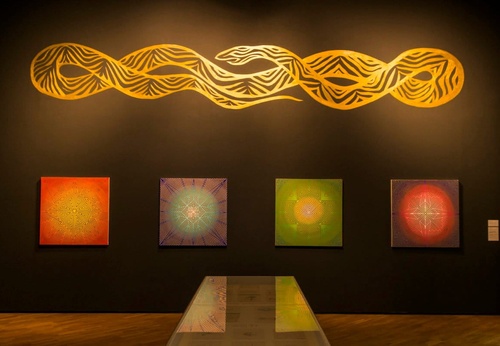
The Rise of Contemporary Indigenous Art in Brazil
- November 08, 2026
The Art Market in Madrid
- November 08, 2026
iPad Users Finally Get a Free Alternati…

- November 08, 2026
Quixel Megascans Becomes Free for Unlim…

- November 05, 2026
Newsweek: Politics – A Troubling Vision…

- November 05, 2026
he New Yorker Celebrates the Democrats’…

- October 31, 2026
35th Edition of arteba at La Rural
- October 31, 2026
The Art of Picasso, Klee, and Matisse A…
- October 29, 2026
Malba Announces the Acquisition of the …
- October 28, 2026
Art Basel Miami Beach 2026 Revamp
- October 28, 2026
Excitement Surrounds Frida Kahlo’s Work…

- October 27, 2026
Eduardo Costantini to be honored in New…
- October 26, 2026
Latin American Art Takes Center Stage a…

- October 25, 2026
Julio Cortázar Museum brings together w…
- October 04, 2026
MALBA in Buenos Aires Celebrates 25 Yea…
- August 26, 2026
The Passing of Sliman Mansour: An Artis…
- August 13, 2026
Botero Returns to New York to Revisit t…
- August 11, 2026
"Malba-Costantini Collection: Latin Ame…
- August 10, 2026
The Most Important Exhibition on the Me…

- August 06, 2026
Cau Gomez Launches Official Website
- July 04, 2026
Football and Art at Museo Jumex

- October 08, 2023
Illustrations reflect the brutal Israel…

- December 25, 2023
The jury statement of the Iran-Brazil F…

- July 29, 2023
History of Caricature in Brazil

- June 05, 2026
“Noise” Wins Award and Expands Internat…

- March 21, 2024
The history of art in Palestine
- September 01, 2023
Neural Filters in new photoshop 2023
- May 22, 2025
Brady Izquierdo’s Personal Exhibition O…

- April 20, 2024
Poignant Image of Grief Wins Mohammed S…

- October 21, 2023
Erick Meyenberg and Tania Ragasol at th…

- May 15, 2024
Eleven murals for Gaza painted across t…
- June 29, 2024
Exhibition at Centro MariAntonia contra…
- February 18, 2024
7 Ways to Understand What Visual Arts A…
- August 09, 2023
Venezuela mural expresses solidarity wi…

- March 14, 2024
museum of statue of van gogh

- May 25, 2025
Bordalo II to hold exhibition in Paris …

- May 20, 2024
Latin American Festival of Performing A…
- March 30, 2024
illustration websites in Latin America
- March 15, 2024
museum of sculpture of Salvador Dali

- June 03, 2026
Julio Le Parc, artist of light and move…
- May 27, 2025
Works by Botero, Grau, and 80 other imp…
- May 15, 2024
Eleven murals for Gaza painted across t…
- February 18, 2024
7 Ways to Understand What Visual Arts A…

- February 03, 2024
THE HISTORY OF NAIF ART

- January 02, 2025
13 commemorations that will mark the cu…

- July 02, 2024
One of the largest urban art galleries …

- October 17, 2023
The influence of Latin American artists…
- October 08, 2023
Illustrations reflect the brutal Israel…

- November 17, 2023
Fernando Botero's work is booming after…
- July 29, 2023
Piracicaba International Humor Exhibiti…
- December 25, 2023
The jury statement of the Iran-Brazil F…
- November 06, 2023
Heba Zagout: Palestinian artist murdere…

- December 10, 2023
Sliman Mansour and Palestinian art on t…
- March 14, 2024
museum of statue of van gogh
- March 21, 2024
The history of art in Palestine
- February 01, 2025
A maior exposição de Botero em Barcelona

- February 08, 2024
Art Week 2024 in CDMX
- April 20, 2024
Poignant Image of Grief Wins Mohammed S…
- July 20, 2024
First International Mail Art Biennial 2…

- October 30, 2023
Palestinian turns images of the Gaza co…
- September 01, 2023
Neural Filters in new photoshop 2023