
AI and Latin American Visual Heritage
Artificial Intelligence and the Revitalization of Cultural Heritage in Latin American Visual Arts
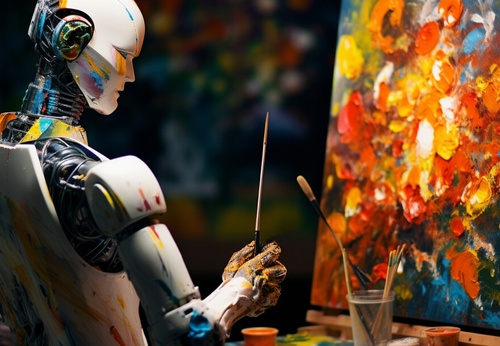
The integration of artificial intelligence into the visual arts in Latin America has created a new platform for recreating and preserving the region’s rich cultural heritage. Contemporary artists in countries such as Mexico, Brazil, and Peru are using machine learning algorithms to connect pre-Columbian history and Indigenous traditions with modern technologies. This approach has not only given rise to a new artistic format but also serves as a tool for cultural resistance, helping to keep historical identities alive in the digital age.
Recreating Indigenous Patterns: By feeding artificial neural networks—specifically Generative Adversarial Networks (GANs)—with images of traditional textiles, ancient ceramics, and motifs from the Maya and Inca civilizations, many digital artists are creating works that translate age-old forms into abstract, modern formats. This process results in the production of images and three-dimensional sculptures that are rooted in the past yet infused with a futuristic aesthetic.
Digital and Living Archives: AI is assisting museums and galleries across Latin America in virtually reconstructing works that have been destroyed or lost. By utilizing historical data and textual descriptions, artists can produce accurate representations of vanished colonial-era artworks or looted pieces, thereby restoring the region’s visual memory.
Human-Machine Interaction in Muralism: Muralism—which originated in Mexico and remains a cornerstone of Latin American art—is now being combined with artificial intelligence. Artists use generative AI to design initial sketches and complex patterns, which they then execute by hand on walls in major cities, fostering a dialogue between traditional street art and computational processing.
The integration of this technology with Indigenous and local art demonstrates that, in Latin America, AI is not merely an imported tool for imitation; rather, it serves local narratives and strengthens the region’s visual identity.
Latamarte
Latest
Article
- November 08, 2026
AI and Identity in Latin American Art

Article
- November 08, 2026
AI and Latin American Visual Heritage
News
- November 08, 2026
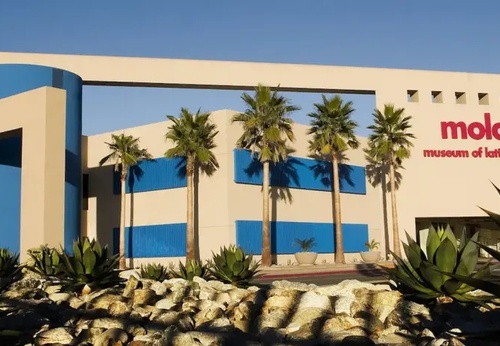
MOLAA Celebrates 30 Years of Latin American Art and Comics in California

Artist
- November 08, 2026
Ahmad Qaddura
Gallery
- November 08, 2026
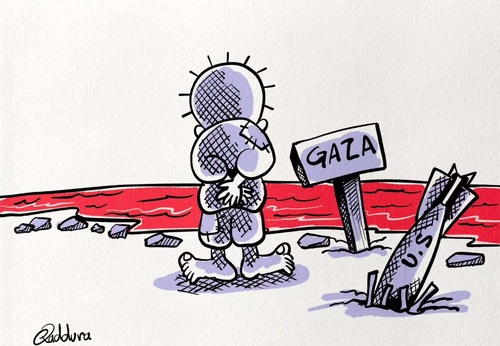
Gallery Of Humor Drawing By Ahmad Qaddura - Palestine_2
News
- November 08, 2026
The Art Market in Madrid
News
- November 08, 2026
iPad Users Finally Get a Free Alternative to Adobe
News
- November 08, 2026
Quixel Megascans Becomes Free for Unlimited Access


- November 08, 2026
AI and Identity in Latin American Art

- November 08, 2026
AI and Latin American Visual Heritage

- November 07, 2026
The Rise of Contemporary Indigenous Art…

- November 07, 2026
Neoconcretism: When Art Invites Touch

- November 06, 2026
Microsoft Introduces a Font Inspired by…

- November 06, 2026
Latin American Artists: From 1785 to Now

- November 05, 2026
The Power of Figurative Art in the Expr…

- November 05, 2026
The Pioneering Spirit of Argentine Kine…
- November 04, 2026
Threads of History: The Ancient Art of …

- November 04, 2026
The Legacy of Mexican Muralism

- November 03, 2026
Art in Venezuela

- November 03, 2026
Art in Panama

- November 02, 2026
From Brazil to the World: The Global Re…

- November 02, 2026
The Revolution of Colors: The Social Ro…

- November 01, 2026
Tarsila do Amaral and the Colors of Bra…

- November 01, 2026
Beco do Batman: The Vibrant Heart of Ur…

- October 29, 2026
Women in Latin American Art: Identity, …

- October 28, 2026
The World of Graphic Arts: Definition a…

- October 27, 2026
Sustainable Art: Transforming Waste int…

- October 27, 2026
The Timeless Magic of Black-and-White P…

- August 29, 2023
The history of Bolivian art

- February 19, 2024
Analysis and meaning of Van Gogh's Star…

- January 28, 2024
Culture and Art in Argentina

- September 25, 2023
What is the importance of art in human …

- September 23, 2023
What is paint?

- August 23, 2023
The 11 types of art and their meanings

- September 23, 2023
Painting characteristics

- August 10, 2023
14 questions and answers about the art …
- August 30, 2023
First artistic manifestations

- January 12, 2024
10 most beautiful statues and sculpture…
- September 23, 2023
History of painting
- October 18, 2023
History of sculpture
- November 21, 2024
History of Visual Arts

- March 26, 2024
The importance of technology in art1

- April 06, 2024
History of visual arts in Ecuador

- July 13, 2024
The impact of artificial intelligence o…
- August 27, 2023
The history of art Mexico

- March 26, 2024
Cultural identity and its impact on art…

- April 07, 2024
Graffiti in Latin American culture

- December 20, 2024
What is art? Definition, concept and ar…
- February 19, 2024
Analysis and meaning of Van Gogh's Star…

- August 13, 2023
9 Latino painters and their great contr…
- August 23, 2023
The 11 types of art and their meanings

- August 27, 2023
15 main works of Van Gogh
- August 10, 2023
14 questions and answers about the art …
- August 29, 2023
The history of Bolivian art
- January 28, 2024
Culture and Art in Argentina

- November 06, 2023
5 Latin American artists and their works
- September 23, 2023
Painting characteristics
- September 23, 2023
What is paint?
- September 25, 2023
What is the importance of art in human …
- August 30, 2023
First artistic manifestations
- March 26, 2024
Cultural identity and its impact on art…

- January 26, 2025
10 of the best Bolivian painters

- December 18, 2023
10 iconic works by Oscar Niemeyer, geni…

- August 24, 2023
The most famous image of Ernesto "Che" …
- January 12, 2024
10 most beautiful statues and sculpture…

- May 26, 2024
Técnicas de artes visuais
- November 21, 2024
History of Visual Arts

- January 20, 2024
What is the relationship between art an…