Printmaking and Illustration in Venezuela
Printmaking and Illustration in Venezuela: Tradition, Commitment, and New Technologies
Printmaking and illustration occupy a fundamental place in the history of Venezuelan art, although they have often been overshadowed by the international acclaim of kinetic art. Since the 19th century, printing and lithography have enabled the mass circulation of images and contributed to the formation of public opinion and a national identity. In the 20th century, printmaking became a tool for denunciation and social commitment, especially during periods of dictatorship and political crisis.
The Taller de Gráfica Popular (Popular Graphic Arts Workshop) in Mexico had a decisive influence on Venezuelan printmakers, who found in woodcut and linocut accessible and powerful means to disseminate political and social messages. Artists such as Luis Guevara Moreno—painter and muralist—incorporated graphic techniques into their work, while other artists dedicated themselves exclusively to printmaking, producing posters, flyers, and editions that circulated in circuits outside of museums and galleries.
In the field of illustration, Venezuela has produced a rich tradition of humorous drawing and political caricature. Publications such as El Cojo Ilustrado (1892-1915) and, later, 20th-century magazines and newspapers, were spaces where illustrators and caricaturists offered biting criticism of those in power and contributed to the formation of a critical visual culture. Artists like Pedro León Zapata—caricaturist, painter, and writer—became leading figures in Venezuelan political satire, using drawing as a weapon of denunciation and reflection.
The arrival of new technologies has radically transformed the field of printmaking and illustration in Venezuela. Contemporary artists combine traditional techniques—woodcut, etching, screen printing—with digital tools, producing images for social media and editorial illustration projects. The diaspora has taken these practices to new contexts: Venezuelan illustrators work for publishing houses, digital media, and independent projects in cities like Madrid, Bogotá, Miami, and Buenos Aires, keeping alive a tradition of commitment to both word and image.
The Alejandro Otero Museum and other institutions have hosted exhibitions that champion printmaking as a contemporary medium of expression, while art fairs and independent publishing projects have revitalized the circulation of graphic art. Venezuelan printmaking and illustration are, ultimately, a testament to art's capacity to circulate outside hegemonic circuits, to reach broad audiences, and to keep the flame of critique and imagination alive in difficult times.
Latamarte
Latest
Article
- November 16, 2026
Printmaking and Illustration in Venezuela
Article
- November 16, 2026
Sculpture and Environmental Art in Panama
Gallery
- November 16, 2026
Gallery of Illustration by Carolina Rodriguez Fuenmayor – Colombia
Daily Artwork
- November 16, 2026
Broken Humanity
Gallery
- November 16, 2026
Gallery Of Illustration By Alejandro Serrano - Cuba
Publications
- November 15, 2026
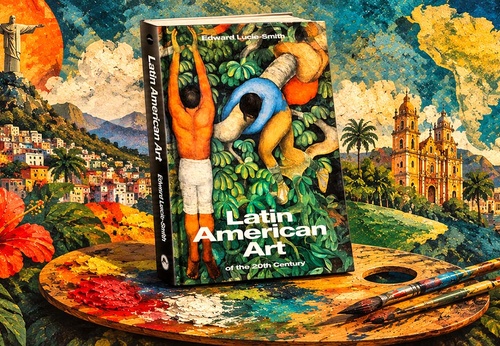
Latin American Art of the 20th Century | Edward Lucie-Smith
Gallery
- November 15, 2026
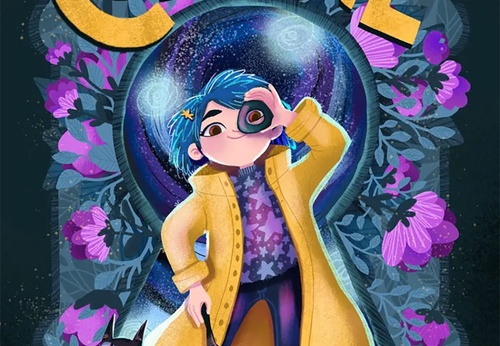
Gallery of Illustration by Carol Rempto – Brazil

Gallery
Artist
- November 15, 2026
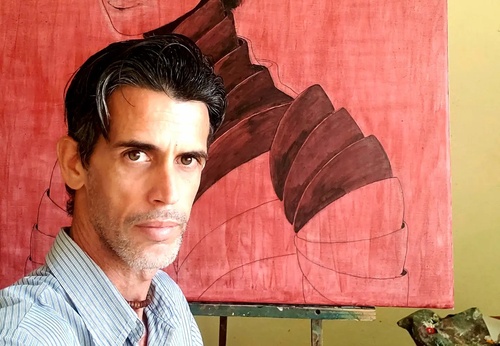
Yudel Francisco Cruz - Cuba
- November 16, 2026
Printmaking and Illustration in Venezue…
- November 16, 2026
Sculpture and Environmental Art in Pana…
- November 14, 2026
Art in Venezuela

- November 14, 2026
Contemporary Art in Panama
- November 12, 2026
The Impact of Sebastião Salgado’s Photo…
- November 11, 2026
Art in Venezuela: Public Space, Social …
- November 11, 2026
Art in Panama: Cultural Resistance and …
- November 10, 2026
Our North is the South: Universal Const…

- November 10, 2026
Magical Realism Beyond the Page: Latin …
- November 09, 2026
Art as Resistance: When Creation Transf…
- November 09, 2026
Art in the Digital Age: Between Creativ…
- November 08, 2026
AI and Identity in Latin American Art

- November 08, 2026
AI and Latin American Visual Heritage

- November 07, 2026
The Rise of Contemporary Indigenous Art…

- November 07, 2026
Neoconcretism: When Art Invites Touch

- November 06, 2026
Microsoft Introduces a Font Inspired by…
- November 06, 2026
Latin American Artists: From 1785 to Now
- November 05, 2026
The Power of Figurative Art in the Expr…

- November 05, 2026
The Pioneering Spirit of Argentine Kine…
- November 04, 2026
Threads of History: The Ancient Art of …
- August 29, 2023
The history of Bolivian art
- February 19, 2024
Analysis and meaning of Van Gogh's Star…
- January 28, 2024
Culture and Art in Argentina

- September 25, 2023
What is the importance of art in human …

- September 23, 2023
What is paint?

- August 23, 2023
The 11 types of art and their meanings

- September 23, 2023
Painting characteristics
- August 10, 2023
14 questions and answers about the art …
- August 30, 2023
First artistic manifestations
- January 12, 2024
10 most beautiful statues and sculpture…
- September 23, 2023
History of painting
- October 18, 2023
History of sculpture
- May 26, 2024
Técnicas de artes visuais
- November 21, 2024
History of Visual Arts
- April 06, 2024
History of visual arts in Ecuador

- March 26, 2024
The importance of technology in art1

- July 13, 2024
The impact of artificial intelligence o…
- August 27, 2023
The history of art Mexico
- March 26, 2024
Cultural identity and its impact on art…
- April 07, 2024
Graffiti in Latin American culture
- February 19, 2024
Analysis and meaning of Van Gogh's Star…

- August 13, 2023
9 Latino painters and their great contr…
- August 23, 2023
The 11 types of art and their meanings
- August 27, 2023
15 main works of Van Gogh
- August 10, 2023
14 questions and answers about the art …
- August 29, 2023
The history of Bolivian art
- January 28, 2024
Culture and Art in Argentina
- November 06, 2023
5 Latin American artists and their works
- September 23, 2023
Painting characteristics
- September 23, 2023
What is paint?
- September 25, 2023
What is the importance of art in human …
- August 30, 2023
First artistic manifestations
- March 26, 2024
Cultural identity and its impact on art…

- January 26, 2025
10 of the best Bolivian painters
- December 18, 2023
10 iconic works by Oscar Niemeyer, geni…

- August 24, 2023
The most famous image of Ernesto "Che" …
- January 12, 2024
10 most beautiful statues and sculpture…
- May 26, 2024
Técnicas de artes visuais
- November 21, 2024
History of Visual Arts
- January 20, 2024
What is the relationship between art an…