Sculpture and Environmental Art in Panama
Sculpture and Environmental Art in Panama: From Monument to Dialogue with Nature
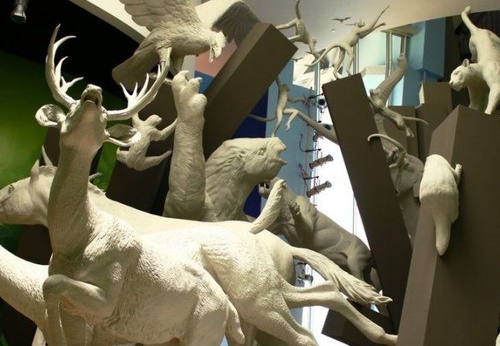
Panamanian sculpture has evolved from 19th-century commemorative monuments to contemporary practices that engage with the natural environment and ecological issues. In its early stages, sculpture in Panama was marked by European influence and the civic function of honoring national heroes and historical milestones. Works such as the Monument to the Heroes of November 3rd or the statues in Independence Square reflect this monumental logic, in which bronze and pedestals enshrined an official national narrative.
However, throughout the 20th century, and especially in recent decades, Panamanian sculpture has diversified, incorporating new materials, scales, and concerns. Artists like Teresa Icaza—best known for her painting—explored relief sculpture and material experimentation, while Gilberto Vallarino has worked with wood and organic materials in dialogue with the country's artisanal traditions. The Guna mola, with its superimposed layers and subtractive construction logic, has inspired contemporary sculptors who see in it a formal and conceptual principle.
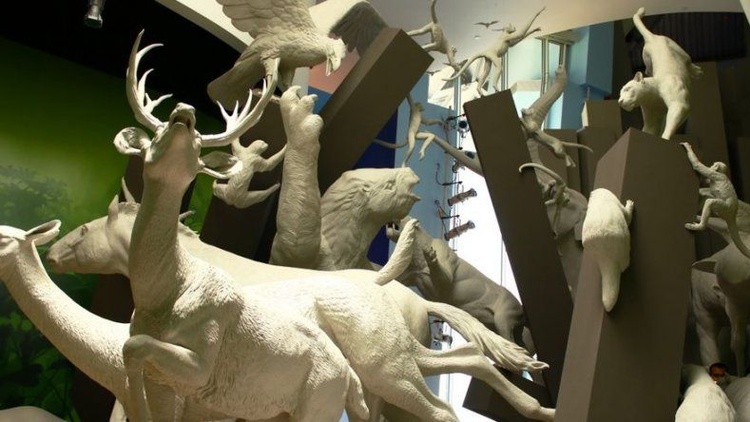
Environmental art has gained particular relevance in Panama, a country whose geography—isthmus, rainforest, and Caribbean and Pacific coasts—makes it especially vulnerable to the climate crisis. Artists like Donna Conlon have addressed the relationship between nature and the economy through installations that incorporate organic materials and sounds from the environment. Her work, created in collaboration with Jonathan Harker, transforms everyday elements—bottles, fruits, zinc roofs—into experiences that invite us to rethink the relationship between humankind and its habitat. Along the same lines, Jorge Chen has explored the ecological crisis of the Azuero Peninsula through installations that combine natural and artificial elements, highlighting the impact of human activity on the landscape.
Public sculpture has also become a space for memory and reparation. Martanoemí Noriega's mural at the Afro-Antillean Museum of Panama—though two-dimensional—shares with monumental sculpture the vocation of inscribing a narrative of recognition and dignity for the Afro-Antillean community, long rendered invisible by official history, in the public space. In this sense, sculpture and environmental art in Panama are no longer limited to beautifying or commemorating: they have become tools for critique, memory, and dialogue with the environment.
Latamarte
Latest
Article
- November 16, 2026
Printmaking and Illustration in Venezuela
Article
- November 16, 2026
Sculpture and Environmental Art in Panama
Gallery
- November 16, 2026
Gallery of Illustration by Carolina Rodriguez Fuenmayor – Colombia
Daily Artwork
- November 16, 2026
Broken Humanity
Gallery
- November 16, 2026
Gallery Of Illustration By Alejandro Serrano - Cuba
Publications
- November 15, 2026
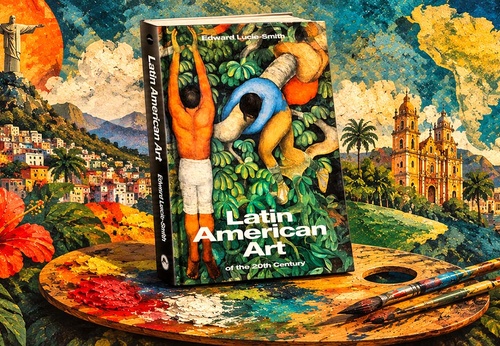
Latin American Art of the 20th Century | Edward Lucie-Smith

Gallery
- November 15, 2026
Gallery of Illustration by Carol Rempto – Brazil

Gallery
Artist
- November 15, 2026
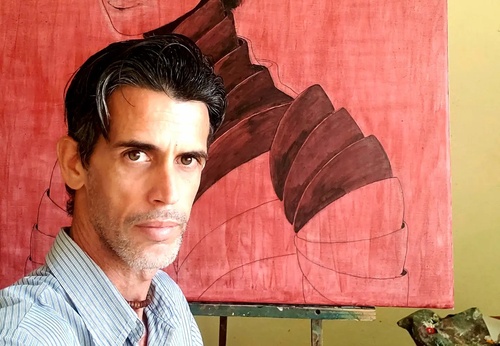
Yudel Francisco Cruz - Cuba
- November 16, 2026
Printmaking and Illustration in Venezue…
- November 16, 2026
Sculpture and Environmental Art in Pana…
- November 14, 2026
Art in Venezuela
- November 14, 2026
Contemporary Art in Panama
- November 12, 2026
The Impact of Sebastião Salgado’s Photo…
- November 11, 2026
Art in Venezuela: Public Space, Social …
- November 11, 2026
Art in Panama: Cultural Resistance and …
- November 10, 2026
Our North is the South: Universal Const…

- November 10, 2026
Magical Realism Beyond the Page: Latin …
- November 09, 2026
Art as Resistance: When Creation Transf…
- November 09, 2026
Art in the Digital Age: Between Creativ…

- November 08, 2026
AI and Identity in Latin American Art

- November 08, 2026
AI and Latin American Visual Heritage

- November 07, 2026
The Rise of Contemporary Indigenous Art…
- November 07, 2026
Neoconcretism: When Art Invites Touch

- November 06, 2026
Microsoft Introduces a Font Inspired by…
- November 06, 2026
Latin American Artists: From 1785 to Now
- November 05, 2026
The Power of Figurative Art in the Expr…

- November 05, 2026
The Pioneering Spirit of Argentine Kine…
- November 04, 2026
Threads of History: The Ancient Art of …
- August 29, 2023
The history of Bolivian art

- February 19, 2024
Analysis and meaning of Van Gogh's Star…
- January 28, 2024
Culture and Art in Argentina

- September 25, 2023
What is the importance of art in human …

- September 23, 2023
What is paint?

- August 23, 2023
The 11 types of art and their meanings

- September 23, 2023
Painting characteristics
- August 10, 2023
14 questions and answers about the art …
- August 30, 2023
First artistic manifestations

- January 12, 2024
10 most beautiful statues and sculpture…
- September 23, 2023
History of painting
- October 18, 2023
History of sculpture
- May 26, 2024
Técnicas de artes visuais
- November 21, 2024
History of Visual Arts

- April 06, 2024
History of visual arts in Ecuador

- March 26, 2024
The importance of technology in art1

- July 13, 2024
The impact of artificial intelligence o…
- August 27, 2023
The history of art Mexico
- March 26, 2024
Cultural identity and its impact on art…
- April 07, 2024
Graffiti in Latin American culture
- February 19, 2024
Analysis and meaning of Van Gogh's Star…

- August 13, 2023
9 Latino painters and their great contr…
- August 23, 2023
The 11 types of art and their meanings
- August 27, 2023
15 main works of Van Gogh
- August 10, 2023
14 questions and answers about the art …
- August 29, 2023
The history of Bolivian art
- January 28, 2024
Culture and Art in Argentina
- November 06, 2023
5 Latin American artists and their works
- September 23, 2023
Painting characteristics
- September 23, 2023
What is paint?
- September 25, 2023
What is the importance of art in human …
- August 30, 2023
First artistic manifestations
- March 26, 2024
Cultural identity and its impact on art…

- January 26, 2025
10 of the best Bolivian painters
- December 18, 2023
10 iconic works by Oscar Niemeyer, geni…

- August 24, 2023
The most famous image of Ernesto "Che" …
- January 12, 2024
10 most beautiful statues and sculpture…
- May 26, 2024
Técnicas de artes visuais
- November 21, 2024
History of Visual Arts

- January 20, 2024
What is the relationship between art an…