Contemporary Painting in Latin America
Contemporary Painting in Latin America: From National to Cosmopolitan Identity
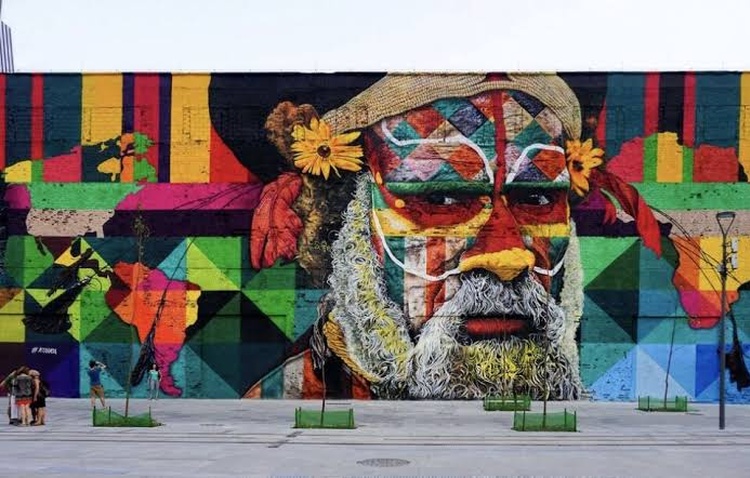
Contemporary Latin American painting is no longer defined exclusively by the search for a national identity. While the 20th century was marked by projects such as Mexican muralism, Andean indigenism, and Uruguayan constructivism—all committed to forging their own visual language in the face of European hegemony—current production is characterized by an openness to global issues and unprecedented transnational circulation. Artists like the Brazilian Rosana Paulino address the legacy of slavery through archives and textiles, while the Cuban Tania Bruguera shifts painting into the realm of performance art and political action. The diaspora has played a crucial role: artists working in Miami, Madrid, Berlin, or São Paulo maintain a constant dialogue with their countries of origin, producing works that no longer correspond to a single territory. In this context, painting becomes a space of negotiation between local memory and global language, between the colonial legacy and new subjectivities. The themes range from the climate crisis and migration to gender, violence, and technology, all explored with a formal freedom that blends figuration, abstraction, installation, and digital media. The result is a vibrant and heterogeneous scene, where identity is no longer a starting point, but an open question that each artist answers through their own practice.
Latamarte
Latest
Article
- November 20, 2026
Back to the Canvas: Why Is Painting Still Alive in the Digital Age?
Article
- November 20, 2026
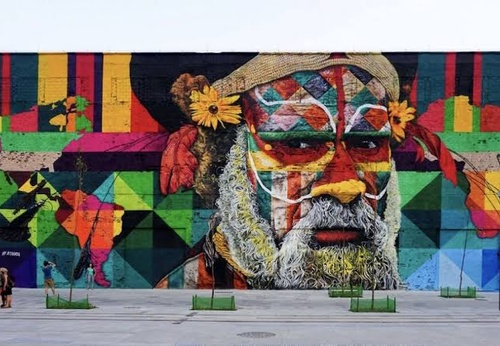
Contemporary Painting in Latin America
Contest
- November 20, 2026
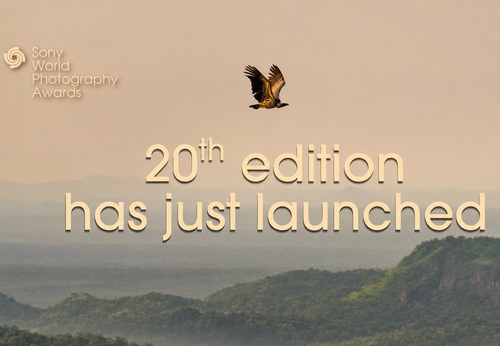
20th Sony World Photography Awards 2027 – United Kingdom

Contest
Contest
- November 20, 2026
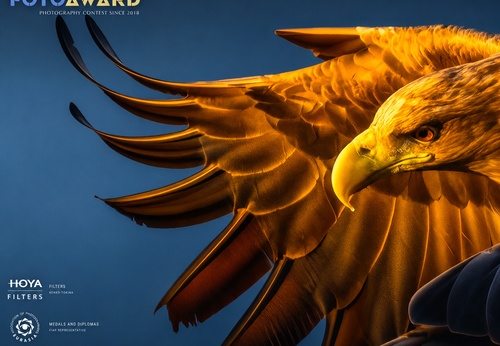
FOTOAWARD 2026 International Photography Contest ,Russia

Contest
- November 20, 2026
Fumetto International Comic Competition 2027 – Switzerland

Contest
- November 20, 2026
10th FIBA Photo Contest 2026 – Switzerland

Contest
- November 20, 2026
Animayo Gran Canaria 2027 International Poster Contest | Spain
Contest
- November 20, 2026
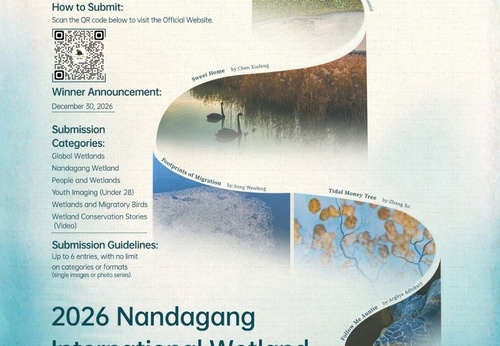
2nd Nandagang International Wetland Photo Contest 2026 | China

- November 20, 2026
Back to the Canvas: Why Is Painting Sti…
- November 20, 2026
Contemporary Painting in Latin America
- November 17, 2026
Urban Interventions and Relational Art …

- November 17, 2026
The Artist's Book and Expanded Prints i…
- November 16, 2026
Printmaking and Illustration in Venezue…

- November 16, 2026
Sculpture and Environmental Art in Pana…

- November 14, 2026
Art in Venezuela

- November 14, 2026
Contemporary Art in Panama
- November 12, 2026
The Impact of Sebastião Salgado’s Photo…
- November 11, 2026
Art in Venezuela: Public Space, Social …
- November 11, 2026
Art in Panama: Cultural Resistance and …

- November 10, 2026
Our North is the South: Universal Const…

- November 10, 2026
Magical Realism Beyond the Page: Latin …
- November 09, 2026
Art as Resistance: When Creation Transf…

- November 09, 2026
Art in the Digital Age: Between Creativ…

- November 08, 2026
AI and Identity in Latin American Art

- November 08, 2026
AI and Latin American Visual Heritage

- November 07, 2026
The Rise of Contemporary Indigenous Art…

- November 07, 2026
Neoconcretism: When Art Invites Touch

- November 06, 2026
Microsoft Introduces a Font Inspired by…
- August 29, 2023
The history of Bolivian art

- February 19, 2024
Analysis and meaning of Van Gogh's Star…

- January 28, 2024
Culture and Art in Argentina

- September 25, 2023
What is the importance of art in human …

- September 23, 2023
What is paint?

- August 23, 2023
The 11 types of art and their meanings

- September 23, 2023
Painting characteristics

- August 10, 2023
14 questions and answers about the art …
- August 30, 2023
First artistic manifestations
- January 12, 2024
10 most beautiful statues and sculpture…
- September 23, 2023
History of painting
- October 18, 2023
History of sculpture

- May 26, 2024
Técnicas de artes visuais

- April 06, 2024
History of visual arts in Ecuador

- March 26, 2024
The importance of technology in art1
- November 21, 2024
History of Visual Arts

- July 13, 2024
The impact of artificial intelligence o…
- March 26, 2024
Cultural identity and its impact on art…
- August 27, 2023
The history of art Mexico
- April 07, 2024
Graffiti in Latin American culture
- February 19, 2024
Analysis and meaning of Van Gogh's Star…

- August 13, 2023
9 Latino painters and their great contr…
- August 23, 2023
The 11 types of art and their meanings
- August 27, 2023
15 main works of Van Gogh
- August 10, 2023
14 questions and answers about the art …
- August 29, 2023
The history of Bolivian art
- January 28, 2024
Culture and Art in Argentina

- November 06, 2023
5 Latin American artists and their works
- September 23, 2023
Painting characteristics
- September 23, 2023
What is paint?
- September 25, 2023
What is the importance of art in human …
- August 30, 2023
First artistic manifestations
- March 26, 2024
Cultural identity and its impact on art…

- January 26, 2025
10 of the best Bolivian painters

- December 18, 2023
10 iconic works by Oscar Niemeyer, geni…

- August 24, 2023
The most famous image of Ernesto "Che" …
- January 12, 2024
10 most beautiful statues and sculpture…
- May 26, 2024
Técnicas de artes visuais
- November 21, 2024
History of Visual Arts

- January 20, 2024
What is the relationship between art an…