The Artist's Book and Expanded Prints in Panama
The Artist's Book and Expanded Prints in Panama: New Media for Memory
In recent decades, the artist's book and expanded prints have found fertile ground in Panama for exploring the relationship between image, text, and historical memory. Far removed from traditional illustration, these formats allow Panamanian artists to address themes such as identity, migration, Afro-Caribbean heritage, and the diaspora experience from an intermedial perspective that combines printmaking, photography, writing, and editorial design.
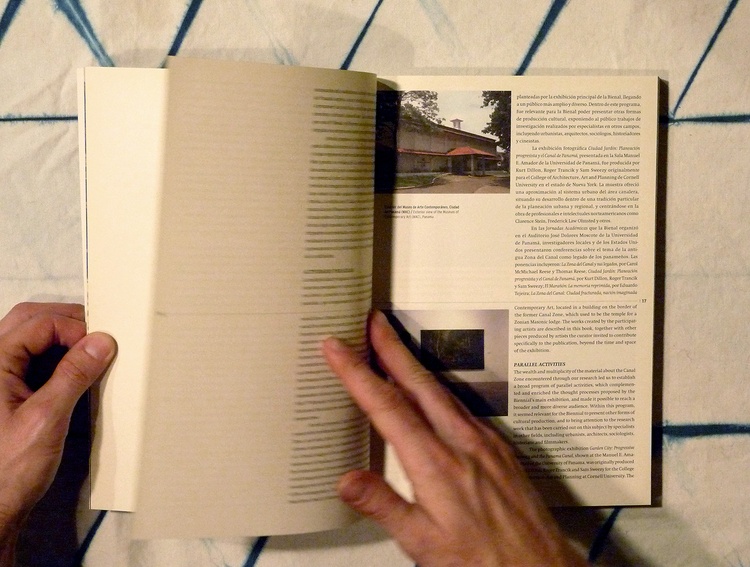
The artist's book—understood as a work of art in itself, not merely as a medium for reproducing images—has been cultivated by creators who see the printed page as a space for narrative and visual experimentation. Artists such as Donna Conlon and Jonathan Harker have ventured into publications that document their research processes on the urban environment and social dynamics, transforming the book into a critical device that circulates outside traditional museum circuits.
Expanded printmaking—which includes techniques such as screen printing, woodcut, monotype, and digital printing—has allowed Panamanian artists to address historical memory through a materiality that engages with the country's artisanal traditions. The Guna mola, with its logic of superimposed layers and subtractive construction, has inspired contemporary printmakers who see in it a formal and conceptual principle applicable to printmaking. The pintao hat, declared an Intangible Cultural Heritage of Humanity by UNESCO in 2017, has also been recognized as a source of patterns and textures for contemporary printmaking.
The Museum of Contemporary Art of Panama (MAC Panamá) has hosted projects that link printmaking with memory and identity. Its Young Artists Award has supported artists such as Milko Delgado, whose work, from his non-binary experience, explores the structures that order our lives. Delgado, along with other emerging artists, represents a scene no longer defined by national geography, but rather by its capacity to engage with global issues through media such as printmaking, video, and installation.
In the context of the diaspora, Panamanian artists have brought the artist's book and expanded printmaking to international fairs and independent publishing projects, maintaining a connection to their country of origin that is expressed in the materiality of the printed page. Panamanian graphic art is, ultimately, a space of resistance and creation that uses all available media—from the mola to the artist's book—to narrate the complexity of a diverse and constantly transforming nation.
Latamarte
Latest
Article
- November 17, 2026
Urban Interventions and Relational Art in Venezuela
Article
- November 17, 2026
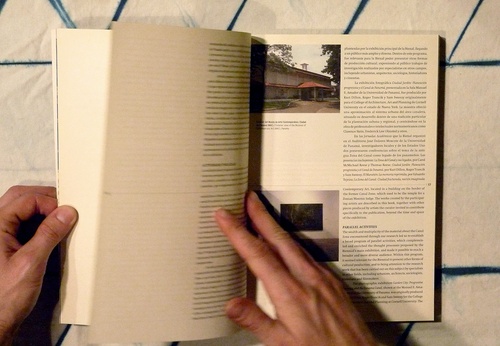
The Artist's Book and Expanded Prints in Panama
Publications
- November 17, 2026
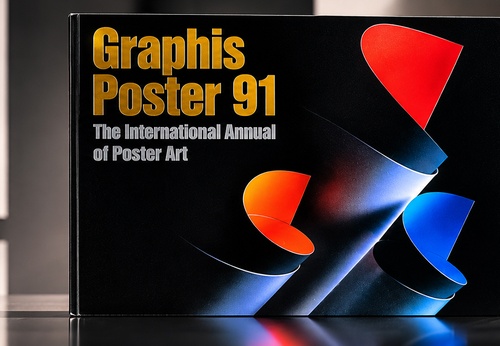
Graphis Poster 91 | The International Annual of Poster Art
Gallery
- November 17, 2026
Gallery Of Illustration By Zamo Peza - Cuba
News
- November 16, 2026
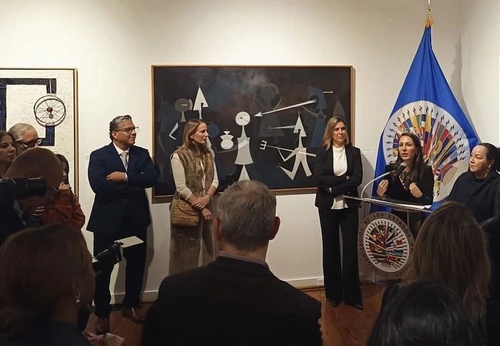
Latin American Art in Washington
Publications
- November 16, 2026
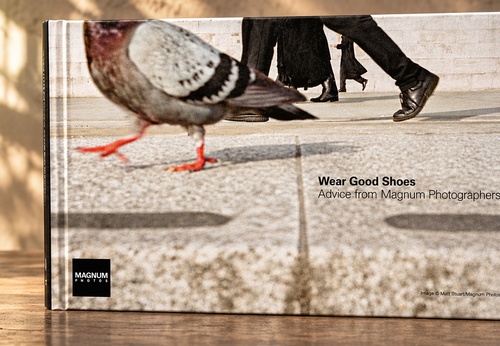
Wear Good Shoes: Advice from Magnum Photographers
Article
- November 16, 2026
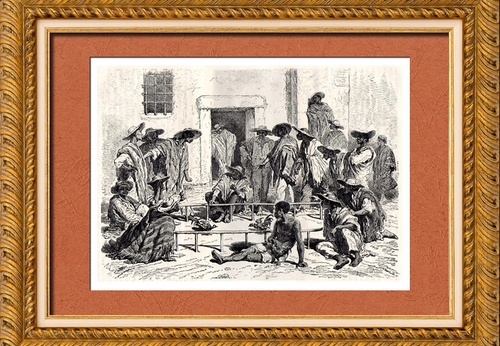
Printmaking and Illustration in Venezuela
Article
- November 16, 2026
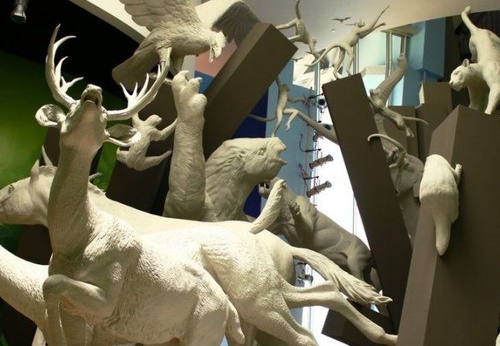
Sculpture and Environmental Art in Panama
Gallery
- November 16, 2026
Gallery of Illustration by Carolina Rodriguez Fuenmayor – Colombia
- November 17, 2026
Urban Interventions and Relational Art …
- November 17, 2026
The Artist's Book and Expanded Prints i…
- November 16, 2026
Printmaking and Illustration in Venezue…
- November 16, 2026
Sculpture and Environmental Art in Pana…
- November 14, 2026
Art in Venezuela
- November 14, 2026
Contemporary Art in Panama
- November 12, 2026
The Impact of Sebastião Salgado’s Photo…
- November 11, 2026
Art in Venezuela: Public Space, Social …
- November 11, 2026
Art in Panama: Cultural Resistance and …
- November 10, 2026
Our North is the South: Universal Const…

- November 10, 2026
Magical Realism Beyond the Page: Latin …
- November 09, 2026
Art as Resistance: When Creation Transf…
- November 09, 2026
Art in the Digital Age: Between Creativ…
- November 08, 2026
AI and Identity in Latin American Art

- November 08, 2026
AI and Latin American Visual Heritage
- November 07, 2026
The Rise of Contemporary Indigenous Art…

- November 07, 2026
Neoconcretism: When Art Invites Touch

- November 06, 2026
Microsoft Introduces a Font Inspired by…
- November 06, 2026
Latin American Artists: From 1785 to Now
- November 05, 2026
The Power of Figurative Art in the Expr…
- August 29, 2023
The history of Bolivian art
- February 19, 2024
Analysis and meaning of Van Gogh's Star…
- January 28, 2024
Culture and Art in Argentina

- September 25, 2023
What is the importance of art in human …

- September 23, 2023
What is paint?

- August 23, 2023
The 11 types of art and their meanings

- September 23, 2023
Painting characteristics
- August 10, 2023
14 questions and answers about the art …
- August 30, 2023
First artistic manifestations
- January 12, 2024
10 most beautiful statues and sculpture…
- September 23, 2023
History of painting
- October 18, 2023
History of sculpture
- May 26, 2024
Técnicas de artes visuais
- March 26, 2024
The importance of technology in art1
- November 21, 2024
History of Visual Arts
- April 06, 2024
History of visual arts in Ecuador
- July 13, 2024
The impact of artificial intelligence o…
- March 26, 2024
Cultural identity and its impact on art…
- August 27, 2023
The history of art Mexico
- April 07, 2024
Graffiti in Latin American culture
- February 19, 2024
Analysis and meaning of Van Gogh's Star…

- August 13, 2023
9 Latino painters and their great contr…
- August 23, 2023
The 11 types of art and their meanings
- August 27, 2023
15 main works of Van Gogh
- August 10, 2023
14 questions and answers about the art …
- August 29, 2023
The history of Bolivian art
- January 28, 2024
Culture and Art in Argentina
- November 06, 2023
5 Latin American artists and their works
- September 23, 2023
Painting characteristics
- September 23, 2023
What is paint?
- September 25, 2023
What is the importance of art in human …
- August 30, 2023
First artistic manifestations
- March 26, 2024
Cultural identity and its impact on art…

- January 26, 2025
10 of the best Bolivian painters
- December 18, 2023
10 iconic works by Oscar Niemeyer, geni…

- August 24, 2023
The most famous image of Ernesto "Che" …
- January 12, 2024
10 most beautiful statues and sculpture…
- May 26, 2024
Técnicas de artes visuais
- November 21, 2024
History of Visual Arts
- January 20, 2024
What is the relationship between art an…