Urban Interventions and Relational Art in Venezuela
Urban Interventions and Relational Art in Venezuela: The City as a Collective Workshop
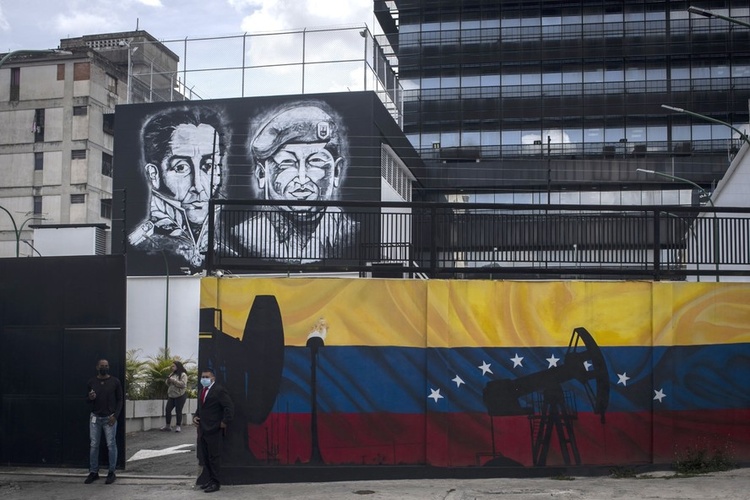
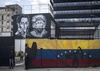
Faced with institutional decay and economic crisis, relational art and urban interventions have become fundamental tools for rebuilding the social fabric in Venezuela. Collectives of artists, residents, and activists have found in public spaces a territory where they can experiment with forms of collaboration, memory, and mutual care, far removed from the logic of the art market and major museums.
Relational art—a concept coined by the French critic Nicolas Bourriaud—understands artistic practice as a set of social relationships, not as an isolated object. In Venezuela, this perspective has taken on a particular urgency: in working-class neighborhoods of Caracas, Maracaibo, and Valencia, artists and communities have created urban gardens, community libraries, vocational workshops, and collective murals that not only beautify the environment but also generate networks of support and resistance in the face of the crisis.
A prime example is the work of collectives like Tiuna el Fuerte in Caracas, a self-managed space that combines art, education, and activism. Since its inception, Tiuna el Fuerte has promoted urban art, music, dance, and audiovisual production projects that engage young people from working-class neighborhoods, offering them tools to tell their own stories and build alternative futures. Their approach stems from the idea that art is not a luxury, but a necessity for community life.
In the realm of urban interventions, artists like Alexander Apóstol have documented and questioned the transformation of the Venezuelan landscape, from the modernist buildings of Caracas to the ruins of unfinished projects, revealing the contradictions of a modernity that promised progress and left behind rubble and inequality. His work, while focused on photography and video, engages with urban intervention practices by making visible the traces of institutional failure in public space.
The diaspora has also produced forms of relational art that connect Venezuela with its communities abroad. Artists like Sol Calero have created spaces for encounter and celebration that reclaim Latin American culture from afar, while other creators work on transnational collaborative projects that keep the connection to their country of origin alive. Venezuelan art is today, more than ever, an art of proximity and care: an art that, in the face of adversity, is committed to the collective construction of meaning and community.
Latamarte
Latest
Article
- November 17, 2026
Urban Interventions and Relational Art in Venezuela
Article
- November 17, 2026
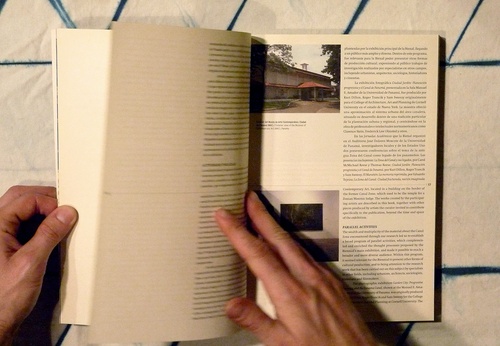
The Artist's Book and Expanded Prints in Panama
Publications
- November 17, 2026
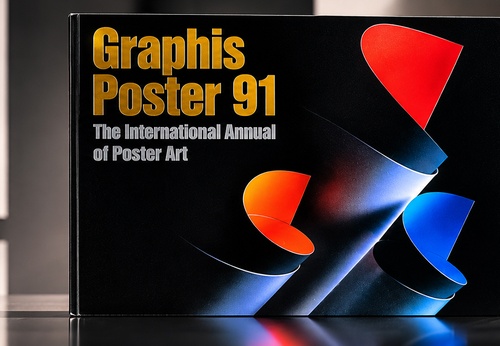
Graphis Poster 91 | The International Annual of Poster Art
Gallery
- November 17, 2026
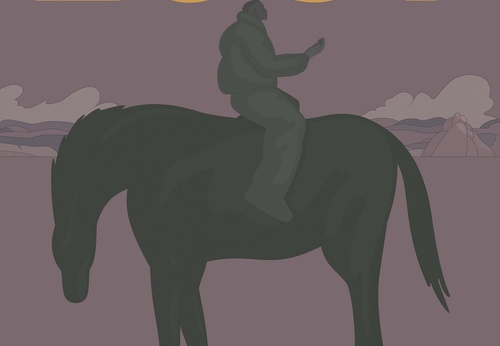
Gallery Of Illustration By Zamo Peza - Cuba
News
- November 16, 2026
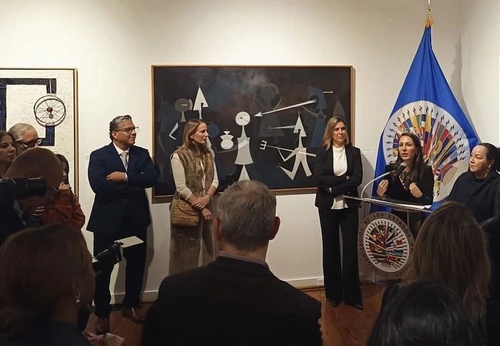
Latin American Art in Washington
Publications
- November 16, 2026
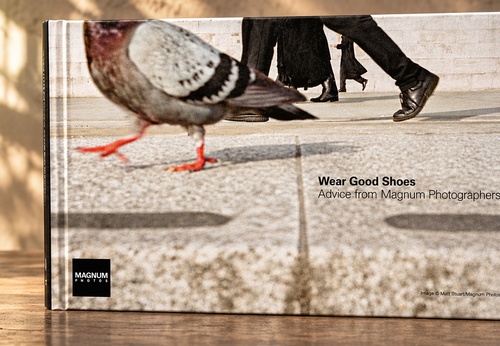
Wear Good Shoes: Advice from Magnum Photographers
Article
- November 16, 2026
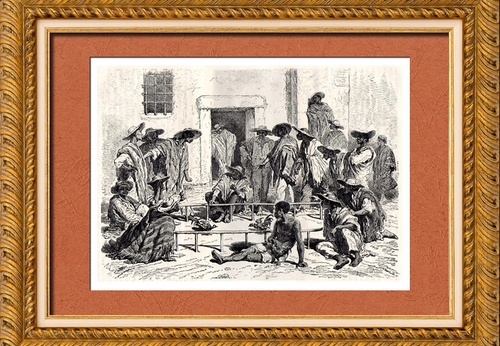
Printmaking and Illustration in Venezuela
Article
- November 16, 2026
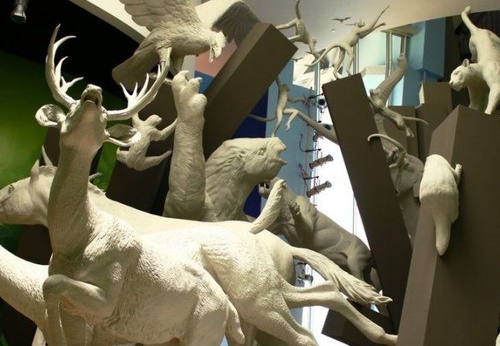
Sculpture and Environmental Art in Panama
Gallery
- November 16, 2026
Gallery of Illustration by Carolina Rodriguez Fuenmayor – Colombia
- November 17, 2026
Urban Interventions and Relational Art …

- November 17, 2026
The Artist's Book and Expanded Prints i…
- November 16, 2026
Printmaking and Illustration in Venezue…
- November 16, 2026
Sculpture and Environmental Art in Pana…

- November 14, 2026
Art in Venezuela

- November 14, 2026
Contemporary Art in Panama
- November 12, 2026
The Impact of Sebastião Salgado’s Photo…
- November 11, 2026
Art in Venezuela: Public Space, Social …
- November 11, 2026
Art in Panama: Cultural Resistance and …
- November 10, 2026
Our North is the South: Universal Const…

- November 10, 2026
Magical Realism Beyond the Page: Latin …
- November 09, 2026
Art as Resistance: When Creation Transf…
- November 09, 2026
Art in the Digital Age: Between Creativ…
- November 08, 2026
AI and Identity in Latin American Art

- November 08, 2026
AI and Latin American Visual Heritage

- November 07, 2026
The Rise of Contemporary Indigenous Art…

- November 07, 2026
Neoconcretism: When Art Invites Touch

- November 06, 2026
Microsoft Introduces a Font Inspired by…
- November 06, 2026
Latin American Artists: From 1785 to Now
- November 05, 2026
The Power of Figurative Art in the Expr…
- August 29, 2023
The history of Bolivian art
- February 19, 2024
Analysis and meaning of Van Gogh's Star…
- January 28, 2024
Culture and Art in Argentina

- September 25, 2023
What is the importance of art in human …

- September 23, 2023
What is paint?

- August 23, 2023
The 11 types of art and their meanings

- September 23, 2023
Painting characteristics
- August 10, 2023
14 questions and answers about the art …
- August 30, 2023
First artistic manifestations
- January 12, 2024
10 most beautiful statues and sculpture…
- September 23, 2023
History of painting
- October 18, 2023
History of sculpture
- May 26, 2024
Técnicas de artes visuais

- March 26, 2024
The importance of technology in art1
- November 21, 2024
History of Visual Arts
- April 06, 2024
History of visual arts in Ecuador
- July 13, 2024
The impact of artificial intelligence o…
- March 26, 2024
Cultural identity and its impact on art…
- August 27, 2023
The history of art Mexico
- April 07, 2024
Graffiti in Latin American culture
- February 19, 2024
Analysis and meaning of Van Gogh's Star…

- August 13, 2023
9 Latino painters and their great contr…
- August 23, 2023
The 11 types of art and their meanings
- August 27, 2023
15 main works of Van Gogh
- August 10, 2023
14 questions and answers about the art …
- August 29, 2023
The history of Bolivian art
- January 28, 2024
Culture and Art in Argentina
- November 06, 2023
5 Latin American artists and their works
- September 23, 2023
Painting characteristics
- September 23, 2023
What is paint?
- September 25, 2023
What is the importance of art in human …
- August 30, 2023
First artistic manifestations
- March 26, 2024
Cultural identity and its impact on art…

- January 26, 2025
10 of the best Bolivian painters
- December 18, 2023
10 iconic works by Oscar Niemeyer, geni…

- August 24, 2023
The most famous image of Ernesto "Che" …
- January 12, 2024
10 most beautiful statues and sculpture…
- May 26, 2024
Técnicas de artes visuais
- November 21, 2024
History of Visual Arts
- January 20, 2024
What is the relationship between art an…