Visual Historiography: The Role of Painting in Representing the Past
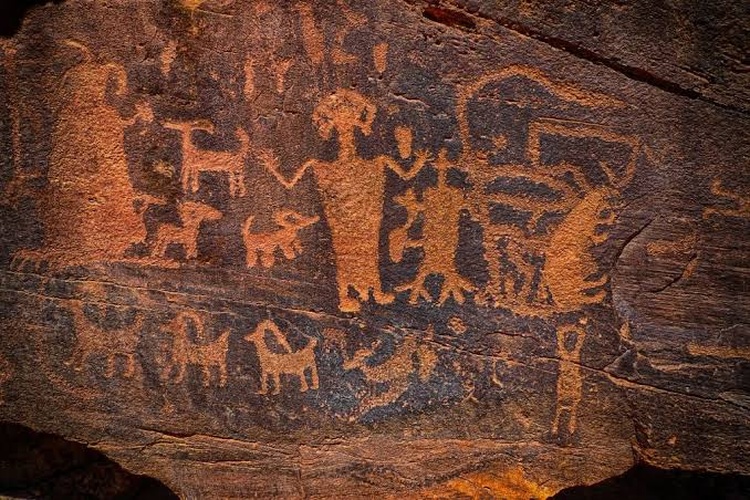
Since antiquity, painting has been a privileged instrument for narrating the past and constructing collective memory. In Latin America, visual historiography found fertile ground during the 19th century, when the young nation-states needed to forge a shared imaginary after independence. Artists such as the Venezuelan Martín Tovar y Tovar and the Argentinian Cándido López documented battles, heroes, and foundational landscapes with a blend of documentary precision and heroic rhetoric. Cándido López, who fought in the War of the Triple Alliance and lost his right hand, painted the conflict with almost ethnographic meticulousness, transforming his canvases into a unique visual archive of the war. In the 20th century, visual historiography shifted toward critique: Mexican muralism rewrote official history from the perspective of peasants and workers, while contemporary artists like the Colombian Beatriz González have revisited episodes of political violence using press photographs, questioning the neutrality of documentary images. Painting, in this sense, not only illustrates the past: it interprets, contests, and resignifies it. In contrast to the claim of objectivity in photography or written documents, visual historiography reclaims the subjectivity of line and the materiality of color as legitimate forms of historical knowledge. The past, therefore, becomes a plastic medium, always open to new interpretations.
Latamarte
Latest
News
Article
Article
- November 22, 2026
Visual Historiography: The Role of Painting in Representing the Past
Video
- November 21, 2026
Photographer Spotlight: Nick Brandt
Gallery
- November 21, 2026
Gallery of Graphic Design Works & Branding by Marcelle Lucena – Brazil
News
- November 21, 2026
Morton Auctions Prepares for its Major Latin American
News
- November 21, 2026
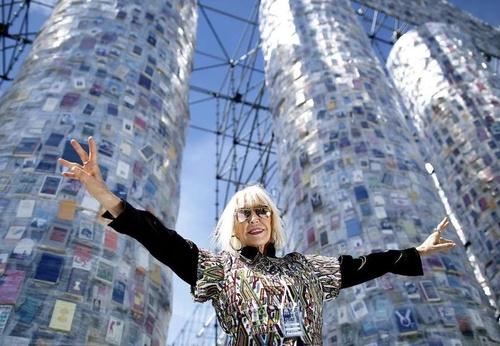
Marta Minujín, Six Decades as a Latin American “Art Guerrilla”
Article
- November 21, 2026
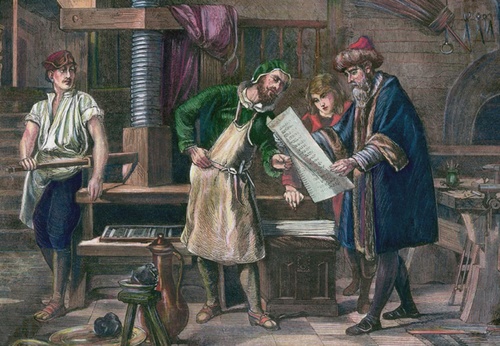
Printmaking: The Renaissance of Printmaking in the Digital World
Article
- November 21, 2026
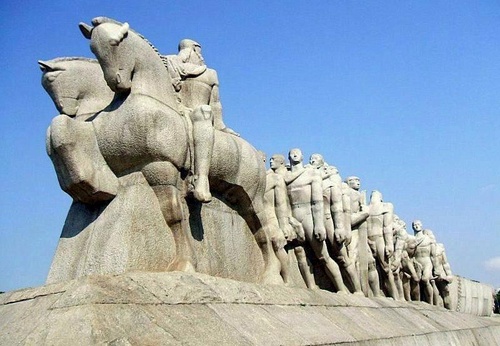
Public Sculpture and Urban Memory: From Monument to Intervention

- November 22, 2026
Walls That Speak: Muralism and the Poli…
- November 22, 2026
Visual Historiography: The Role of Pain…

- November 21, 2026
Printmaking: The Renaissance of Printma…
- November 21, 2026
Public Sculpture and Urban Memory: From…

- November 20, 2026
Back to the Canvas: Why Is Painting Sti…
- November 20, 2026
Contemporary Painting in Latin America
- November 17, 2026
Urban Interventions and Relational Art …

- November 17, 2026
The Artist's Book and Expanded Prints i…
- November 16, 2026
Printmaking and Illustration in Venezue…
- November 16, 2026
Sculpture and Environmental Art in Pana…

- November 14, 2026
Art in Venezuela

- November 14, 2026
Contemporary Art in Panama
- November 12, 2026
The Impact of Sebastião Salgado’s Photo…
- November 11, 2026
Art in Venezuela: Public Space, Social …
- November 11, 2026
Art in Panama: Cultural Resistance and …
- November 10, 2026
Our North is the South: Universal Const…

- November 10, 2026
Magical Realism Beyond the Page: Latin …
- November 09, 2026
Art as Resistance: When Creation Transf…
- November 09, 2026
Art in the Digital Age: Between Creativ…

- November 08, 2026
AI and Identity in Latin American Art
- August 29, 2023
The history of Bolivian art

- February 19, 2024
Analysis and meaning of Van Gogh's Star…

- January 28, 2024
Culture and Art in Argentina

- September 25, 2023
What is the importance of art in human …

- September 23, 2023
What is paint?

- August 23, 2023
The 11 types of art and their meanings

- September 23, 2023
Painting characteristics
- August 10, 2023
14 questions and answers about the art …
- August 30, 2023
First artistic manifestations
- January 12, 2024
10 most beautiful statues and sculpture…
- September 23, 2023
History of painting
- October 18, 2023
History of sculpture
- May 26, 2024
Técnicas de artes visuais

- April 06, 2024
History of visual arts in Ecuador

- March 26, 2024
The importance of technology in art1
- November 21, 2024
History of Visual Arts

- July 13, 2024
The impact of artificial intelligence o…
- March 26, 2024
Cultural identity and its impact on art…
- August 27, 2023
The history of art Mexico
- April 07, 2024
Graffiti in Latin American culture
- February 19, 2024
Analysis and meaning of Van Gogh's Star…

- August 13, 2023
9 Latino painters and their great contr…
- August 23, 2023
The 11 types of art and their meanings
- August 27, 2023
15 main works of Van Gogh
- August 10, 2023
14 questions and answers about the art …
- August 29, 2023
The history of Bolivian art
- January 28, 2024
Culture and Art in Argentina

- November 06, 2023
5 Latin American artists and their works
- September 23, 2023
Painting characteristics
- September 23, 2023
What is paint?
- September 25, 2023
What is the importance of art in human …
- August 30, 2023
First artistic manifestations
- March 26, 2024
Cultural identity and its impact on art…

- January 26, 2025
10 of the best Bolivian painters
- December 18, 2023
10 iconic works by Oscar Niemeyer, geni…

- August 24, 2023
The most famous image of Ernesto "Che" …
- January 12, 2024
10 most beautiful statues and sculpture…
- May 26, 2024
Técnicas de artes visuais
- November 21, 2024
History of Visual Arts

- January 20, 2024
What is the relationship between art an…