Printmaking: The Renaissance of Printmaking in the Digital World
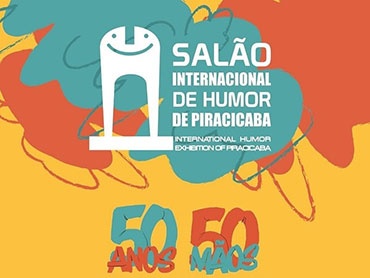
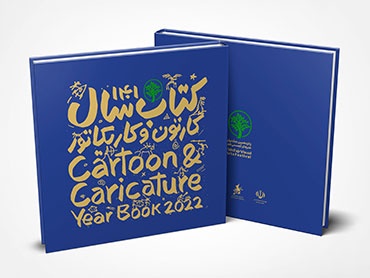
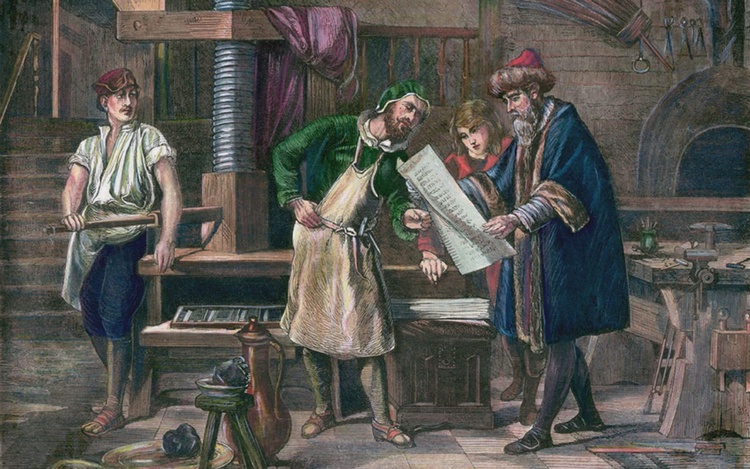
Artistic printmaking—engraving, screen printing, lithography, and woodcut—is experiencing a moment of renewed vitality in the digital age. Far from disappearing in the face of technological reproduction, printmaking has found new reasons to exist: its tactile materiality, its serial logic, and its capacity to circulate outside of museum circuits make it a privileged medium for experimentation and resistance. In Latin America, workshops like the Taller de Gráfica Popular in Mexico laid the foundations for a committed tradition that continues today in collectives and self-managed spaces. Contemporary artists like the Brazilian Rosana Paulino incorporate printmaking into installations that address the memory of slavery, while the Argentinian León Ferrari used screen printing and writing as weapons of political denunciation. Technology has broadened the field: digital printing, 3D scanning, and online sales platforms have democratized access to printmaking, allowing artists throughout the region to disseminate their work without relying on galleries. At the same time, the revival of artisanal techniques—woodcut, etching—responds to a search for authenticity and a desire for slower, more deliberate processes in the face of mass production. Contemporary printmaking is, ultimately, a meeting point between tradition and technology, between manual gesture and mechanical reproduction, between the memory of the craft and the promise of new forms of circulation.
Latamarte
Latest
News
- November 21, 2026
Marta Minujín, Six Decades as a Latin American “Art Guerrilla”
Article
- November 21, 2026
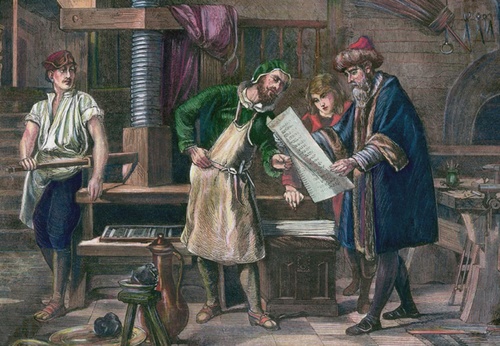
Printmaking: The Renaissance of Printmaking in the Digital World
Article
- November 21, 2026
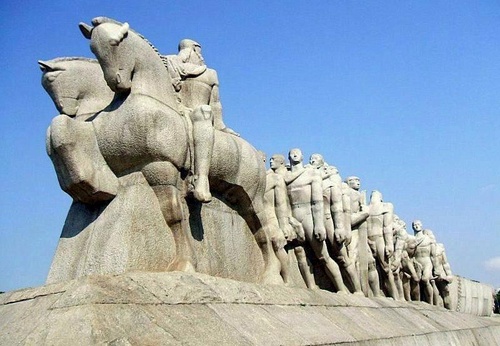
Public Sculpture and Urban Memory: From Monument to Intervention
Artist
- November 21, 2026
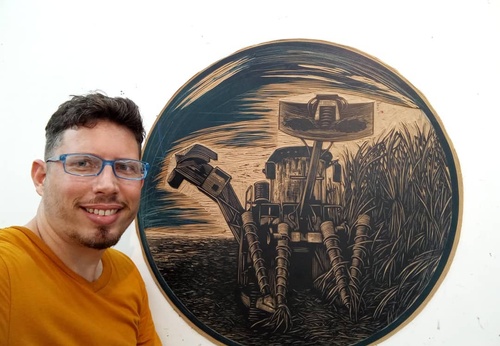
Marcel Molina Martínez - Cuba
Gallery
- November 21, 2026
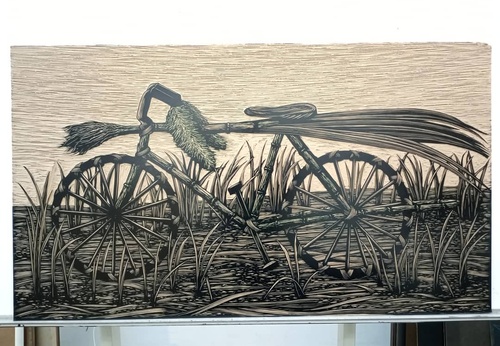
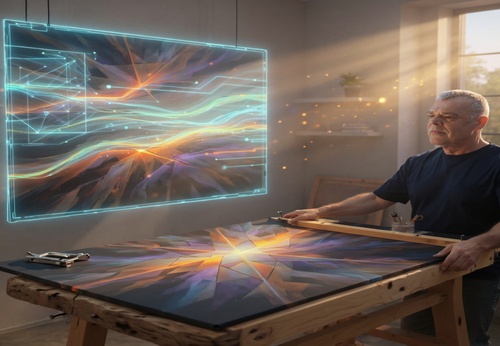
Gallery Of Illustration By Marcel Molina - Cuba
Article
- November 20, 2026
Back to the Canvas: Why Is Painting Still Alive in the Digital Age?
Article
- November 20, 2026
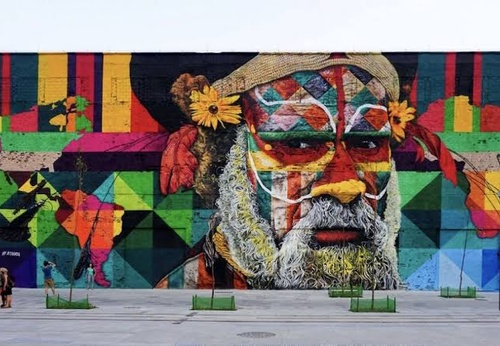
Contemporary Painting in Latin America
Contest
- November 20, 2026
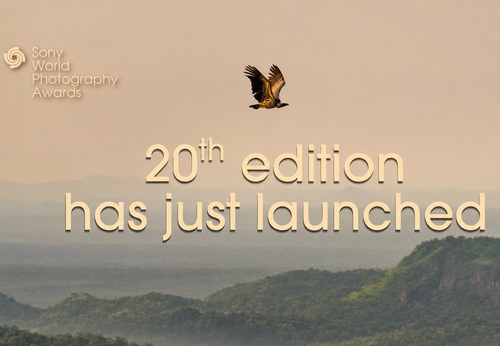
20th Sony World Photography Awards 2027 – United Kingdom

Contest

- November 21, 2026
Printmaking: The Renaissance of Printma…
- November 21, 2026
Public Sculpture and Urban Memory: From…

- November 20, 2026
Back to the Canvas: Why Is Painting Sti…
- November 20, 2026
Contemporary Painting in Latin America
- November 17, 2026
Urban Interventions and Relational Art …

- November 17, 2026
The Artist's Book and Expanded Prints i…
- November 16, 2026
Printmaking and Illustration in Venezue…
- November 16, 2026
Sculpture and Environmental Art in Pana…

- November 14, 2026
Art in Venezuela

- November 14, 2026
Contemporary Art in Panama
- November 12, 2026
The Impact of Sebastião Salgado’s Photo…
- November 11, 2026
Art in Venezuela: Public Space, Social …
- November 11, 2026
Art in Panama: Cultural Resistance and …
- November 10, 2026
Our North is the South: Universal Const…

- November 10, 2026
Magical Realism Beyond the Page: Latin …
- November 09, 2026
Art as Resistance: When Creation Transf…
- November 09, 2026
Art in the Digital Age: Between Creativ…

- November 08, 2026
AI and Identity in Latin American Art

- November 08, 2026
AI and Latin American Visual Heritage

- November 07, 2026
The Rise of Contemporary Indigenous Art…
- August 29, 2023
The history of Bolivian art

- February 19, 2024
Analysis and meaning of Van Gogh's Star…
- January 28, 2024
Culture and Art in Argentina

- September 25, 2023
What is the importance of art in human …

- September 23, 2023
What is paint?

- August 23, 2023
The 11 types of art and their meanings

- September 23, 2023
Painting characteristics
- August 10, 2023
14 questions and answers about the art …
- August 30, 2023
First artistic manifestations
- January 12, 2024
10 most beautiful statues and sculpture…
- September 23, 2023
History of painting
- October 18, 2023
History of sculpture
- May 26, 2024
Técnicas de artes visuais

- April 06, 2024
History of visual arts in Ecuador

- March 26, 2024
The importance of technology in art1
- November 21, 2024
History of Visual Arts

- July 13, 2024
The impact of artificial intelligence o…
- August 27, 2023
The history of art Mexico
- March 26, 2024
Cultural identity and its impact on art…
- April 07, 2024
Graffiti in Latin American culture
- February 19, 2024
Analysis and meaning of Van Gogh's Star…

- August 13, 2023
9 Latino painters and their great contr…
- August 23, 2023
The 11 types of art and their meanings
- August 27, 2023
15 main works of Van Gogh
- August 10, 2023
14 questions and answers about the art …
- August 29, 2023
The history of Bolivian art
- January 28, 2024
Culture and Art in Argentina
- November 06, 2023
5 Latin American artists and their works
- September 23, 2023
Painting characteristics
- September 23, 2023
What is paint?
- September 25, 2023
What is the importance of art in human …
- August 30, 2023
First artistic manifestations
- March 26, 2024
Cultural identity and its impact on art…

- January 26, 2025
10 of the best Bolivian painters
- December 18, 2023
10 iconic works by Oscar Niemeyer, geni…

- August 24, 2023
The most famous image of Ernesto "Che" …
- January 12, 2024
10 most beautiful statues and sculpture…
- May 26, 2024
Técnicas de artes visuais
- November 21, 2024
History of Visual Arts
- January 20, 2024
What is the relationship between art an…