Visual Art in El Salvador: Between Memory, Resistance, and Renewal
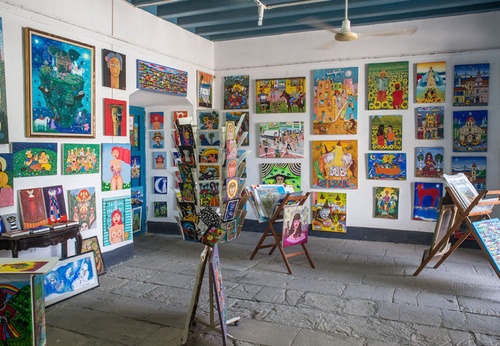
Salvadoran visual art is a profound testament to the turbulent history, cultural identity, and resilience of its people. Although less internationally recognized than that of other Central American countries, it has developed its own language, marked by the search for memory, social commentary, and, in recent decades, by an explosion of contemporary approaches.
Indigenous Roots and Colonial Legacy
The foundation of Salvadoran art lies in the traditions of the Pipil and Lenca indigenous peoples, whose heritage is manifested in ceramics (notably the "Usulután" style), pottery, and textiles. After the Spanish conquest, art became predominantly religious, with paintings and carvings of saints intended for evangelization. During the 19th and early 20th centuries, academic art, focused on portraits and landscapes, was dominant, with figures such as José Mejía Vides, considered a pioneer of modern painting in the country.
The 20th Century: From Modernism to Conflict
In the mid-20th century, movements emerged that sought to break with academia. The influence of Mexican muralism was crucial. Artists like Julia Díaz and Cañas Dinarte explored social themes with a modern language. However, the event that would radically define artistic production was the Civil War (1980-1992).
During the conflict, art became an instrument of denunciation and remembrance. Collectives like La Talla and Taller de los Vientos used printmaking (especially woodcut) and posters as weapons of popular communication. The Children of the River Society, founded in 1993 but rooted in the aftermath of the war, has dedicated itself to creating art from shrapnel collected on battlefields, symbolizing the transformation of pain into hope.
The Post-War Period and the Contemporary Emergence
With the Peace Accords, a new chapter began. The 1990s saw the founding of alternative spaces and an opening to new media. The Museum of Art of El Salvador (MARTE), inaugurated in 2003, became a cornerstone for the legitimization and dissemination of national and international art.
A new generation of artists, trained both locally and internationally, began to address themes such as migration, gang violence (the "maras"), globalization, and the reconstruction of identity. Notable among them are:
• Mauricio Esquivel: Explores migration and the global economy through installations and objects.
• Simón Vega: Creates "parasitic" sculptures that critique imperialism and geopolitics with biting humor.
• Ronald Morán: His minimalist and photographic work reflects on violence, silence, and life on the margins.
• Verónica Vides: Addresses historical memory and the body from a conceptual and poetic perspective.
• Los Intervencionistas Collective: Carries out actions in public spaces to question social realities.
Key Expressions and Spaces
• Printmaking: It remains a fundamental technique, associated with its social power and accessibility.
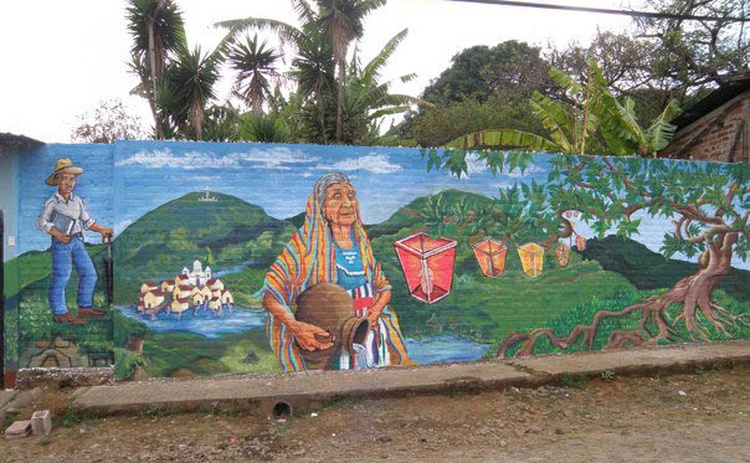
• Art in Public Spaces: Murals and interventions are common, sometimes as memory projects, other times as urban expressions.
• Fairs and Biennials: The El Salvador Art Biennial and the International Art Fair (FIAES) are vital platforms.
• Independent Spaces: Galleries like El Ático and self-managed projects are driving forces of the emerging art scene.
Challenges and Future
Salvadoran artists face challenges such as the lack of a solid local market, a scarcity of funding, and a social context still marked by violence. However, their art demonstrates an extraordinary capacity to process collective trauma, critique the present, and imagine possible futures. Salvadoran visual art is, in essence, an act of resistance and resilience, engaging with its history while powerfully inserting itself into the currents of global contemporary art.
Latamarte
Latest
Article
- December 17, 2025
Visual Art in El Salvador: Between Memory, Resistance, and Renewal
Article
- December 17, 2025
Visual Art in Cuba: A Window to Identity and Revolution

Video

Daily Artwork
- December 17, 2025
Trump Peace Plan for Gaza He is not making Anything Great Again !
Publications

Artist
- December 17, 2025
Bilquis Evely - Brazil
Contest
- December 16, 2025
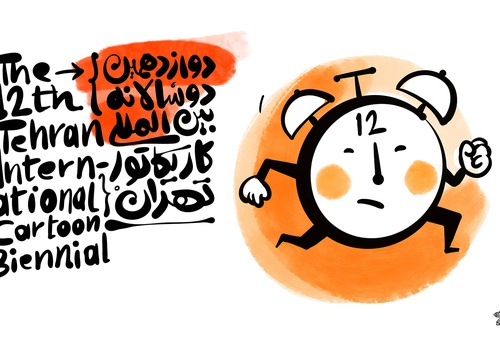
The 12th Tehran International Cartoon & Caricature Biennial / 2025
Daily Artwork
- December 16, 2025
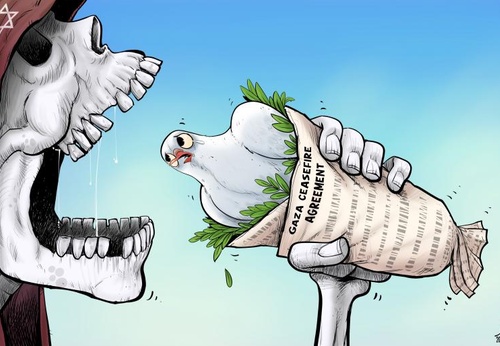
Israeli violations of the ceasefire agreement in Gaza
Daily Artwork
- December 16, 2025
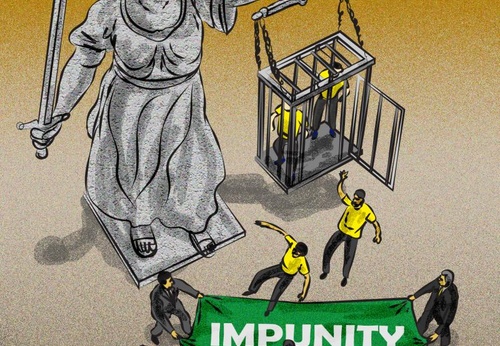
Impunity
- December 17, 2025
Visual Art in El Salvador: Between Memo…
- December 17, 2025
Visual Art in Cuba: A Window to Identit…
- December 16, 2025
Visual Art in Colombia: Diversity, Memo…
- December 16, 2025
Visual Art in Venezuela: Modernity, Ide…
- December 15, 2025
Visual Art in Paraguay: Tradition, Memo…
- December 14, 2025
Visual Art in Chile: Memory, Critique, …
- December 14, 2025
Visual Art in Bolivia: Ancestry, Resist…

- December 13, 2025
Visual Art in Peru: Ancestral Tradition…
- December 13, 2025
Visual Art in Argentina: Identity, Memo…
- December 11, 2025
The Visual Arts in Mexico: Between Myth…
- December 11, 2025
Visual Arts in Argentina: A River of Id…
- December 10, 2025
The Power of Graffiti in Mexico: Identi…

- December 10, 2025
Pioneering Women of Latin American Art:…
- December 09, 2025
Mexican Muralism and Its Continental Im…
- December 08, 2025
Indigenous and Afro-descendant Art in t…

- December 08, 2025
Current Trends in Latin American Art at…
- December 07, 2025
The Role of Conceptual Art in Brazil, C…

- December 06, 2025
New Media: Video Art and Digital Art in…

- December 04, 2025
NFTs and Emerging Latin American Artists
- December 03, 2025
Reinterpreting the Work of Fernando Bot…
- August 29, 2023
The history of Bolivian art
- February 19, 2024
Analysis and meaning of Van Gogh's Star…
- January 28, 2024
Culture and Art in Argentina

- September 25, 2023
What is the importance of art in human …

- September 23, 2023
What is paint?

- August 23, 2023
The 11 types of art and their meanings
- August 10, 2023
14 questions and answers about the art …

- September 23, 2023
Painting characteristics
- August 30, 2023
First artistic manifestations
- January 12, 2024
10 most beautiful statues and sculpture…
- September 23, 2023
History of painting

- March 26, 2024
The importance of technology in art1
- July 13, 2024
The impact of artificial intelligence o…
- March 26, 2024
Cultural identity and its impact on art…
- April 07, 2024
Graffiti in Latin American culture
- April 02, 2024
History visual arts in Brazil
- August 16, 2023
The 15 greatest painters in art history
- April 06, 2024
History of visual arts in Ecuador
- October 18, 2023
History of sculpture
- November 21, 2024
The Role of Visual Arts in Society
- February 19, 2024
Analysis and meaning of Van Gogh's Star…

- August 13, 2023
9 Latino painters and their great contr…
- August 23, 2023
The 11 types of art and their meanings
- August 10, 2023
14 questions and answers about the art …
- August 27, 2023
15 main works of Van Gogh
- August 29, 2023
The history of Bolivian art
- January 28, 2024
Culture and Art in Argentina
- November 06, 2023
5 Latin American artists and their works
- September 23, 2023
Painting characteristics
- September 23, 2023
What is paint?
- September 25, 2023
What is the importance of art in human …
- March 26, 2024
Cultural identity and its impact on art…
- August 30, 2023
First artistic manifestations
- December 18, 2023
10 iconic works by Oscar Niemeyer, geni…
- January 20, 2024
What is the relationship between art an…
- January 12, 2024
10 most beautiful statues and sculpture…

- August 24, 2023
The most famous image of Ernesto "Che" …
- October 30, 2023
Characteristics of Contemporary Art
- May 26, 2024
Técnicas de artes visuais
- August 22, 2023
What are Plastic Arts?