Artificial Intelligence is changing the way art is made
The relationship between art and technology is not new. Throughout history, new tools have profoundly transformed the way artists create, experiment with, and present their work. Photography, cinema, computer graphics, and digital art are examples of technologies that, at different times, have expanded the boundaries of artistic production.
Now, Artificial Intelligence (AI) adds a new layer to this process.
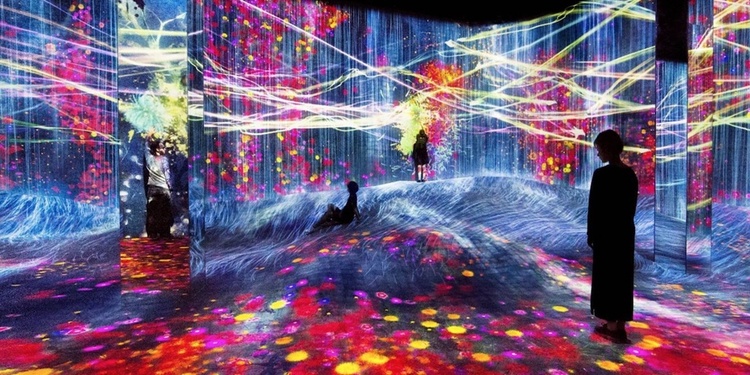
With systems capable of producing images, music, text, videos, and animations based on human prompts, artists are working with a tool that not only executes instructions but also identifies patterns and generates results that can surprise the user themselves.
Generative AI, therefore, is beginning to occupy an increasingly important space within the art world. Platforms capable of transforming text descriptions into images allow an idea to be visualized in seconds. For artists, designers, and illustrators, this can mean a new way to experiment with forms, colors, compositions, and concepts.
However, using Artificial Intelligence in art does not necessarily mean replacing the artist.
In many cases, the process still relies on human choices: which idea to develop, which references to use, what kind of result to seek, which images to discard, and how to transform the machine-generated material into a meaningful work.
In this sense, AI can be understood as a new tool within the creative process. Just as a paintbrush does not determine a painting on its own, an algorithm does not determine the meaning of a work by itself.
The debate becomes even more interesting when we ask: who is the true author of a work created with Artificial Intelligence?
There is no simple answer to this question. The system was developed by programmers, trained on vast amounts of data, and used by a person who provides instructions and selects the results. There is, therefore, a complex chain of human and technological involvement.
This discussion also alters our very definition of creativity. For a long time, the capacity to create was considered one of the most important characteristics of the human experience. The presence of AI compels artists, researchers, and cultural institutions to reconsider this concept. Perhaps the most important question is not whether a machine is creative like a human, but rather understanding what happens when humans and machines participate together in a creative process.
Art produced with artificial intelligence may therefore represent not the end of human creativity, but the emergence of new forms of collaboration between technology and imagination.
The future of art will likely be neither exclusively human nor exclusively technological; it will be built precisely in the space where the two meet.
Latest
Publications
- September 12, 2026
Turner's Whaling Pictures
Publications
- September 12, 2026
Court and Cosmos: The Great Age of the Seljuqs
Article
- September 12, 2026
Who is the author when a machine creates a work of art?
Publications
- September 12, 2026
Inspired by Assyria: Ancient Iraq & Victorian Britain
Article
- September 12, 2026
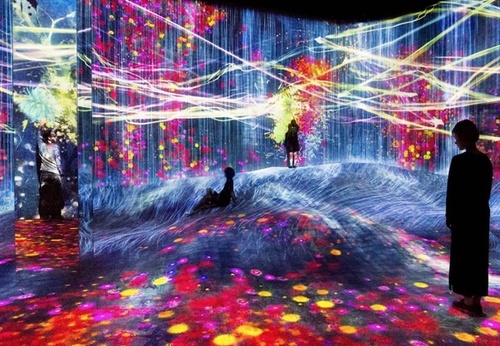
Artificial Intelligence is changing the way art is made

Publications

Publications
Gallery
- September 10, 2026
Gallery of Illustration & Graphic Works by Andy Lovell – UK
Publications
- September 10, 2026
Mastering Modern Calligraphy

- September 12, 2026
Who is the author when a machine create…
- September 12, 2026
Artificial Intelligence is changing the…
- September 09, 2026
contemporary art

- September 08, 2026
The Invisible Friction: Copyright, Ethi…
- September 07, 2026
How Generative AI Transforms the Artist…
- September 06, 2026
Contemporary Sculpture: New Materials, …
- September 06, 2026
The Art of Sculpture: Between Matter, S…
- September 03, 2026
Who Is the Author of a Work Created wit…
- September 03, 2026
Artificial Intelligence and Art: A New …

- September 02, 2026
Painting as a Form of Emotional Express…
- September 02, 2026
Brazilian Art: The Mixture of Cultures …
- August 31, 2026
Contemporary Textile Art: Threads That …
- August 29, 2026
Artificial Intelligence and the Creatio…
- August 29, 2026
Political Cartooning in Brazil: When th…
- August 26, 2026
Sliman Mansour: The Artist Who Gave Pal…
- August 22, 2026
Artificial Intelligence and the Future …

- August 22, 2026
The Magic of Minimalism; Why "Less is M…
- August 21, 2026
Kamal Sharaf: The Cartoonist Who Turned…
- August 19, 2026
Canvas or Screen? The Evolution of Crea…
- August 19, 2026
The Magic of Colors
- August 29, 2023
The history of Bolivian art
- February 19, 2024
Analysis and meaning of Van Gogh's Star…
- January 28, 2024
Culture and Art in Argentina

- September 25, 2023
What is the importance of art in human …

- September 23, 2023
What is paint?

- August 23, 2023
The 11 types of art and their meanings
- August 10, 2023
14 questions and answers about the art …

- September 23, 2023
Painting characteristics
- August 30, 2023
First artistic manifestations
- September 23, 2023
History of painting
- January 12, 2024
10 most beautiful statues and sculpture…
- March 26, 2024
The importance of technology in art1
- March 26, 2024
Cultural identity and its impact on art…

- July 13, 2024
The impact of artificial intelligence o…
- October 18, 2023
History of sculpture
- April 07, 2024
Graffiti in Latin American culture
- December 20, 2024
What is art? Definition, concept and ar…
- November 21, 2024
The Role of Visual Arts in Society

- April 06, 2024
History of visual arts in Ecuador
- August 16, 2023
The 15 greatest painters in art history
- February 19, 2024
Analysis and meaning of Van Gogh's Star…
- August 13, 2023
9 Latino painters and their great contr…
- August 23, 2023
The 11 types of art and their meanings
- August 27, 2023
15 main works of Van Gogh
- August 10, 2023
14 questions and answers about the art …
- August 29, 2023
The history of Bolivian art
- January 28, 2024
Culture and Art in Argentina
- November 06, 2023
5 Latin American artists and their works
- September 23, 2023
Painting characteristics
- September 23, 2023
What is paint?
- September 25, 2023
What is the importance of art in human …
- March 26, 2024
Cultural identity and its impact on art…
- August 30, 2023
First artistic manifestations
- December 18, 2023
10 iconic works by Oscar Niemeyer, geni…

- August 24, 2023
The most famous image of Ernesto "Che" …
- January 26, 2025
10 of the best Bolivian painters
- January 12, 2024
10 most beautiful statues and sculpture…
- January 20, 2024
What is the relationship between art an…

- October 30, 2023
Characteristics of Contemporary Art
- May 26, 2024
Técnicas de artes visuais