Artificial Intelligence in Service of Art: New Creative Possibilities in the 21st Century
Artificial intelligence (AI) has become one of the most influential technologies of our time, impacting areas such as health, education, industry, and entertainment. In the artistic field, its presence has sparked curiosity, enthusiasm, and debates about the future of creativity. Far from replacing artists, AI is consolidating itself as a tool capable of expanding the possibilities of expression and innovation.
Technology as a Partner of Creativity
Historically, art has always benefited from technological advances. The invention of photography, for example, revolutionized the way reality is recorded, while computers gave rise to digital art. Today, artificial intelligence represents another step in this evolution.
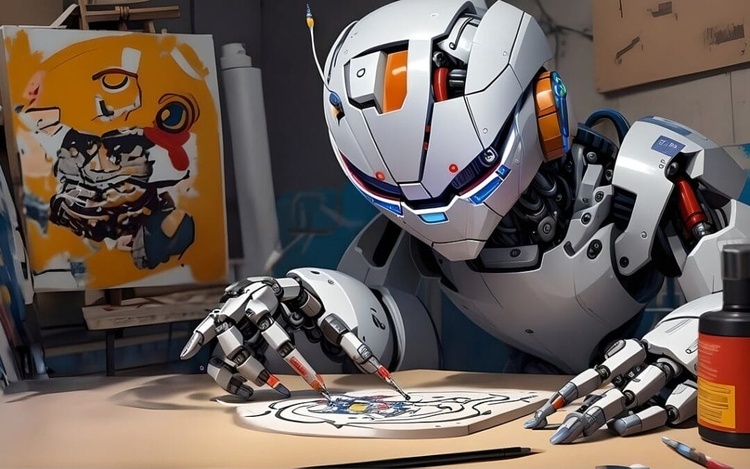
Through advanced algorithms, AI can generate images, compose music, create videos, and even assist in the production of literary texts. These tools allow artists to experiment with new ideas, explore unprecedented styles, and develop projects more quickly and efficiently.
Democratization of Artistic Creation
One of the main benefits of artificial intelligence is the democratization of access to artistic creation. People without technical training in painting, design, or music can use AI-based platforms to transform their ideas into visual or sound works.
This accessibility broadens cultural participation and encourages the creativity of individuals who previously faced barriers to expressing their talent. In Brazil, where cultural diversity is one of the greatest national riches, AI can contribute to the emergence of new artistic voices and languages.
Ethical and Cultural Challenges
Despite the advantages, the use of artificial intelligence in art also raises concerns. Issues related to copyright, authorship of works, and the use of protected content to train algorithms are widely discussed topics.
Furthermore, experts warn of the risk of cultural homogenization if AI systems are fed with limited or undiverse datasets. Therefore, it is essential to develop ethical and transparent practices that value both technological innovation and human artistic production.
The Future of Art and Artificial Intelligence
The future points to an increasingly close collaboration between artists and machines. Instead of competing with creators, artificial intelligence tends to function as an extension of their imagination, offering new tools to transform ideas into reality.
In the Brazilian context, the combination of creativity, cultural diversity, and technology can generate innovative works that engage with different audiences and strengthen the presence of national art on the global stage.
Conclusion
Artificial intelligence is redefining how art is created, shared, and appreciated. When used ethically and consciously, it becomes a powerful ally for artists, expanding creative horizons and stimulating new forms of expression. Thus, AI does not represent the end of human creativity, but rather the beginning of a new phase of collaboration between technology and art.
Latamarte
Latest
Publications
- September 20, 2026
Chinese Decorative Arts
Article
- September 20, 2026
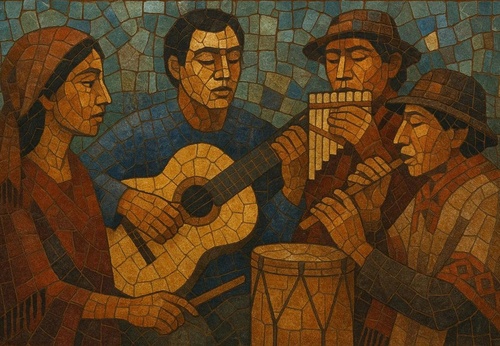
Culture, Art, and Music in Colombia
Publications
- September 20, 2026
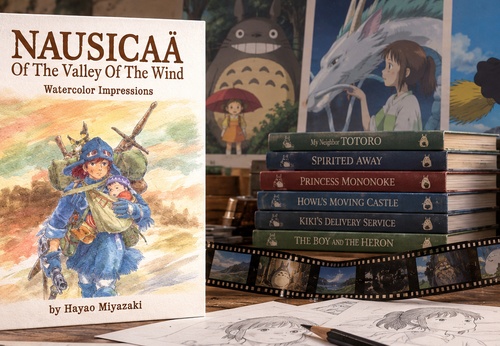
The Art of Nausicaä by Hayao Miyazaki, Japan
Daily Artwork
- September 20, 2026
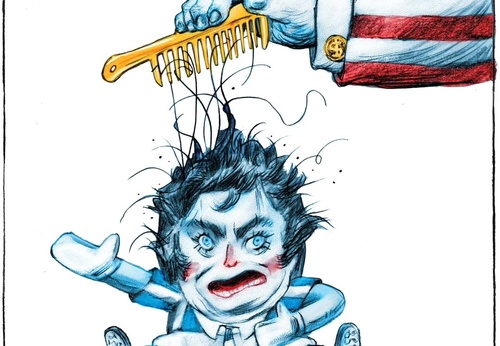
USA and Javier Milei — by Cau Gomez, Brazil
Gallery
- September 20, 2026
Gallery of Political Cartoons by Quinho – Brazil
Daily Artwork
- September 20, 2026
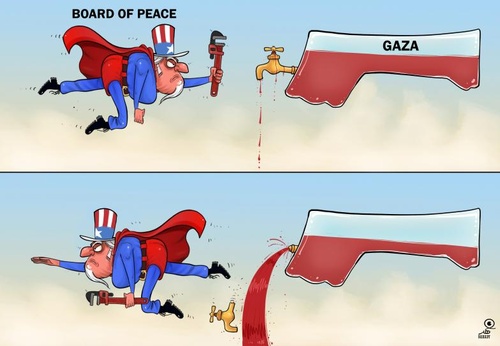
Board of Peace and gaza...
Publications
Daily Artwork
- September 19, 2026
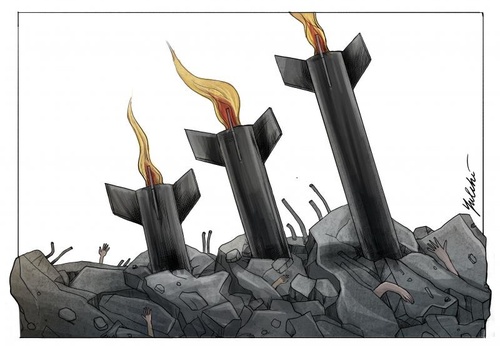
Bloody advertisement A shoe for one foot, silence for thousands of feet.
Daily Artwork
- September 19, 2026
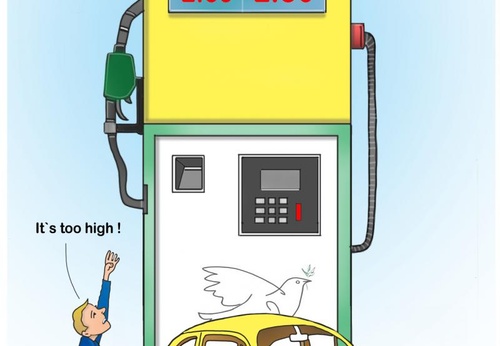
Make America Great Again ?!
- September 20, 2026
Culture, Art, and Music in Colombia
- September 16, 2026
Modern Art in the Face of Technology an…
- September 16, 2026
Modern Art and the Construction of New …

- September 12, 2026
Who is the author when a machine create…
- September 12, 2026
Artificial Intelligence is changing the…
- September 09, 2026
contemporary art

- September 08, 2026
The Invisible Friction: Copyright, Ethi…
- September 07, 2026
How Generative AI Transforms the Artist…
- September 06, 2026
Contemporary Sculpture: New Materials, …
- September 06, 2026
The Art of Sculpture: Between Matter, S…
- September 03, 2026
Who Is the Author of a Work Created wit…
- September 03, 2026
Artificial Intelligence and Art: A New …

- September 02, 2026
Painting as a Form of Emotional Express…
- September 02, 2026
Brazilian Art: The Mixture of Cultures …
- August 31, 2026
Contemporary Textile Art: Threads That …
- August 29, 2026
Artificial Intelligence and the Creatio…

- August 29, 2026
Political Cartooning in Brazil: When th…
- August 26, 2026
Sliman Mansour: The Artist Who Gave Pal…
- August 22, 2026
Artificial Intelligence and the Future …

- August 22, 2026
The Magic of Minimalism; Why "Less is M…
- August 29, 2023
The history of Bolivian art
- February 19, 2024
Analysis and meaning of Van Gogh's Star…
- January 28, 2024
Culture and Art in Argentina

- September 25, 2023
What is the importance of art in human …
- September 23, 2023
What is paint?

- August 23, 2023
The 11 types of art and their meanings
- August 10, 2023
14 questions and answers about the art …

- September 23, 2023
Painting characteristics
- August 30, 2023
First artistic manifestations
- January 12, 2024
10 most beautiful statues and sculpture…
- September 23, 2023
History of painting
- October 18, 2023
History of sculpture
- March 26, 2024
The importance of technology in art1

- July 13, 2024
The impact of artificial intelligence o…
- March 26, 2024
Cultural identity and its impact on art…
- August 27, 2023
The history of art Mexico
- April 07, 2024
Graffiti in Latin American culture
- November 21, 2024
History of Visual Arts
- December 20, 2024
What is art? Definition, concept and ar…
- November 21, 2024
The Role of Visual Arts in Society
- February 19, 2024
Analysis and meaning of Van Gogh's Star…
- August 13, 2023
9 Latino painters and their great contr…
- August 23, 2023
The 11 types of art and their meanings
- August 27, 2023
15 main works of Van Gogh
- August 10, 2023
14 questions and answers about the art …
- August 29, 2023
The history of Bolivian art
- January 28, 2024
Culture and Art in Argentina
- November 06, 2023
5 Latin American artists and their works
- September 23, 2023
Painting characteristics
- September 23, 2023
What is paint?
- September 25, 2023
What is the importance of art in human …
- August 30, 2023
First artistic manifestations
- March 26, 2024
Cultural identity and its impact on art…
- December 18, 2023
10 iconic works by Oscar Niemeyer, geni…

- August 24, 2023
The most famous image of Ernesto "Che" …

- January 26, 2025
10 of the best Bolivian painters
- January 12, 2024
10 most beautiful statues and sculpture…
- January 20, 2024
What is the relationship between art an…

- October 30, 2023
Characteristics of Contemporary Art
- May 26, 2024
Técnicas de artes visuais