How Art Transforms Our Reality
Art is, without a doubt, the most profound and authentic form of human communication. Where words fail or become insufficient, colors, shapes, and textures gain a voice. More than just aesthetics, art is a window to the soul of the creator and a mirror for those who observe it.
The Power of Expression and Emotion
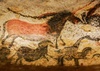
Historically, art has acted as the great emotional record of society. From ancient cave paintings that told stories of survival to the complex contemporary digital art, humankind has always sought ways to materialize its feelings.
When an artist picks up a brush, they are not just mixing pigments; they are translating:
Anguish and fears: Transforming pain into beauty and understanding.
Joys and hopes: Capturing fleeting moments for eternity.
Social critiques: Challenging the status quo and provoking necessary reflections in society.
Far Beyond Museum Walls
Often, there's a misconception that art is confined to cold, silent, and elitist galleries. However, the true magic of art lies in its omnipresence. It pulsates in the streets through vibrant graffiti that brings life to gray concrete, in the architecture of the cities we inhabit, in the music that sets the rhythm of our day, and in the design of the objects we use daily.
A Vital Necessity
Consuming and appreciating art is not a mere luxury, but a vital necessity for maintaining our humanity. In an increasingly fast-paced and technology-dominated world, stopping for a few minutes to observe a painting, listen to a melody, or read a poem is an act of resistance.
Art teaches us empathy, to see the world through the eyes of others, and above all, reminds us that, regardless of where we come from, we all share the same complex and wonderful human experience.
Latamarte
Latest
Article
- September 30, 2026
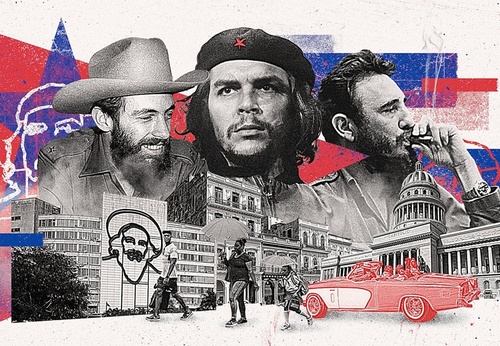
Cuba: Revolution, Diaspora, and the Aesthetic Reinvention of an Island
Article
- September 30, 2026
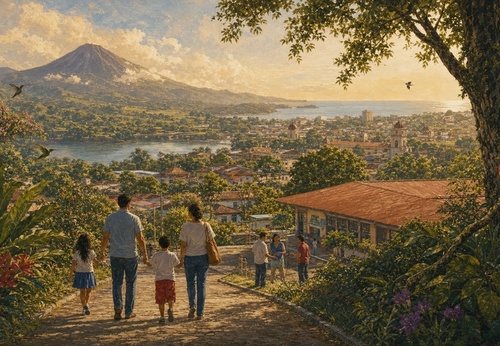
Costa Rica: Art, Nature, and the Construction of a Peaceful Identity
Publications
- September 30, 2026
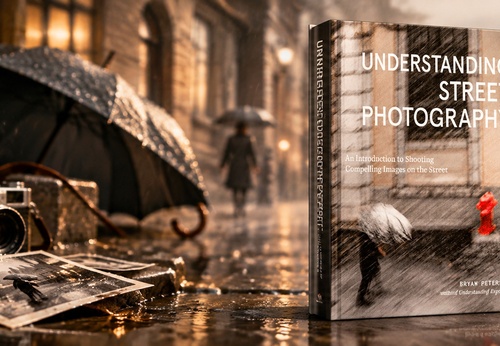
UNDERSTANDING STREET PHOTOGRAPHY
Daily Artwork
- September 30, 2026
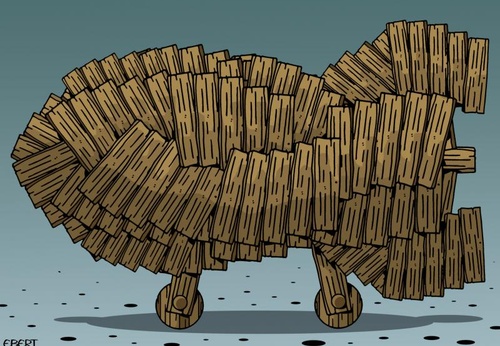
Trojan horse Do not let it in...
Publications
Article
- September 29, 2026
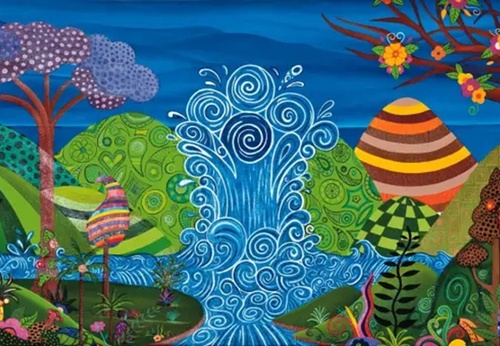
Colombia: Violence, Color, and the Search for a Plural Identity
Article
- September 29, 2026
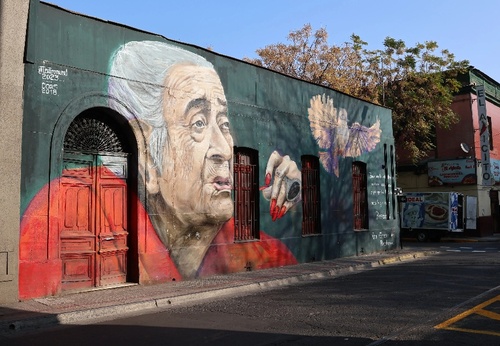
Chile: Art, Utopia, and Resistance in the Shadow of Dictatorship
Daily Artwork
- September 29, 2026
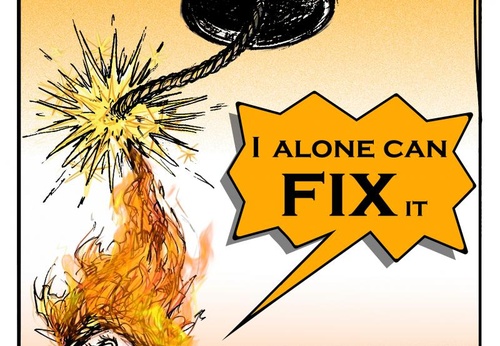
"I alone can fix it" Strait of Hormuz crisis
Daily Artwork
- September 29, 2026
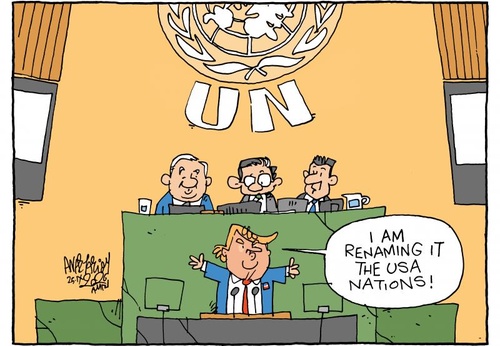
"U" stands for...
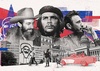
- September 30, 2026
Cuba: Revolution, Diaspora, and the Aes…
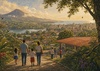
- September 30, 2026
Costa Rica: Art, Nature, and the Constr…
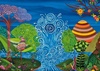
- September 29, 2026
Colombia: Violence, Color, and the Sear…
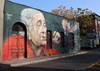
- September 29, 2026
Chile: Art, Utopia, and Resistance in t…
- September 26, 2026
Bolivia: Art as a Weave of Ancestral an…
- September 26, 2026
Brazil: From Anthropophagism to the Con…
- September 22, 2026
Argentina: Between Cosmopolitan Avant-G…
- September 22, 2026
Art in Venezuela: Modernity, Kinetic Ar…
- September 21, 2026
Art in Bolivia: Between Ancestral Herit…
- September 20, 2026
Culture, Art, and Music in Colombia
- September 16, 2026
Modern Art in the Face of Technology an…
- September 16, 2026
Modern Art and the Construction of New …
- September 12, 2026
Who is the author when a machine create…
- September 12, 2026
Artificial Intelligence is changing the…
- September 09, 2026
contemporary art

- September 08, 2026
The Invisible Friction: Copyright, Ethi…

- September 07, 2026
How Generative AI Transforms the Artist…
- September 06, 2026
Contemporary Sculpture: New Materials, …
- September 06, 2026
The Art of Sculpture: Between Matter, S…

- September 03, 2026
Who Is the Author of a Work Created wit…
- August 29, 2023
The history of Bolivian art
- February 19, 2024
Analysis and meaning of Van Gogh's Star…
- January 28, 2024
Culture and Art in Argentina
- September 25, 2023
What is the importance of art in human …
- September 23, 2023
What is paint?

- August 23, 2023
The 11 types of art and their meanings
- August 10, 2023
14 questions and answers about the art …

- September 23, 2023
Painting characteristics
- August 30, 2023
First artistic manifestations
- January 12, 2024
10 most beautiful statues and sculpture…
- September 23, 2023
History of painting
- October 18, 2023
History of sculpture

- April 06, 2024
History of visual arts in Ecuador
- March 26, 2024
The importance of technology in art1
- August 27, 2023
The history of art Mexico

- July 13, 2024
The impact of artificial intelligence o…
- March 26, 2024
Cultural identity and its impact on art…
- December 20, 2024
What is art? Definition, concept and ar…
- April 07, 2024
Graffiti in Latin American culture
- November 21, 2024
History of Visual Arts
- February 19, 2024
Analysis and meaning of Van Gogh's Star…
- August 13, 2023
9 Latino painters and their great contr…
- August 23, 2023
The 11 types of art and their meanings
- August 27, 2023
15 main works of Van Gogh
- August 10, 2023
14 questions and answers about the art …
- August 29, 2023
The history of Bolivian art
- January 28, 2024
Culture and Art in Argentina
- November 06, 2023
5 Latin American artists and their works
- September 23, 2023
Painting characteristics
- September 23, 2023
What is paint?
- September 25, 2023
What is the importance of art in human …
- August 30, 2023
First artistic manifestations
- March 26, 2024
Cultural identity and its impact on art…
- December 18, 2023
10 iconic works by Oscar Niemeyer, geni…
- January 26, 2025
10 of the best Bolivian painters

- August 24, 2023
The most famous image of Ernesto "Che" …
- January 12, 2024
10 most beautiful statues and sculpture…
- January 20, 2024
What is the relationship between art an…
- October 30, 2023
Characteristics of Contemporary Art
- May 26, 2024
Técnicas de artes visuais