Modern Art: Rupture, Experimentation, and New Visions of the World
Modern art, which emerged in the late 19th century and consolidated throughout the 20th century, represents one of the most revolutionary and transformative periods in the history of visual creation. Far from being a homogeneous movement, modern art is a diverse and often contradictory set of currents, styles, and attitudes that share a common denominator: the radical break with academic traditions and the relentless search for new expressive languages that would reflect the complexity, speed, and contradictions of the modern era.
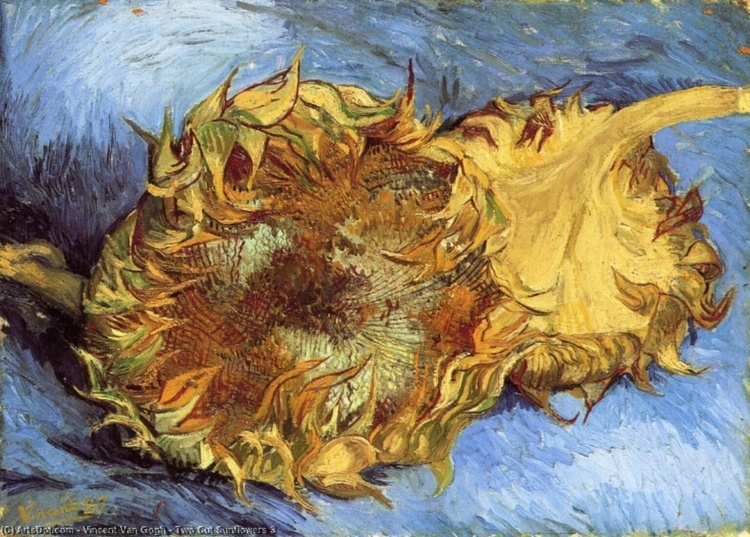
The initial impulse of modern art dates back to the second half of the 19th century, with figures such as Édouard Manet and the Impressionists, who challenged established canons by painting scenes of everyday life with loose brushstrokes and vibrant colors, moving away from academic realism and historical or mythological themes. This was the first major rupture, but it was soon followed by others even more radical: the Post-Impressionism of Paul Cézanne, Vincent van Gogh, and Paul Gauguin explored subjectivity, emotion, and the geometric structure of nature, sowing the seeds of what was to come.
The true spirit of rupture in modern art materialized in the first decades of the 20th century with the emergence of the historical avant-gardes. Fauvism, led by Henri Matisse, liberated color from its descriptive function to turn it into a vehicle of pure expression. Cubism, created by Pablo Picasso and Georges Braque, definitively broke with Renaissance perspective, fragmenting objects and representing them from multiple simultaneous viewpoints on a single plane. Futurism, for its part, exalted speed, technology, and violence, while Expressionism, in Germany, explored the anxieties and unease of modern human beings through distorted forms and dramatic colors.
Modern art was also characterized by its spirit of experimentation with materials and supports. Artists like the Russian Wassily Kandinsky took the definitive step toward abstraction, liberating painting from the obligation to represent the visible world and turning it into an autonomous language of forms, lines, and colors with its own musicality and spiritual meaning. At the same time, Dadaism, which emerged as a reaction to the horror of the First World War, took irreverence to the extreme, questioning the very notion of art by incorporating found objects (ready-mades) and celebrating the absurd and chance as creative principles.
One of the most influential movements of modern art was Surrealism, led by André Breton, which sought to explore the unconscious, dreams, and the irrational through dreamlike images, surprising juxtapositions, and techniques such as psychic automatism. Figures like Salvador Dalí, René Magritte, and even Frida Kahlo (although she herself rejected the label) created visual universes that defied logic and revealed the hidden depths of the human psyche.
Modern art was not only an aesthetic revolution; it was also a profound reflection on the role of the artist in society. Artists like Marcel Duchamp not only created provocative works such as The Fountain (a signed urinal) but also raised fundamental questions: what is art?, who decides what art is?, can any object be art if the artist decides so? These questions opened the door to postmodernity and conceptual art, forever transforming the relationship between the creator, the work, and the viewer.
Despite its diversity, modern art shares some common characteristics: the autonomy of art from the faithful representation of reality, the emphasis on innovation and originality, the rejection of traditional hierarchies between artistic genres, and constant self-criticism and self-reflection. It was an art that, like the society that saw it born, felt fascinated by progress, science, and technology, but also deeply anguished by wars, economic crises, and the alienation of the individual in the big city.
Today, modern art continues to be the subject of debate and admiration. Its works, which in their time were scandalous and incomprehensible to the public, have become icons of global culture, exhibited in the most prestigious museums and valued at astronomical prices. But beyond its economic value, the legacy of modern art is its ability to teach us to see the world with other eyes, to question the established, and to imagine alternative realities. As the French poet Charles Baudelaire stated, modern art is "the fleeting, evanescent, and contingent beauty" of modern life, captured by artists who knew how to be witnesses of their time and, at the same time, prophets of an uncertain future. In short, modern art was, and continues to be, the most vibrant expression of creative freedom and the human capacity to reinvent itself.
Latamarte
Latest
Daily Artwork
- September 19, 2026
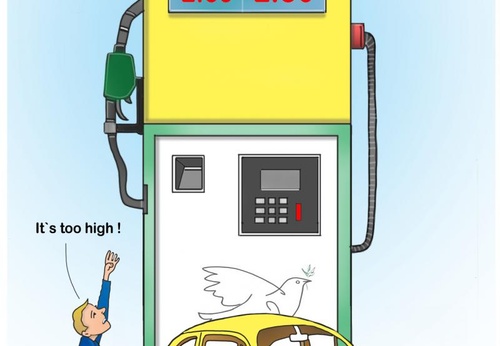
Bloody advertisement A shoe for one foot, silence for thousands of feet.
Daily Artwork
- September 19, 2026
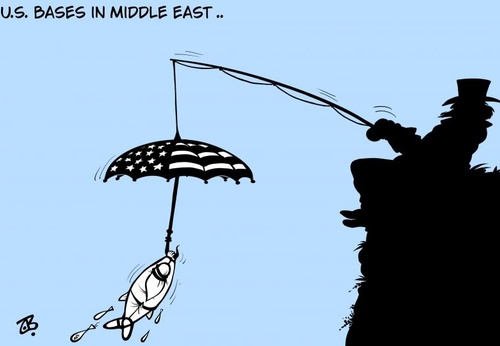
Make America Great Again ?!
Daily Artwork
Publications
Publications
- September 18, 2026
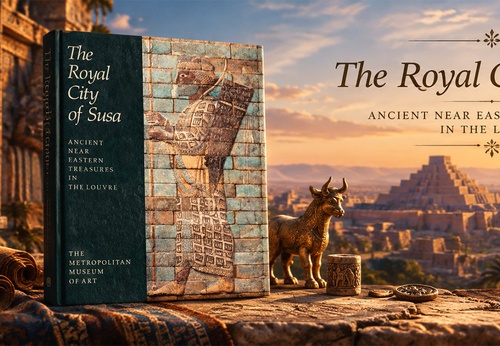
The Royal City of Susa
Publications
- September 18, 2026
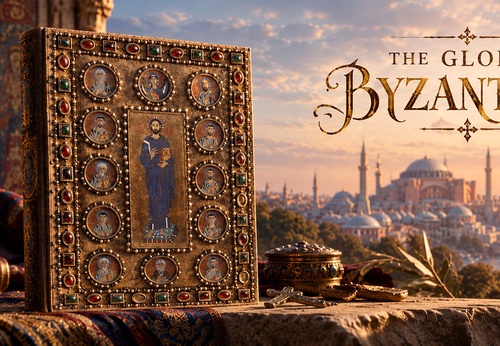
THE GLORY OF BYZANTYIUM
Publications
- September 18, 2026
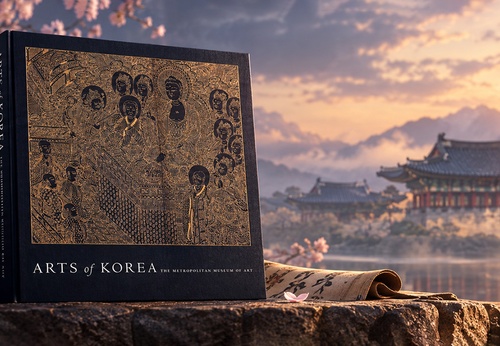
Arts of Korea

Artist
- September 17, 2026
José A. Rodríguez Avila
Publications
- September 17, 2026
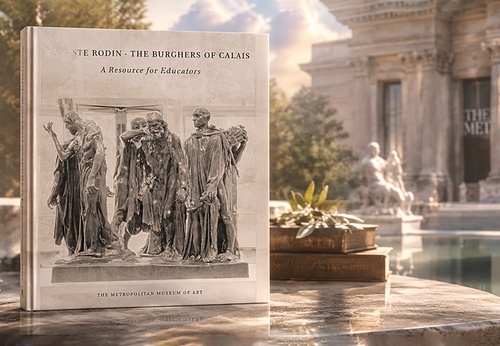
Auguste Rodin · The Burghers of Calais
- September 16, 2026
Modern Art in the Face of Technology an…
- September 16, 2026
Modern Art and the Construction of New …
- September 12, 2026
Who is the author when a machine create…
- September 12, 2026
Artificial Intelligence is changing the…
- September 09, 2026
contemporary art

- September 08, 2026
The Invisible Friction: Copyright, Ethi…

- September 07, 2026
How Generative AI Transforms the Artist…
- September 06, 2026
Contemporary Sculpture: New Materials, …
- September 06, 2026
The Art of Sculpture: Between Matter, S…

- September 03, 2026
Who Is the Author of a Work Created wit…

- September 03, 2026
Artificial Intelligence and Art: A New …

- September 02, 2026
Painting as a Form of Emotional Express…
- September 02, 2026
Brazilian Art: The Mixture of Cultures …
- August 31, 2026
Contemporary Textile Art: Threads That …

- August 29, 2026
Artificial Intelligence and the Creatio…

- August 29, 2026
Political Cartooning in Brazil: When th…
- August 26, 2026
Sliman Mansour: The Artist Who Gave Pal…
- August 22, 2026
Artificial Intelligence and the Future …

- August 22, 2026
The Magic of Minimalism; Why "Less is M…
- August 21, 2026
Kamal Sharaf: The Cartoonist Who Turned…
- August 29, 2023
The history of Bolivian art
- February 19, 2024
Analysis and meaning of Van Gogh's Star…
- January 28, 2024
Culture and Art in Argentina
- September 25, 2023
What is the importance of art in human …

- September 23, 2023
What is paint?

- August 23, 2023
The 11 types of art and their meanings
- August 10, 2023
14 questions and answers about the art …

- September 23, 2023
Painting characteristics
- August 30, 2023
First artistic manifestations
- January 12, 2024
10 most beautiful statues and sculpture…
- September 23, 2023
History of painting
- October 18, 2023
History of sculpture
- March 26, 2024
The importance of technology in art1
- March 26, 2024
Cultural identity and its impact on art…
- July 13, 2024
The impact of artificial intelligence o…
- August 27, 2023
The history of art Mexico
- November 21, 2024
History of Visual Arts
- April 07, 2024
Graffiti in Latin American culture
- December 20, 2024
What is art? Definition, concept and ar…
- November 21, 2024
The Role of Visual Arts in Society
- February 19, 2024
Analysis and meaning of Van Gogh's Star…
- August 13, 2023
9 Latino painters and their great contr…
- August 23, 2023
The 11 types of art and their meanings
- August 27, 2023
15 main works of Van Gogh
- August 10, 2023
14 questions and answers about the art …
- August 29, 2023
The history of Bolivian art
- January 28, 2024
Culture and Art in Argentina
- November 06, 2023
5 Latin American artists and their works
- September 23, 2023
Painting characteristics
- September 23, 2023
What is paint?
- September 25, 2023
What is the importance of art in human …
- August 30, 2023
First artistic manifestations
- March 26, 2024
Cultural identity and its impact on art…
- December 18, 2023
10 iconic works by Oscar Niemeyer, geni…

- August 24, 2023
The most famous image of Ernesto "Che" …
- January 26, 2025
10 of the best Bolivian painters
- January 12, 2024
10 most beautiful statues and sculpture…
- January 20, 2024
What is the relationship between art an…
- October 30, 2023
Characteristics of Contemporary Art
- May 26, 2024
Técnicas de artes visuais