Modern Art in the Face of Technology and Mass Society
The rise of technology and mass society was one of the major themes that permeated modern art. Modern artists were not mere spectators of the industrial revolution and urbanization; many were fascinated by machines, speed, and new media, while others fiercely criticized them for their dehumanizing effects.
Italian Futurism, led by Filippo Tommaso Marinetti, was perhaps the movement that most exalted technology. In his 1909 manifesto, Marinetti proclaimed that "a roaring automobile that seems to run on shrapnel is more beautiful than the Winged Victory of Samothrace." The Futurists celebrated speed, violence, and war as means of purging the old world, and sought to translate the dynamism of modern life into their works through lines of force, vibrant colors, and fragmented compositions.
In contrast, movements like Dadaism and Surrealism expressed a profound distrust of technology and rationality, which they believed had led to the catastrophe of the First World War. Duchamp, with his readymades, questioned the sanctity of the art object in an era of mass production, while the Surrealists explored the unconscious and dreams as refuges from an increasingly mechanized and alienating world.
Photography and film, meanwhile, radically transformed the way we see and represent the world. Artists like Man Ray experimented with camera-less photography (rayographs), while film became a laboratory for new visual narratives. The technical reproduction of the artwork, analyzed by Walter Benjamin in his famous 1936 essay, called into question the very notion of originality and authenticity, paving the way for conceptual art and mass culture.
In Latin America, artists like Joaquín Torres García and Xul Solar sought to integrate technology and spirituality into their works, creating symbolic systems that combined geometry, astrology, and ancestral traditions. Modern art, ultimately, was a mirror of the contradictions of its time: it celebrated the liberating possibilities of technology while simultaneously denouncing its dangers, and laid the groundwork for debates that remain urgent even today in the digital age.
Latamarte
Latest
Article
- September 16, 2026
Modern Art in the Face of Technology and Mass Society
Article
- September 16, 2026
Modern Art and the Construction of New Cultural Identities
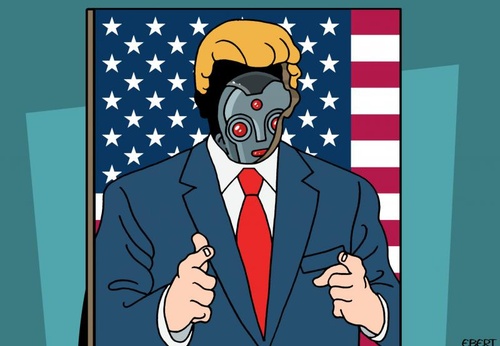
Daily Artwork
Publications
Publications
- September 15, 2026
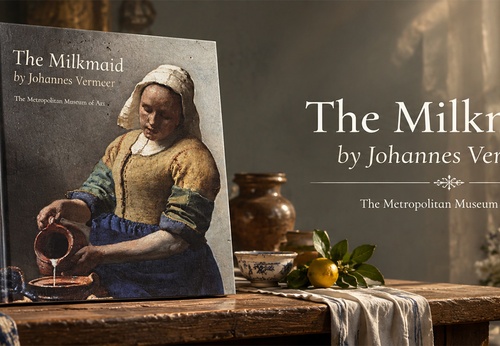
The Milkmaid by Johannes Vermeer
Publications
- September 15, 2026
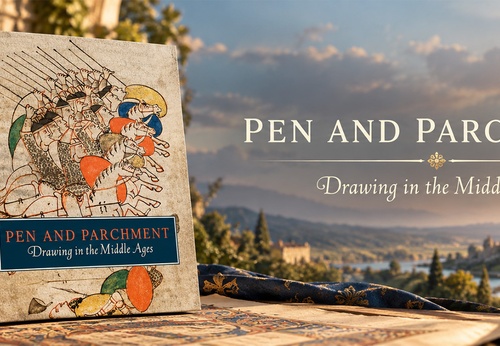
Pen and Parchment: Drawing in the Middle Ages
Publications
Daily Artwork
- September 15, 2026
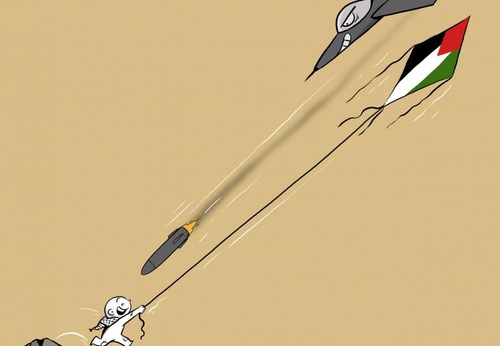
Unequal fight Flying kites is a dangerous pastime in Gaza.
Daily Artwork
- September 15, 2026
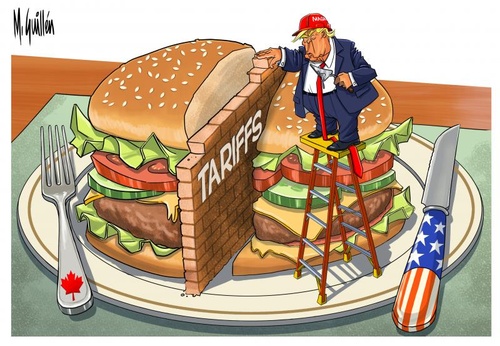
The tariff wall The trade war between the US and Canada escalates.
- September 16, 2026
Modern Art in the Face of Technology an…
- September 16, 2026
Modern Art and the Construction of New …

- September 12, 2026
Who is the author when a machine create…
- September 12, 2026
Artificial Intelligence is changing the…
- September 09, 2026
contemporary art

- September 08, 2026
The Invisible Friction: Copyright, Ethi…

- September 07, 2026
How Generative AI Transforms the Artist…

- September 06, 2026
Contemporary Sculpture: New Materials, …
- September 06, 2026
The Art of Sculpture: Between Matter, S…

- September 03, 2026
Who Is the Author of a Work Created wit…

- September 03, 2026
Artificial Intelligence and Art: A New …

- September 02, 2026
Painting as a Form of Emotional Express…

- September 02, 2026
Brazilian Art: The Mixture of Cultures …
- August 31, 2026
Contemporary Textile Art: Threads That …

- August 29, 2026
Artificial Intelligence and the Creatio…
- August 29, 2026
Political Cartooning in Brazil: When th…
- August 26, 2026
Sliman Mansour: The Artist Who Gave Pal…
- August 22, 2026
Artificial Intelligence and the Future …

- August 22, 2026
The Magic of Minimalism; Why "Less is M…
- August 21, 2026
Kamal Sharaf: The Cartoonist Who Turned…
- August 29, 2023
The history of Bolivian art
- February 19, 2024
Analysis and meaning of Van Gogh's Star…
- January 28, 2024
Culture and Art in Argentina

- September 25, 2023
What is the importance of art in human …

- September 23, 2023
What is paint?

- August 23, 2023
The 11 types of art and their meanings
- August 10, 2023
14 questions and answers about the art …

- September 23, 2023
Painting characteristics
- August 30, 2023
First artistic manifestations
- September 23, 2023
History of painting
- January 12, 2024
10 most beautiful statues and sculpture…
- March 26, 2024
The importance of technology in art1

- July 13, 2024
The impact of artificial intelligence o…
- March 26, 2024
Cultural identity and its impact on art…
- October 18, 2023
History of sculpture
- August 27, 2023
The history of art Mexico
- April 07, 2024
Graffiti in Latin American culture
- December 20, 2024
What is art? Definition, concept and ar…
- November 21, 2024
The Role of Visual Arts in Society

- April 06, 2024
History of visual arts in Ecuador
- February 19, 2024
Analysis and meaning of Van Gogh's Star…

- August 13, 2023
9 Latino painters and their great contr…
- August 23, 2023
The 11 types of art and their meanings
- August 27, 2023
15 main works of Van Gogh
- August 10, 2023
14 questions and answers about the art …
- August 29, 2023
The history of Bolivian art
- January 28, 2024
Culture and Art in Argentina
- November 06, 2023
5 Latin American artists and their works
- September 23, 2023
Painting characteristics
- September 23, 2023
What is paint?
- September 25, 2023
What is the importance of art in human …
- March 26, 2024
Cultural identity and its impact on art…
- August 30, 2023
First artistic manifestations
- December 18, 2023
10 iconic works by Oscar Niemeyer, geni…

- August 24, 2023
The most famous image of Ernesto "Che" …

- January 26, 2025
10 of the best Bolivian painters
- January 12, 2024
10 most beautiful statues and sculpture…
- January 20, 2024
What is the relationship between art an…
- October 30, 2023
Characteristics of Contemporary Art
- May 26, 2024
Técnicas de artes visuais