Canvas or Screen? The Evolution of Creativity in the Digital Art Era
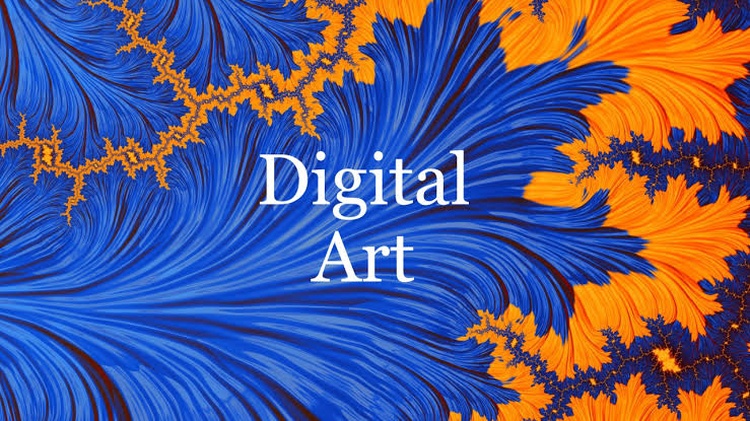
With the dawn of the 21st century, brushes and oil paints found a serious rival: styluses and graphics tablets. The rise of digital art sparked heated debates among critics and artists. Does digital art possess the same authenticity as traditional art? Can a screen replace the canvas?
Fundamental Differences: The Smell of Paint vs. the Undo Button
Traditional art is strongly linked to the physical senses. The rough texture of the canvas, the strong smell of turpentine and oil paint, and the sensation of physically mixing colors on the palette are experiences that no software can simulate. In traditional art, mistakes become part of the final work, and these small imperfections give it "soul."
In contrast, digital art offers the artist unlimited freedom:
Infinite possibilities: You have access to thousands of brush types, textures, and colors in an instant.
Boldness in creation: The existence of the magical undo button eliminates the fear of ruining the work and empowers the artist to try out their wildest ideas.
Speed and distribution: Creating, editing, and publishing a digital work worldwide requires only a few clicks.
Confrontation or evolution?
The reality is that digital art didn't come to destroy traditional art; it came to expand the boundaries of creativity. Many contemporary artists use both methods. They sketch their initial ideas on paper and create the final version in programs like Photoshop or Procreate.
In the end, the tool doesn't matter; whether it's a piece of charcoal in the Lascaux caves or an advanced stylus in Hollywood studios. What matters is the artist's creative mind and the message they want to convey to the world. Art, in any of its forms, will find its way into human hearts.
Latamarte
Latest
Article
- October 05, 2026
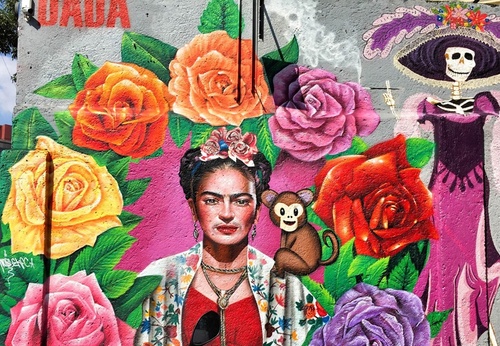
Urban Art in Latin America: Walls That Tell Stories

Gallery
- October 05, 2026
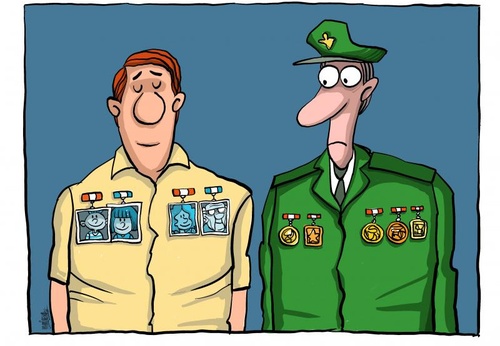
Gallery Of Cartoon By Sinan KILIC - Türkiye
Daily Artwork
Article
- October 04, 2026
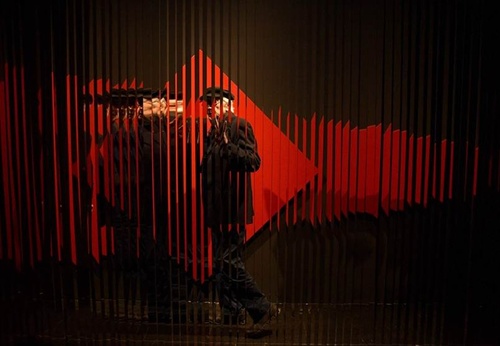
Argentina: Kinetic Art and Spectator Participation

Daily Artwork
- October 04, 2026
Post mortem

Daily Artwork
- October 04, 2026
SOLD
News
- October 04, 2026
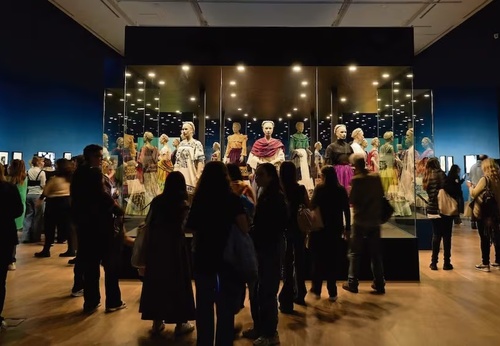
MALBA in Buenos Aires Celebrates 25 Years with Frida Kahlo

Publications
Daily Artwork
- October 03, 2026
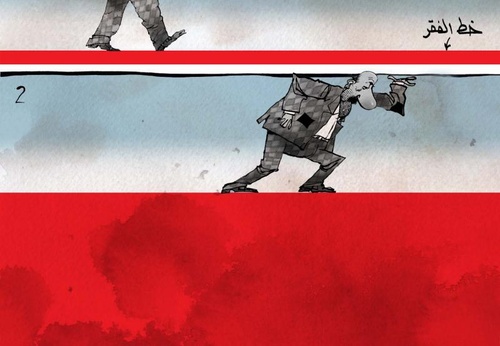
poverty line

- October 05, 2026
Urban Art in Latin America: Walls That …

- October 04, 2026
Argentina: Kinetic Art and Spectator Pa…
- September 30, 2026
Cuba: Revolution, Diaspora, and the Aes…

- September 30, 2026
Costa Rica: Art, Nature, and the Constr…

- September 29, 2026
Colombia: Violence, Color, and the Sear…
- September 29, 2026
Chile: Art, Utopia, and Resistance in t…
- September 26, 2026
Bolivia: Art as a Weave of Ancestral an…

- September 26, 2026
Brazil: From Anthropophagism to the Con…
- September 22, 2026
Argentina: Between Cosmopolitan Avant-G…
- September 22, 2026
Art in Venezuela: Modernity, Kinetic Ar…
- September 21, 2026
Art in Bolivia: Between Ancestral Herit…
- September 20, 2026
Culture, Art, and Music in Colombia

- September 16, 2026
Modern Art in the Face of Technology an…
- September 16, 2026
Modern Art and the Construction of New …

- September 12, 2026
Who is the author when a machine create…

- September 12, 2026
Artificial Intelligence is changing the…

- September 09, 2026
contemporary art

- September 08, 2026
The Invisible Friction: Copyright, Ethi…

- September 07, 2026
How Generative AI Transforms the Artist…

- September 06, 2026
Contemporary Sculpture: New Materials, …
- August 29, 2023
The history of Bolivian art
- February 19, 2024
Analysis and meaning of Van Gogh's Star…
- January 28, 2024
Culture and Art in Argentina

- September 25, 2023
What is the importance of art in human …

- September 23, 2023
What is paint?

- August 23, 2023
The 11 types of art and their meanings
- August 10, 2023
14 questions and answers about the art …

- September 23, 2023
Painting characteristics
- August 30, 2023
First artistic manifestations

- January 12, 2024
10 most beautiful statues and sculpture…
- September 23, 2023
History of painting
- October 18, 2023
History of sculpture

- April 06, 2024
History of visual arts in Ecuador

- March 26, 2024
The importance of technology in art1
- March 26, 2024
Cultural identity and its impact on art…

- July 13, 2024
The impact of artificial intelligence o…
- August 27, 2023
The history of art Mexico

- December 20, 2024
What is art? Definition, concept and ar…
- April 07, 2024
Graffiti in Latin American culture
- November 21, 2024
History of Visual Arts
- February 19, 2024
Analysis and meaning of Van Gogh's Star…

- August 13, 2023
9 Latino painters and their great contr…
- August 23, 2023
The 11 types of art and their meanings
- August 27, 2023
15 main works of Van Gogh
- August 10, 2023
14 questions and answers about the art …
- August 29, 2023
The history of Bolivian art
- January 28, 2024
Culture and Art in Argentina

- November 06, 2023
5 Latin American artists and their works
- September 23, 2023
Painting characteristics
- September 23, 2023
What is paint?
- September 25, 2023
What is the importance of art in human …
- August 30, 2023
First artistic manifestations
- March 26, 2024
Cultural identity and its impact on art…

- December 18, 2023
10 iconic works by Oscar Niemeyer, geni…

- January 26, 2025
10 of the best Bolivian painters

- August 24, 2023
The most famous image of Ernesto "Che" …
- January 12, 2024
10 most beautiful statues and sculpture…
- January 20, 2024
What is the relationship between art an…

- October 30, 2023
Characteristics of Contemporary Art
- May 26, 2024
Técnicas de artes visuais