Commemorative Monuments and the Dispute over Collective Memory
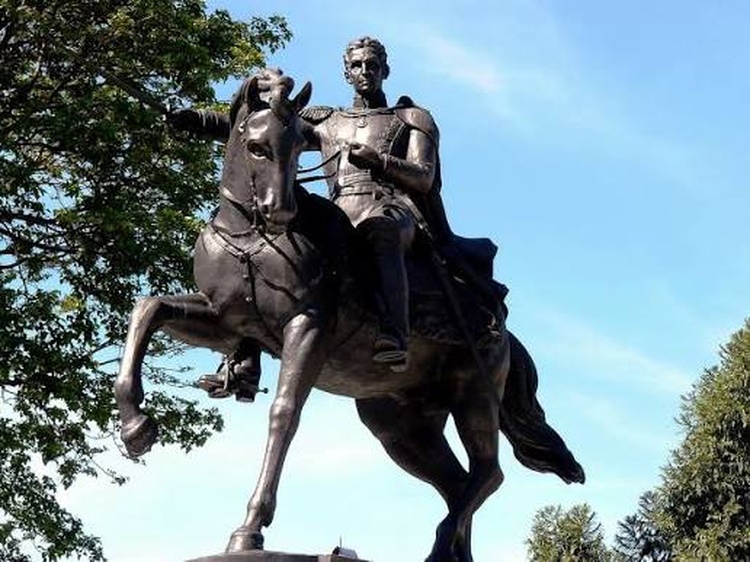
Commemorative monuments have ceased to be spaces of consensus and have become symbolic battlegrounds where disputes over collective memory are played out. In Latin America, the last few decades have witnessed a profound questioning of the statues and memorials inherited from the colonial period and authoritarian regimes. The toppling of the statue of Sebastián de Belalcázar in Cali, Colombia, in 2020, or the interventions at the Christopher Columbus monument in various cities across the continent, demonstrate a growing unease with official narratives that glorify conquerors and genocidal figures. At the same time, new forms of commemoration have emerged that seek to redress these absences: memorials dedicated to the victims of dictatorships, femicides, and massacres, such as the Memorial to the Victims of Violence in Colombia or the interventions of Mujeres Creando in Bolivia, which redefine public space from a feminist and anticolonial perspective. Artists like Chilean Loreto López and Argentinian Norberto Gómez have explored traumatic memory through sculpture and installation, questioning the notion that a monument must be permanent or monumental. In contrast to marble and bronze, ephemeral materials, performances, and collective actions now emerge, understanding memory as a living process, always contested and always open to revision. The question is no longer just what to remember, but who has the power to decide how and why we remember.
Latamarte
Latest
Article
- November 25, 2026
Art in Subway Stations
Article
- November 25, 2026
Commemorative Monuments and the Dispute over Collective Memory
Daily Artwork
- November 25, 2026
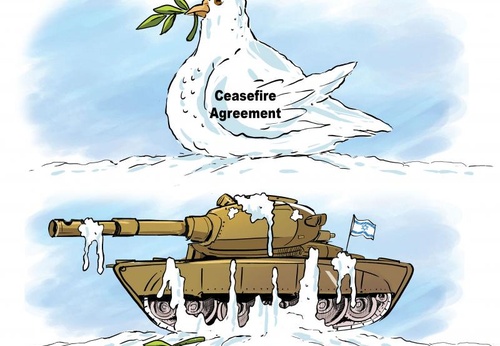
Ceasefire Agreement
Gallery
- November 25, 2026
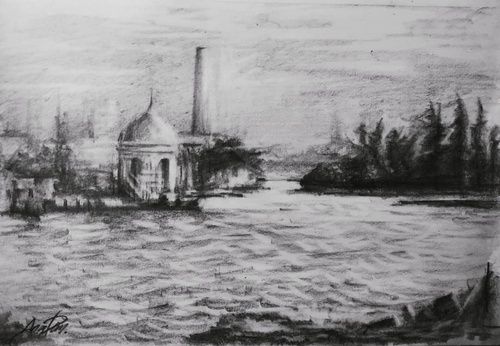
Gallery Of Painting By Daniel Sierra - Cuba
Video
- November 25, 2026
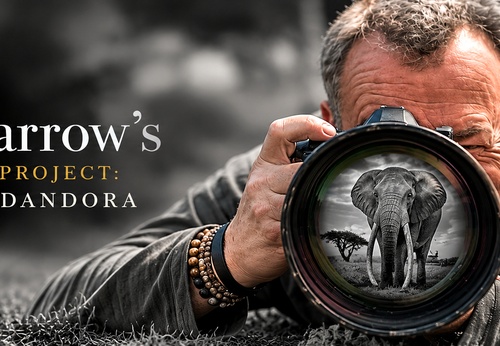
David Yarrow's Special Project: Amboseli & Dandora

Gallery
- November 24, 2026
Gallery of Graphic Design Works & Branding by Maicon Moura – Brazil
News
- November 24, 2026
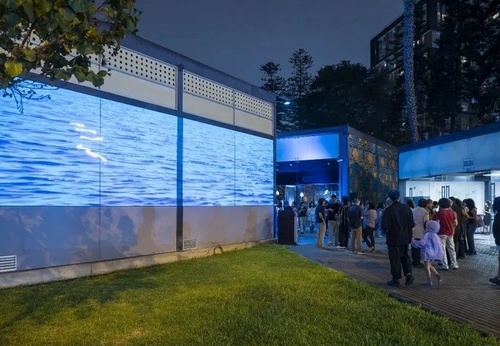
Latin American Digital Art Takes Over Lima
News
- November 24, 2026
Peru Hosts Its First Digital Art Festival
Artist
- November 24, 2026
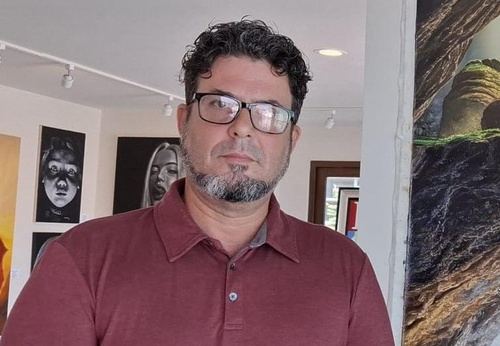
Adalberto Arteaga Fernández - Cuba

- November 25, 2026
Art in Subway Stations
- November 25, 2026
Commemorative Monuments and the Dispute…

- November 24, 2026
Environmental Art and the Climate Crisis
- November 24, 2026
Street Art and the Right to the City

- November 22, 2026
Walls That Speak: Muralism and the Poli…
- November 22, 2026
Visual Historiography: The Role of Pain…

- November 21, 2026
Printmaking: The Renaissance of Printma…
- November 21, 2026
Public Sculpture and Urban Memory: From…

- November 20, 2026
Back to the Canvas: Why Is Painting Sti…
- November 20, 2026
Contemporary Painting in Latin America
- November 17, 2026
Urban Interventions and Relational Art …

- November 17, 2026
The Artist's Book and Expanded Prints i…
- November 16, 2026
Printmaking and Illustration in Venezue…
- November 16, 2026
Sculpture and Environmental Art in Pana…

- November 14, 2026
Art in Venezuela

- November 14, 2026
Contemporary Art in Panama
- November 12, 2026
The Impact of Sebastião Salgado’s Photo…

- November 11, 2026
Art in Venezuela: Public Space, Social …
- November 11, 2026
Art in Panama: Cultural Resistance and …
- November 10, 2026
Our North is the South: Universal Const…
- August 29, 2023
The history of Bolivian art

- February 19, 2024
Analysis and meaning of Van Gogh's Star…

- January 28, 2024
Culture and Art in Argentina

- September 25, 2023
What is the importance of art in human …

- September 23, 2023
What is paint?

- August 23, 2023
The 11 types of art and their meanings

- September 23, 2023
Painting characteristics

- August 10, 2023
14 questions and answers about the art …
- August 30, 2023
First artistic manifestations
- January 12, 2024
10 most beautiful statues and sculpture…
- October 18, 2023
History of sculpture
- September 23, 2023
History of painting

- May 26, 2024
Técnicas de artes visuais

- April 06, 2024
History of visual arts in Ecuador

- March 26, 2024
The importance of technology in art1
- November 21, 2024
History of Visual Arts

- August 27, 2023
The history of art Mexico

- July 13, 2024
The impact of artificial intelligence o…

- March 26, 2024
Cultural identity and its impact on art…
- April 07, 2024
Graffiti in Latin American culture
- February 19, 2024
Analysis and meaning of Van Gogh's Star…

- August 13, 2023
9 Latino painters and their great contr…
- August 23, 2023
The 11 types of art and their meanings
- August 27, 2023
15 main works of Van Gogh
- August 10, 2023
14 questions and answers about the art …
- August 29, 2023
The history of Bolivian art
- January 28, 2024
Culture and Art in Argentina
- November 06, 2023
5 Latin American artists and their works
- September 23, 2023
Painting characteristics
- September 23, 2023
What is paint?
- September 25, 2023
What is the importance of art in human …
- August 30, 2023
First artistic manifestations
- March 26, 2024
Cultural identity and its impact on art…

- January 26, 2025
10 of the best Bolivian painters
- December 18, 2023
10 iconic works by Oscar Niemeyer, geni…

- August 24, 2023
The most famous image of Ernesto "Che" …
- January 12, 2024
10 most beautiful statues and sculpture…
- May 26, 2024
Técnicas de artes visuais
- November 21, 2024
History of Visual Arts

- January 20, 2024
What is the relationship between art an…