Art in Subway Stations
Art in Subway Stations: Designing the Urban Experience
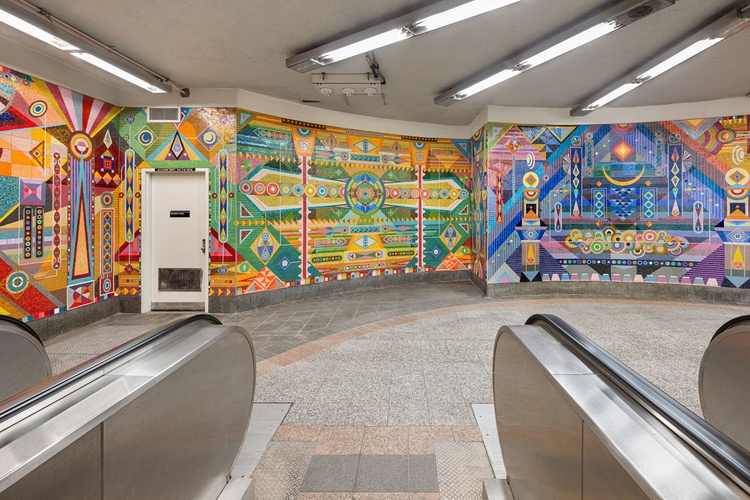
The subway, that underground space through which millions of people travel daily, has become a prime location for art and urban design. In Latin America, several cities have integrated works by top-tier artists into their stations, transforming the daily commute into an aesthetic experience. The most emblematic case is the Santiago Metro in Chile, which since its inauguration in 1975 has incorporated murals, sculptures, and reliefs by artists such as Mario Toral, Nemesio Antúnez, and Luis Mizón, turning the stations into an underground gallery accessible to all. The Mexico City Metro also houses a significant art collection, with works by David Alfaro Siqueiros, José Clemente Orozco, and Francisco Goitia, among others, that engage with the architecture of the stations and the history of the country. In São Paulo, the Metro has invited contemporary artists to create installations in stations and trains, bringing art closer to users without the need for a museum ticket. These interventions raise a fundamental question: what kind of aesthetic experience is generated in a space designed for flow and haste? Art in the subway doesn't seek prolonged contemplation, but rather surprise and fleeting encounters, the ability to momentarily capture the traveler's attention and offer an unexpected emotion. In this sense, the subway becomes a laboratory where the design of the urban experience intersects with the city's memory and the daily lives of its inhabitants.
Latamarte
Latest
Article
- November 25, 2026
Art in Subway Stations
Article
- November 25, 2026
Commemorative Monuments and the Dispute over Collective Memory

Daily Artwork
- November 25, 2026
Ceasefire Agreement
Gallery
- November 25, 2026
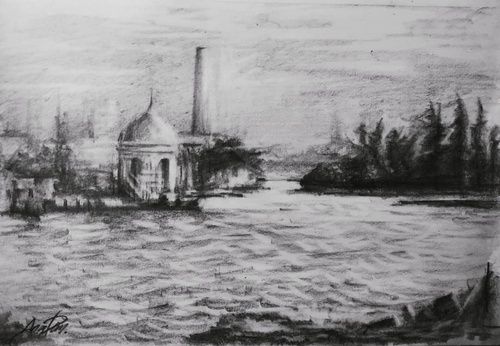
Gallery Of Painting By Daniel Sierra - Cuba
Video
- November 25, 2026
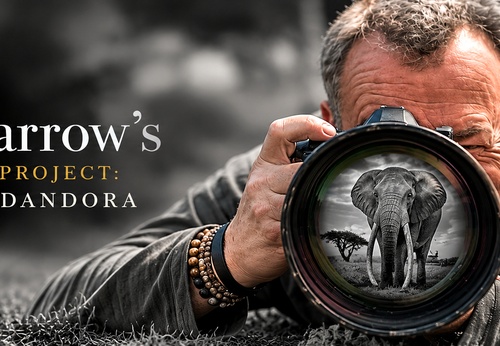
David Yarrow's Special Project: Amboseli & Dandora

Gallery
- November 24, 2026
Gallery of Graphic Design Works & Branding by Maicon Moura – Brazil
News
- November 24, 2026
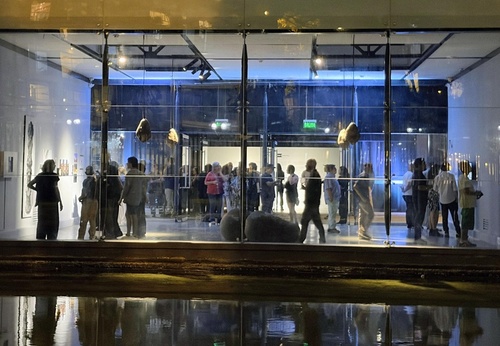
Latin American Digital Art Takes Over Lima
News
- November 24, 2026
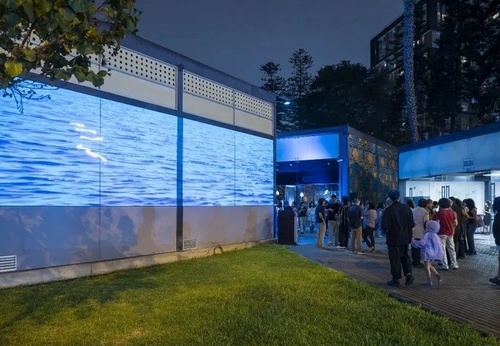
Peru Hosts Its First Digital Art Festival
Artist
- November 24, 2026
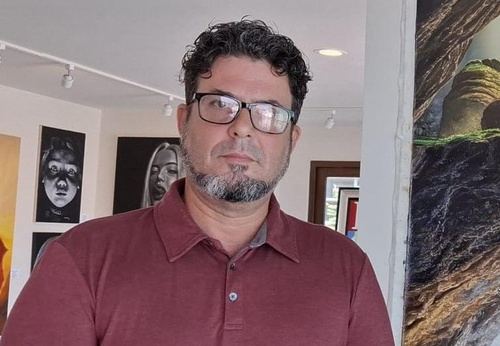
Adalberto Arteaga Fernández - Cuba
- November 25, 2026
Art in Subway Stations

- November 25, 2026
Commemorative Monuments and the Dispute…

- November 24, 2026
Environmental Art and the Climate Crisis
- November 24, 2026
Street Art and the Right to the City

- November 22, 2026
Walls That Speak: Muralism and the Poli…

- November 22, 2026
Visual Historiography: The Role of Pain…

- November 21, 2026
Printmaking: The Renaissance of Printma…

- November 21, 2026
Public Sculpture and Urban Memory: From…

- November 20, 2026
Back to the Canvas: Why Is Painting Sti…
- November 20, 2026
Contemporary Painting in Latin America

- November 17, 2026
Urban Interventions and Relational Art …

- November 17, 2026
The Artist's Book and Expanded Prints i…
- November 16, 2026
Printmaking and Illustration in Venezue…

- November 16, 2026
Sculpture and Environmental Art in Pana…

- November 14, 2026
Art in Venezuela

- November 14, 2026
Contemporary Art in Panama
- November 12, 2026
The Impact of Sebastião Salgado’s Photo…
- November 11, 2026
Art in Venezuela: Public Space, Social …
- November 11, 2026
Art in Panama: Cultural Resistance and …
- November 10, 2026
Our North is the South: Universal Const…
- August 29, 2023
The history of Bolivian art

- February 19, 2024
Analysis and meaning of Van Gogh's Star…

- January 28, 2024
Culture and Art in Argentina

- September 25, 2023
What is the importance of art in human …

- September 23, 2023
What is paint?

- August 23, 2023
The 11 types of art and their meanings

- September 23, 2023
Painting characteristics

- August 10, 2023
14 questions and answers about the art …
- August 30, 2023
First artistic manifestations

- January 12, 2024
10 most beautiful statues and sculpture…
- October 18, 2023
History of sculpture

- September 23, 2023
History of painting

- May 26, 2024
Técnicas de artes visuais

- April 06, 2024
History of visual arts in Ecuador

- March 26, 2024
The importance of technology in art1
- November 21, 2024
History of Visual Arts
- August 27, 2023
The history of art Mexico

- July 13, 2024
The impact of artificial intelligence o…

- March 26, 2024
Cultural identity and its impact on art…
- April 07, 2024
Graffiti in Latin American culture
- February 19, 2024
Analysis and meaning of Van Gogh's Star…

- August 13, 2023
9 Latino painters and their great contr…
- August 23, 2023
The 11 types of art and their meanings
- August 27, 2023
15 main works of Van Gogh
- August 10, 2023
14 questions and answers about the art …
- August 29, 2023
The history of Bolivian art
- January 28, 2024
Culture and Art in Argentina

- November 06, 2023
5 Latin American artists and their works
- September 23, 2023
Painting characteristics
- September 23, 2023
What is paint?
- September 25, 2023
What is the importance of art in human …
- August 30, 2023
First artistic manifestations
- March 26, 2024
Cultural identity and its impact on art…

- January 26, 2025
10 of the best Bolivian painters

- December 18, 2023
10 iconic works by Oscar Niemeyer, geni…

- August 24, 2023
The most famous image of Ernesto "Che" …
- January 12, 2024
10 most beautiful statues and sculpture…
- May 26, 2024
Técnicas de artes visuais
- November 21, 2024
History of Visual Arts

- January 20, 2024
What is the relationship between art an…