Digital Art and the Limits of the Artwork
From Canvas to Bit: Digital Art and the Limits of the Artwork
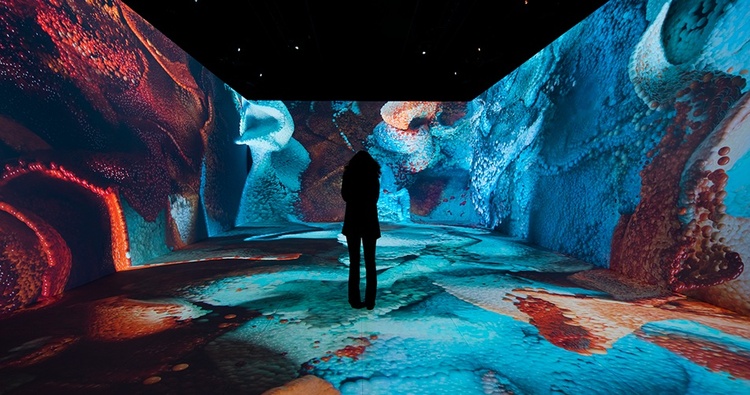
The emergence of digital art has compelled us to rethink the very boundaries of what we consider an artwork. Unlike a canvas or a sculpture, a digital work is immaterial—infinitely reproducible without any loss of quality—and potentially ubiquitous, capable of existing simultaneously across thousands of screens. This condition raises fundamental questions: What does originality mean in a medium where a copy is identical to the original? How can a work be preserved when it relies on software that may become obsolete? Who is the author when a work is generated by an algorithm? In Latin America, pioneering artists such as the Venezuelan Yucef Merhi have—since the 1990s—explored the possibilities of digital language and programming as artistic materials, while more recent creators work with artificial intelligence, virtual reality, and generative art. The Brazilian artist Lia Chaia investigates the relationship between art, science, and technology, and the Mexican artist Rafael Lozano-Hemmer has gained international recognition for interactive installations that transform the viewer into an integral component of the work. The COVID-19 pandemic accelerated the migration of art toward digital platforms—through virtual exhibitions, online fairs, and augmented reality projects—which expanded access while simultaneously raising questions about the nature of aesthetic experience mediated by screens. Digital art is not merely a technological version of traditional art; it is a field that redefines notions of authorship, materiality, circulation, and reception, forcing us to ask: what remains of an artwork when it dissolves into a flow of data?
Latamarte
Latest
Article
- November 26, 2026
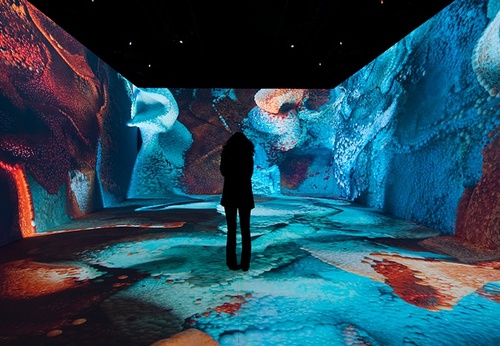
The Future of the Artistic Experience
Article
- November 26, 2026
Digital Art and the Limits of the Artwork
Publications
- November 26, 2026
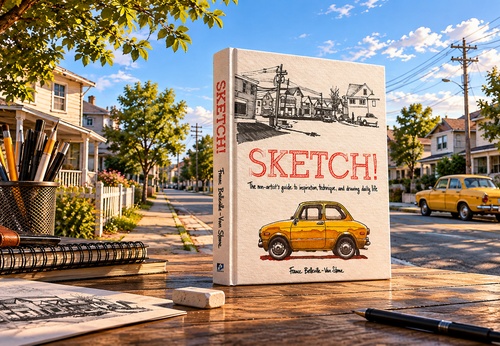
Sketch!: The Non-Artist’s Guide to Inspiration, Technique
Daily Artwork
- November 26, 2026
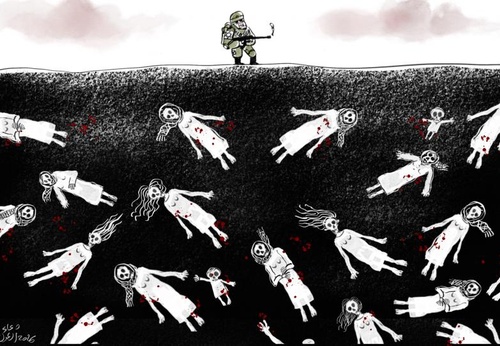
Stop Violence against Women stop war !
Gallery
- November 26, 2026
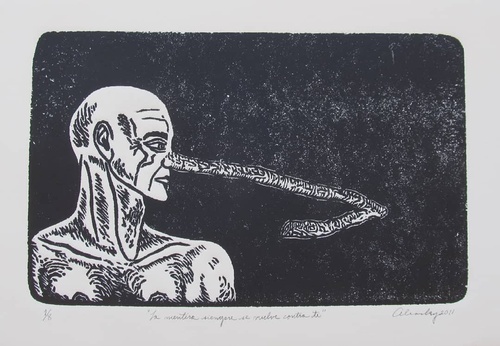
Gallery Of Illustration By Aliosky Garcia Sosa - Cuba
News
- November 25, 2026
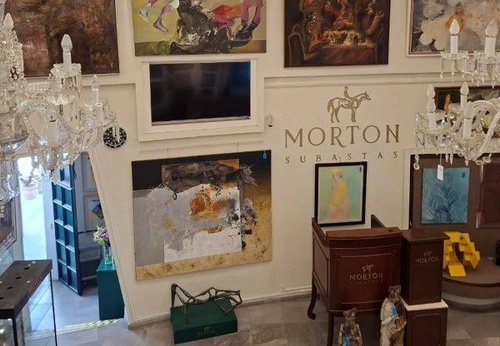
Morton Subastas Brings Together Major Figures of Latin American Art
Publications
- November 25, 2026
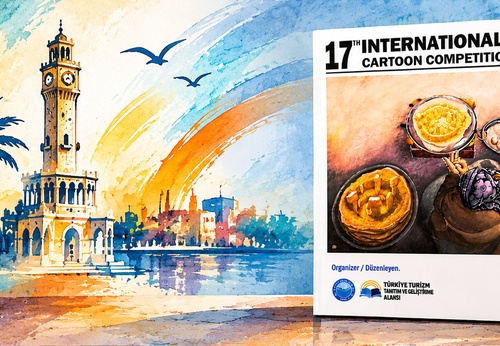
Catalog of the 17th International Tourism Cartoon Contest - Turkey
Gallery
- November 25, 2026
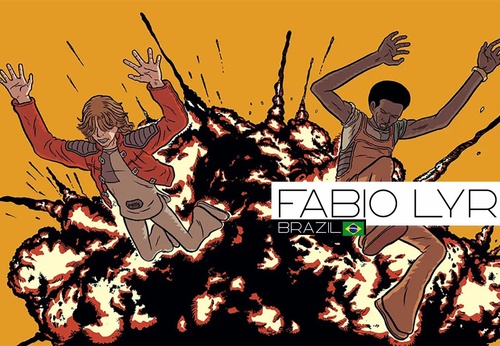
Gallery of Comic Illustration by Fabio Lyra – Brazil
Article
- November 25, 2026
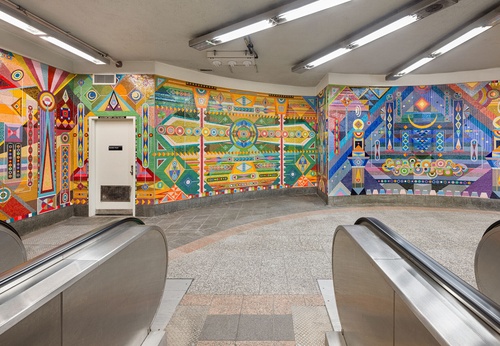
Art in Subway Stations

- November 26, 2026
The Future of the Artistic Experience
- November 26, 2026
Digital Art and the Limits of the Artwo…
- November 25, 2026
Art in Subway Stations

- November 25, 2026
Commemorative Monuments and the Dispute…
- November 24, 2026
Environmental Art and the Climate Crisis
- November 24, 2026
Street Art and the Right to the City
- November 22, 2026
Walls That Speak: Muralism and the Poli…
- November 22, 2026
Visual Historiography: The Role of Pain…

- November 21, 2026
Printmaking: The Renaissance of Printma…
- November 21, 2026
Public Sculpture and Urban Memory: From…

- November 20, 2026
Back to the Canvas: Why Is Painting Sti…
- November 20, 2026
Contemporary Painting in Latin America

- November 17, 2026
Urban Interventions and Relational Art …
- November 17, 2026
The Artist's Book and Expanded Prints i…
- November 16, 2026
Printmaking and Illustration in Venezue…
- November 16, 2026
Sculpture and Environmental Art in Pana…

- November 14, 2026
Art in Venezuela

- November 14, 2026
Contemporary Art in Panama
- November 12, 2026
The Impact of Sebastião Salgado’s Photo…
- November 11, 2026
Art in Venezuela: Public Space, Social …
- August 29, 2023
The history of Bolivian art
- February 19, 2024
Analysis and meaning of Van Gogh's Star…
- January 28, 2024
Culture and Art in Argentina

- September 25, 2023
What is the importance of art in human …

- September 23, 2023
What is paint?

- August 23, 2023
The 11 types of art and their meanings

- September 23, 2023
Painting characteristics
- August 10, 2023
14 questions and answers about the art …
- August 30, 2023
First artistic manifestations
- January 12, 2024
10 most beautiful statues and sculpture…
- October 18, 2023
History of sculpture
- September 23, 2023
History of painting
- May 26, 2024
Técnicas de artes visuais

- April 06, 2024
History of visual arts in Ecuador

- March 26, 2024
The importance of technology in art1
- November 21, 2024
History of Visual Arts
- August 27, 2023
The history of art Mexico

- July 13, 2024
The impact of artificial intelligence o…
- March 26, 2024
Cultural identity and its impact on art…
- April 07, 2024
Graffiti in Latin American culture
- February 19, 2024
Analysis and meaning of Van Gogh's Star…

- August 13, 2023
9 Latino painters and their great contr…
- August 23, 2023
The 11 types of art and their meanings
- August 27, 2023
15 main works of Van Gogh
- August 10, 2023
14 questions and answers about the art …
- August 29, 2023
The history of Bolivian art
- January 28, 2024
Culture and Art in Argentina
- November 06, 2023
5 Latin American artists and their works
- September 23, 2023
Painting characteristics
- September 23, 2023
What is paint?
- September 25, 2023
What is the importance of art in human …
- August 30, 2023
First artistic manifestations
- March 26, 2024
Cultural identity and its impact on art…

- January 26, 2025
10 of the best Bolivian painters
- December 18, 2023
10 iconic works by Oscar Niemeyer, geni…

- August 24, 2023
The most famous image of Ernesto "Che" …
- January 12, 2024
10 most beautiful statues and sculpture…
- May 26, 2024
Técnicas de artes visuais
- November 21, 2024
History of Visual Arts
- January 20, 2024
What is the relationship between art an…