The Future of the Artistic Experience
Augmented Reality and Interactive Museums: The Future of the Artistic Experience
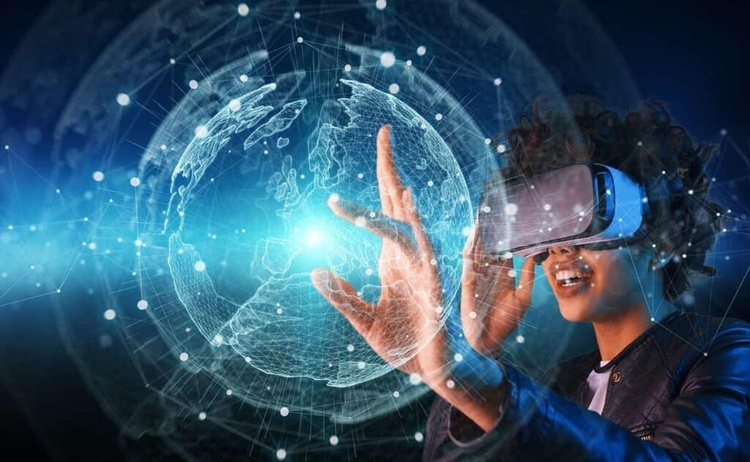
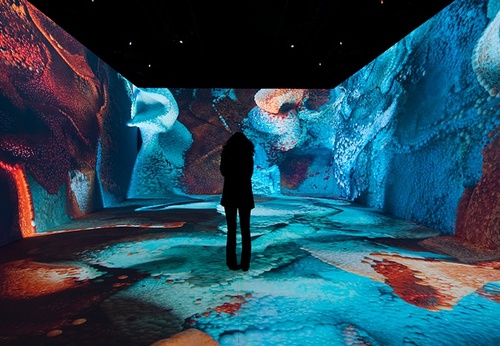
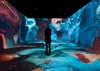
Augmented reality (AR) and interactive technologies are transforming how we experience art in museums and exhibition spaces. Unlike virtual reality, which immerses the viewer in a completely artificial environment, AR overlays layers of digital information—images, sounds, text, and animations—onto the physical world, enriching the perception of artworks without replacing them. In Latin America, several museums have begun incorporating these technologies to offer more immersive and accessible experiences: the Lima Art Museum (MALI) has experimented with augmented tours that allow visitors to view restored artworks or reconstruct lost pieces, while the University Museum of Contemporary Art (MUAC) in Mexico City has explored the potential of AR to provide context for contemporary art. Artists such as the Mexican creator Rafael Lozano-Hemmer have developed installations that use sensors and algorithms to generate real-time responses to the presence of the audience, effectively turning the viewer into a co-author of the work. AR also presents challenges: does it enrich the experience or serve as a distraction? Does it democratize access to art, or does it widen the digital divide? Does it preserve the memory of the works, or does it reduce them to mere entertainment media? The future of the artistic experience appears to be moving toward hybrid models, in which the physical and the digital intertwine to create new forms of storytelling and participation. The interactive museum is no longer just a promise for the future; it is a reality currently under construction, redefining the relationship between the visitor, the artwork, and the space.
Latamarte
Latest
Article
- November 26, 2026
The Future of the Artistic Experience
Article
- November 26, 2026
Digital Art and the Limits of the Artwork
Publications
- November 26, 2026
Sketch!: The Non-Artist’s Guide to Inspiration, Technique
Daily Artwork
- November 26, 2026
Stop Violence against Women stop war !
Gallery
- November 26, 2026
Gallery Of Illustration By Aliosky Garcia Sosa - Cuba
News
- November 25, 2026
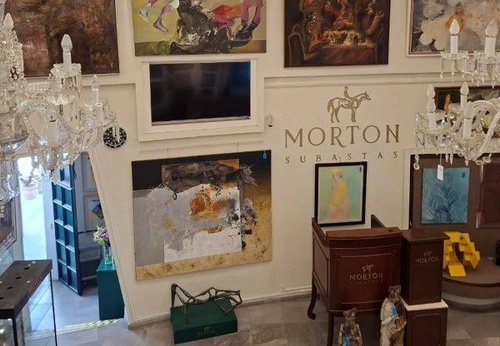
Morton Subastas Brings Together Major Figures of Latin American Art
Publications
- November 25, 2026
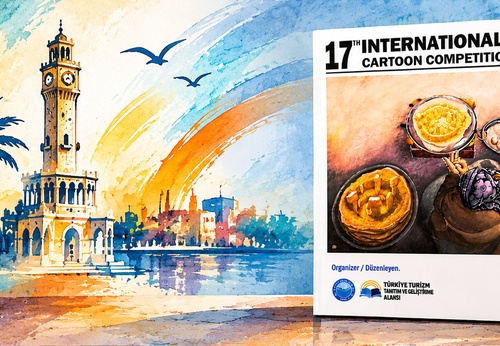
Catalog of the 17th International Tourism Cartoon Contest - Turkey
Gallery
- November 25, 2026
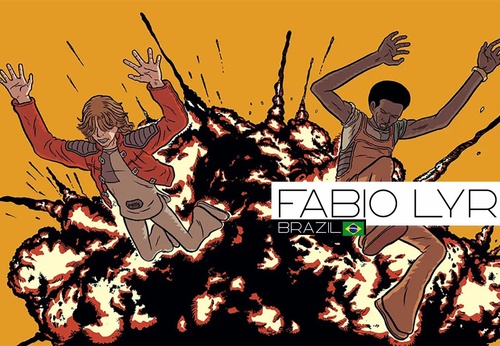
Gallery of Comic Illustration by Fabio Lyra – Brazil
Article
- November 25, 2026
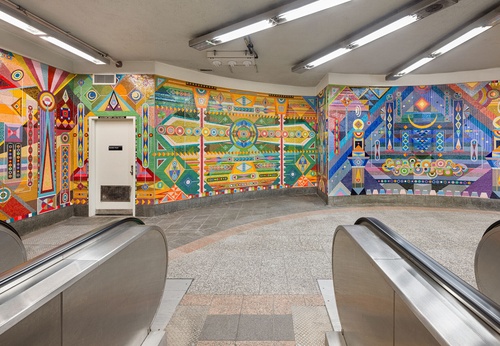
Art in Subway Stations

- November 26, 2026
The Future of the Artistic Experience
- November 26, 2026
Digital Art and the Limits of the Artwo…
- November 25, 2026
Art in Subway Stations

- November 25, 2026
Commemorative Monuments and the Dispute…
- November 24, 2026
Environmental Art and the Climate Crisis
- November 24, 2026
Street Art and the Right to the City

- November 22, 2026
Walls That Speak: Muralism and the Poli…
- November 22, 2026
Visual Historiography: The Role of Pain…

- November 21, 2026
Printmaking: The Renaissance of Printma…
- November 21, 2026
Public Sculpture and Urban Memory: From…
- November 20, 2026
Back to the Canvas: Why Is Painting Sti…
- November 20, 2026
Contemporary Painting in Latin America

- November 17, 2026
Urban Interventions and Relational Art …
- November 17, 2026
The Artist's Book and Expanded Prints i…
- November 16, 2026
Printmaking and Illustration in Venezue…
- November 16, 2026
Sculpture and Environmental Art in Pana…

- November 14, 2026
Art in Venezuela
- November 14, 2026
Contemporary Art in Panama
- November 12, 2026
The Impact of Sebastião Salgado’s Photo…
- November 11, 2026
Art in Venezuela: Public Space, Social …
- August 29, 2023
The history of Bolivian art

- February 19, 2024
Analysis and meaning of Van Gogh's Star…
- January 28, 2024
Culture and Art in Argentina

- September 25, 2023
What is the importance of art in human …

- September 23, 2023
What is paint?

- August 23, 2023
The 11 types of art and their meanings

- September 23, 2023
Painting characteristics
- August 10, 2023
14 questions and answers about the art …
- August 30, 2023
First artistic manifestations
- January 12, 2024
10 most beautiful statues and sculpture…
- October 18, 2023
History of sculpture
- September 23, 2023
History of painting
- May 26, 2024
Técnicas de artes visuais

- April 06, 2024
History of visual arts in Ecuador

- March 26, 2024
The importance of technology in art1
- November 21, 2024
History of Visual Arts
- August 27, 2023
The history of art Mexico

- July 13, 2024
The impact of artificial intelligence o…
- March 26, 2024
Cultural identity and its impact on art…
- April 07, 2024
Graffiti in Latin American culture
- February 19, 2024
Analysis and meaning of Van Gogh's Star…

- August 13, 2023
9 Latino painters and their great contr…
- August 23, 2023
The 11 types of art and their meanings
- August 27, 2023
15 main works of Van Gogh
- August 10, 2023
14 questions and answers about the art …
- August 29, 2023
The history of Bolivian art
- January 28, 2024
Culture and Art in Argentina
- November 06, 2023
5 Latin American artists and their works
- September 23, 2023
Painting characteristics
- September 23, 2023
What is paint?
- September 25, 2023
What is the importance of art in human …
- August 30, 2023
First artistic manifestations
- March 26, 2024
Cultural identity and its impact on art…

- January 26, 2025
10 of the best Bolivian painters
- December 18, 2023
10 iconic works by Oscar Niemeyer, geni…

- August 24, 2023
The most famous image of Ernesto "Che" …
- January 12, 2024
10 most beautiful statues and sculpture…
- May 26, 2024
Técnicas de artes visuais
- November 21, 2024
History of Visual Arts

- January 20, 2024
What is the relationship between art an…