Gamification of Art
Gamification of Art: Play, Participation, and Collective Creation
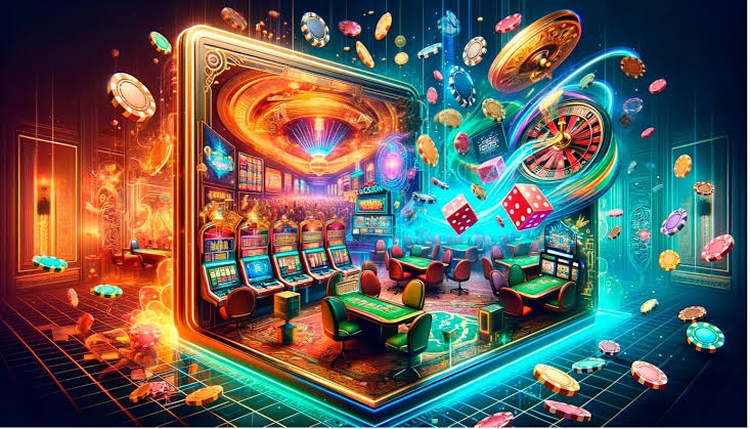
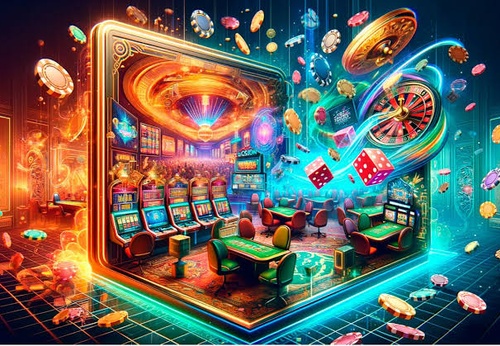
The gamification of art—the incorporation of game mechanics into artistic creation and experience—has opened a field of experimentation that blurs the boundaries between artist, artwork, and viewer. In Latin America, creators and collectives have explored the possibilities of play as an artistic language, using video games, interactive installations, playful performances, and digital platforms to engage the public in collective creation processes. Brazilian artist Eduardo Kac has worked with telepresence and robotics in pieces that invite remote participation, while Mexican artist Rafael Lozano-Hemmer has made audience interaction the driving force behind installations like Pulse Room, where visitors' heartbeats are translated into light. Collectives like Iconoclasistas in Argentina use collective mapping and games to generate knowledge about territory and social struggles, demonstrating that gamification is not just an entertainment strategy but a tool for raising awareness and empowering the public. The logic of games—with their rules, rewards, and levels—also applies to the circulation of art on digital platforms, where algorithms and engagement metrics shape new forms of aesthetic evaluation. The risk is that gamification will become a superficial fad or a mechanism of control, but its potential is enormous: games can be a gateway to art for audiences who feel excluded, and a way to create community and collective meaning in an increasingly individualized world.
Latamarte
Latest
Article
- November 29, 2026
Protest Art: From Postcard to Meme
Article
- November 29, 2026
Gamification of Art
Publications
- November 29, 2026
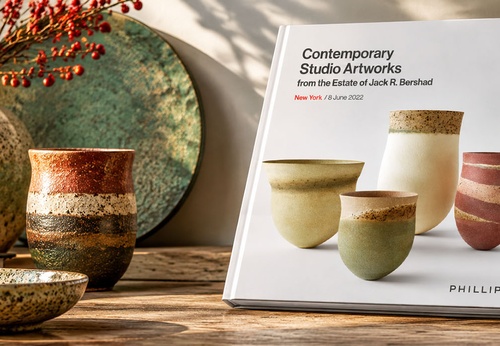
Contemporary Studio Artworks | Phillips Auction
Publications
- November 29, 2026
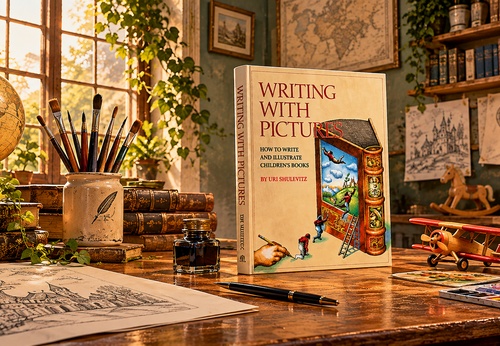
How to Write and Illustrate Children’s Books by Uri Shulevitz
Gallery
- November 29, 2026
Gallery Of Painting By Heriberto Mora - Cuba
Publications
- November 29, 2026
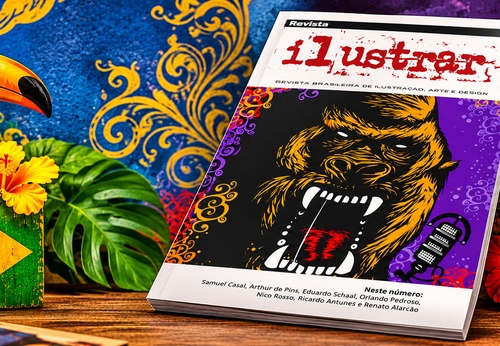
Ilustrar Magazine | Issue 01
Publications
- November 28, 2026
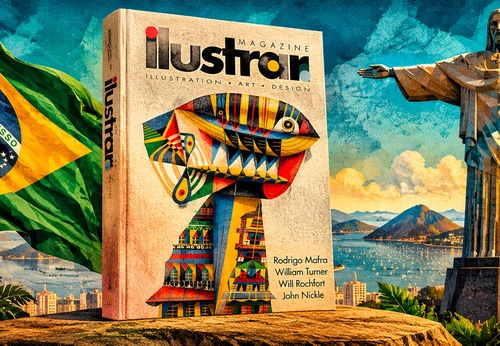
Ilustrar Magazine | Issue 49

Gallery
- November 28, 2026
Gallery of Graphic Design Works & Branding by FLIP™ Studio – Brazil
Publications
- November 28, 2026
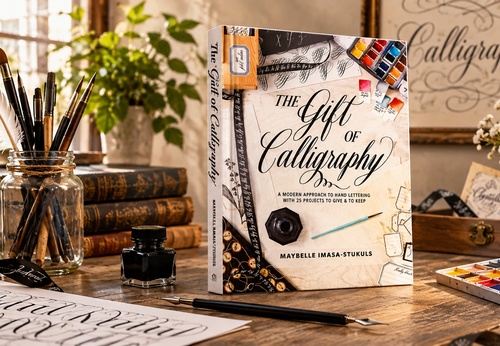
The Gift of Calligraphy

- November 29, 2026
Protest Art: From Postcard to Meme

- November 29, 2026
Gamification of Art

- November 28, 2026
Net Art: The Internet as an Exhibition …

- November 28, 2026
Artificial Intelligence as an Artistic …

- November 26, 2026
The Future of the Artistic Experience

- November 26, 2026
Digital Art and the Limits of the Artwo…

- November 25, 2026
Art in Subway Stations

- November 25, 2026
Commemorative Monuments and the Dispute…

- November 24, 2026
Environmental Art and the Climate Crisis
- November 24, 2026
Street Art and the Right to the City

- November 22, 2026
Walls That Speak: Muralism and the Poli…

- November 22, 2026
Visual Historiography: The Role of Pain…

- November 21, 2026
Printmaking: The Renaissance of Printma…

- November 21, 2026
Public Sculpture and Urban Memory: From…

- November 20, 2026
Back to the Canvas: Why Is Painting Sti…
- November 20, 2026
Contemporary Painting in Latin America

- November 17, 2026
Urban Interventions and Relational Art …

- November 17, 2026
The Artist's Book and Expanded Prints i…
- November 16, 2026
Printmaking and Illustration in Venezue…
- November 16, 2026
Sculpture and Environmental Art in Pana…
- August 29, 2023
The history of Bolivian art

- February 19, 2024
Analysis and meaning of Van Gogh's Star…
- January 28, 2024
Culture and Art in Argentina

- September 25, 2023
What is the importance of art in human …

- September 23, 2023
What is paint?

- August 23, 2023
The 11 types of art and their meanings

- September 23, 2023
Painting characteristics
- August 10, 2023
14 questions and answers about the art …
- August 30, 2023
First artistic manifestations

- January 12, 2024
10 most beautiful statues and sculpture…
- September 23, 2023
History of painting
- October 18, 2023
History of sculpture

- May 26, 2024
Técnicas de artes visuais

- April 06, 2024
History of visual arts in Ecuador

- March 26, 2024
The importance of technology in art1
- November 21, 2024
History of Visual Arts

- July 13, 2024
The impact of artificial intelligence o…
- August 27, 2023
The history of art Mexico
- March 26, 2024
Cultural identity and its impact on art…

- December 20, 2024
What is art? Definition, concept and ar…
- February 19, 2024
Analysis and meaning of Van Gogh's Star…

- August 13, 2023
9 Latino painters and their great contr…
- August 23, 2023
The 11 types of art and their meanings

- August 27, 2023
15 main works of Van Gogh
- August 10, 2023
14 questions and answers about the art …
- August 29, 2023
The history of Bolivian art
- January 28, 2024
Culture and Art in Argentina

- November 06, 2023
5 Latin American artists and their works
- September 23, 2023
Painting characteristics
- September 23, 2023
What is paint?
- September 25, 2023
What is the importance of art in human …
- August 30, 2023
First artistic manifestations
- March 26, 2024
Cultural identity and its impact on art…

- January 26, 2025
10 of the best Bolivian painters

- December 18, 2023
10 iconic works by Oscar Niemeyer, geni…

- August 24, 2023
The most famous image of Ernesto "Che" …
- January 12, 2024
10 most beautiful statues and sculpture…
- May 26, 2024
Técnicas de artes visuais
- November 21, 2024
History of Visual Arts
- January 20, 2024
What is the relationship between art an…