Artificial Intelligence as an Artistic Collaborator
Artificial Intelligence as an Artistic Collaborator: Ethical and Aesthetic Questions
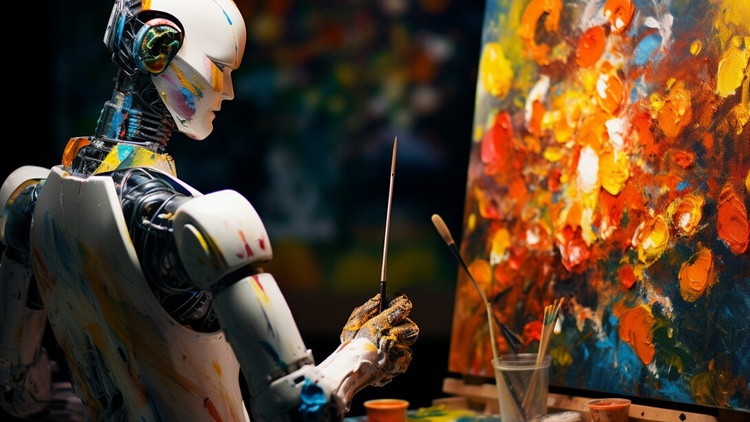
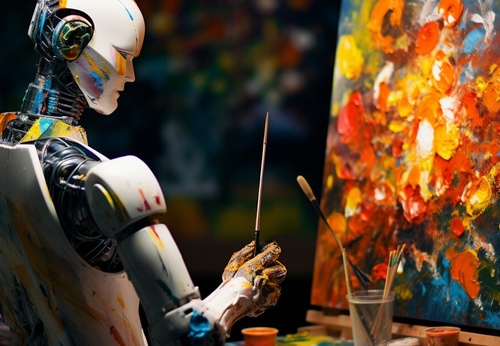
Artificial intelligence (AI) has ceased to be a merely technical tool and has become an artistic collaborator that raises profound questions about creativity, authorship, and the value of art. In Latin America, artists such as the Argentinian Tomás Saraceno—who works with algorithms and complex systems—and the Brazilian Lia Chaia—whose research intersects art, science, and technology—explore the possibilities of AI to generate images, sounds, and experiences that transcend human intentionality. Image generators like DALL-E, Midjourney, and Stable Diffusion have democratized the production of striking images, but they have also sparked debates about plagiarism, data exploitation, and the disappearance of the artistic profession. Can a machine be creative? Who is the author of a work generated by an algorithm: the programmer, the user who inputs the text, or the AI itself? What about the racial, gender, and cultural biases reproduced by these systems, trained on data that reflects historical inequalities? Artists like the Mexican Minerva Cuevas have critically addressed these issues, pointing out that AI is not neutral but rather embodies the interests of the corporations that develop it. AI as an artistic collaborator is neither a threat nor a panacea: it is a field of negotiation where the very definitions of art, creativity, and humanity are at stake. The challenge lies in using it critically, aware of its ethical and aesthetic implications, without relinquishing the artist's agency and responsibility.
Latamarte
Latest
Publications
- November 28, 2026
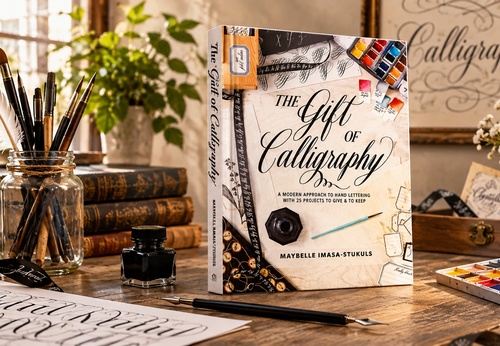
The Gift of Calligraphy
Article
- November 28, 2026
Net Art: The Internet as an Exhibition Space
Article
- November 28, 2026
Artificial Intelligence as an Artistic Collaborator
Publications
- November 28, 2026
Folk Art
Daily Artwork
- November 28, 2026
Palestinian Olives…
Gallery
- November 28, 2026
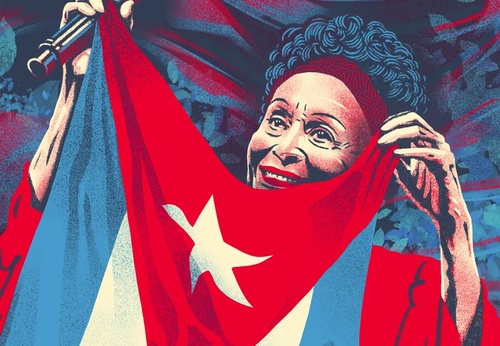
Gallery Of Graphic Design By Nelson Ponce - Cuba
Contest
- November 27, 2026
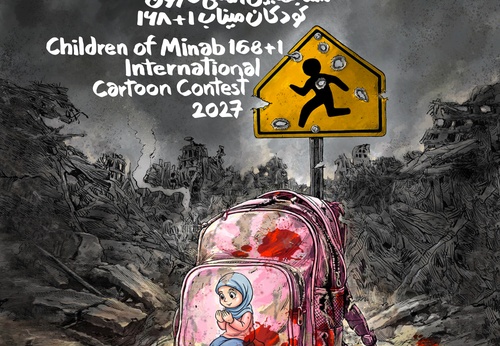
Children of Minab 168+1 International Cartoon Contest-2027
Video
- November 27, 2026
Brazilian Design History
Artist
- November 27, 2026
Doaa El-Adl

- November 28, 2026
Net Art: The Internet as an Exhibition …

- November 28, 2026
Artificial Intelligence as an Artistic …

- November 26, 2026
The Future of the Artistic Experience

- November 26, 2026
Digital Art and the Limits of the Artwo…
- November 25, 2026
Art in Subway Stations

- November 25, 2026
Commemorative Monuments and the Dispute…
- November 24, 2026
Environmental Art and the Climate Crisis
- November 24, 2026
Street Art and the Right to the City

- November 22, 2026
Walls That Speak: Muralism and the Poli…
- November 22, 2026
Visual Historiography: The Role of Pain…

- November 21, 2026
Printmaking: The Renaissance of Printma…
- November 21, 2026
Public Sculpture and Urban Memory: From…

- November 20, 2026
Back to the Canvas: Why Is Painting Sti…
- November 20, 2026
Contemporary Painting in Latin America

- November 17, 2026
Urban Interventions and Relational Art …

- November 17, 2026
The Artist's Book and Expanded Prints i…
- November 16, 2026
Printmaking and Illustration in Venezue…
- November 16, 2026
Sculpture and Environmental Art in Pana…

- November 14, 2026
Art in Venezuela

- November 14, 2026
Contemporary Art in Panama
- August 29, 2023
The history of Bolivian art

- February 19, 2024
Analysis and meaning of Van Gogh's Star…
- January 28, 2024
Culture and Art in Argentina

- September 25, 2023
What is the importance of art in human …

- September 23, 2023
What is paint?

- August 23, 2023
The 11 types of art and their meanings

- September 23, 2023
Painting characteristics
- August 10, 2023
14 questions and answers about the art …
- August 30, 2023
First artistic manifestations

- January 12, 2024
10 most beautiful statues and sculpture…
- September 23, 2023
History of painting
- October 18, 2023
History of sculpture
- May 26, 2024
Técnicas de artes visuais

- April 06, 2024
History of visual arts in Ecuador

- March 26, 2024
The importance of technology in art1
- November 21, 2024
History of Visual Arts

- July 13, 2024
The impact of artificial intelligence o…
- August 27, 2023
The history of art Mexico
- March 26, 2024
Cultural identity and its impact on art…
- April 07, 2024
Graffiti in Latin American culture
- February 19, 2024
Analysis and meaning of Van Gogh's Star…

- August 13, 2023
9 Latino painters and their great contr…
- August 23, 2023
The 11 types of art and their meanings
- August 27, 2023
15 main works of Van Gogh
- August 10, 2023
14 questions and answers about the art …
- August 29, 2023
The history of Bolivian art
- January 28, 2024
Culture and Art in Argentina
- November 06, 2023
5 Latin American artists and their works
- September 23, 2023
Painting characteristics
- September 23, 2023
What is paint?
- September 25, 2023
What is the importance of art in human …
- August 30, 2023
First artistic manifestations
- March 26, 2024
Cultural identity and its impact on art…

- January 26, 2025
10 of the best Bolivian painters

- December 18, 2023
10 iconic works by Oscar Niemeyer, geni…

- August 24, 2023
The most famous image of Ernesto "Che" …
- January 12, 2024
10 most beautiful statues and sculpture…
- May 26, 2024
Técnicas de artes visuais
- November 21, 2024
History of Visual Arts
- January 20, 2024
What is the relationship between art an…