
Net Art: The Internet as an Exhibition Space
The internet has radically transformed the conditions of production, exhibition, and circulation of contemporary art. Far from being a mere channel for dissemination, the web has become an autonomous exhibition space, with its own logic, temporalities, and audiences. In Latin America, artists and collectives have found in the internet a territory for experimentation and resistance against the limitations of traditional cultural institutions. Net art, which emerged in the 1990s, explored the aesthetic possibilities of programming, error, interactivity, and the dematerialization of the artwork, with exponents such as the Brazilian Eduardo Kac—a pioneer of net art and bioart—and the Argentinian Brian Mackern, whose digital archive netart.org.uy has become a benchmark for preserving the memory of Latin American net art. In the 2010s, social media platforms and mobile devices opened up new forms of creation and exhibition: from art projects on Instagram to live-streamed performances, net art became commonplace and ubiquitous. The COVID-19 pandemic intensified this trend, with museums and galleries migrating to virtual formats, online art fairs, and exhibitions accessible from anywhere in the world. However, the internet also presents challenges: the ephemeral nature of content, dependence on corporate platforms, the digital divide, and the difficulty of preserving natively digital works. Despite this, the internet remains a fertile ground for artistic creation, a place where traditional hierarchies are questioned and where new voices find an audience without having to pass through the filters of the market or established critics.
Latamarte
Latest
Publications
- November 28, 2026
The Gift of Calligraphy
Article
- November 28, 2026
Net Art: The Internet as an Exhibition Space
Article
- November 28, 2026
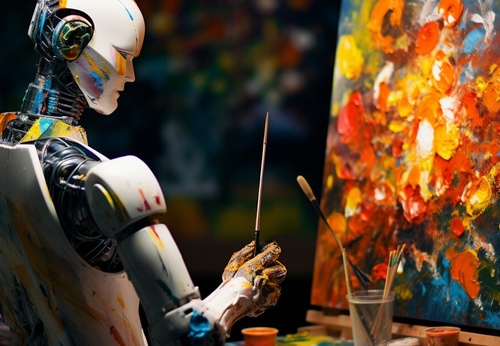
Artificial Intelligence as an Artistic Collaborator
Publications
- November 28, 2026
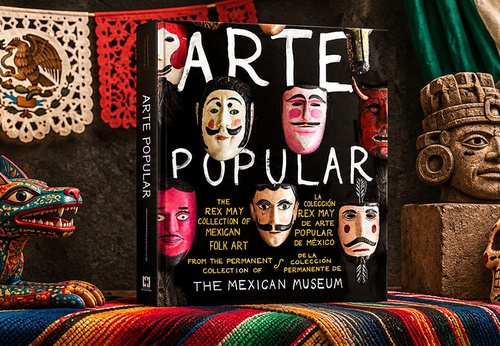
Folk Art
Daily Artwork
- November 28, 2026
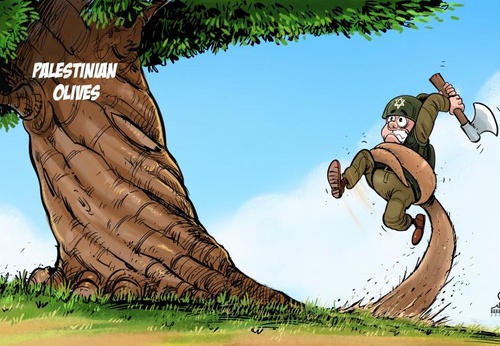
Palestinian Olives…
Gallery
- November 28, 2026
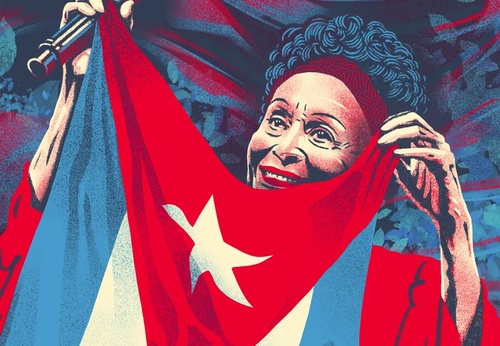
Gallery Of Graphic Design By Nelson Ponce - Cuba

Contest
- November 27, 2026
Children of Minab 168+1 International Cartoon Contest-2027
Video
- November 27, 2026
Brazilian Design History
Artist
- November 27, 2026
Doaa El-Adl

- November 28, 2026
Net Art: The Internet as an Exhibition …

- November 28, 2026
Artificial Intelligence as an Artistic …

- November 26, 2026
The Future of the Artistic Experience
- November 26, 2026
Digital Art and the Limits of the Artwo…
- November 25, 2026
Art in Subway Stations

- November 25, 2026
Commemorative Monuments and the Dispute…

- November 24, 2026
Environmental Art and the Climate Crisis
- November 24, 2026
Street Art and the Right to the City
- November 22, 2026
Walls That Speak: Muralism and the Poli…
- November 22, 2026
Visual Historiography: The Role of Pain…

- November 21, 2026
Printmaking: The Renaissance of Printma…

- November 21, 2026
Public Sculpture and Urban Memory: From…

- November 20, 2026
Back to the Canvas: Why Is Painting Sti…
- November 20, 2026
Contemporary Painting in Latin America

- November 17, 2026
Urban Interventions and Relational Art …

- November 17, 2026
The Artist's Book and Expanded Prints i…
- November 16, 2026
Printmaking and Illustration in Venezue…
- November 16, 2026
Sculpture and Environmental Art in Pana…

- November 14, 2026
Art in Venezuela

- November 14, 2026
Contemporary Art in Panama
- August 29, 2023
The history of Bolivian art

- February 19, 2024
Analysis and meaning of Van Gogh's Star…
- January 28, 2024
Culture and Art in Argentina

- September 25, 2023
What is the importance of art in human …

- September 23, 2023
What is paint?

- August 23, 2023
The 11 types of art and their meanings

- September 23, 2023
Painting characteristics
- August 10, 2023
14 questions and answers about the art …
- August 30, 2023
First artistic manifestations

- January 12, 2024
10 most beautiful statues and sculpture…
- September 23, 2023
History of painting
- October 18, 2023
History of sculpture
- May 26, 2024
Técnicas de artes visuais

- April 06, 2024
History of visual arts in Ecuador

- March 26, 2024
The importance of technology in art1
- November 21, 2024
History of Visual Arts

- July 13, 2024
The impact of artificial intelligence o…
- August 27, 2023
The history of art Mexico
- March 26, 2024
Cultural identity and its impact on art…
- April 07, 2024
Graffiti in Latin American culture
- February 19, 2024
Analysis and meaning of Van Gogh's Star…

- August 13, 2023
9 Latino painters and their great contr…
- August 23, 2023
The 11 types of art and their meanings
- August 27, 2023
15 main works of Van Gogh
- August 10, 2023
14 questions and answers about the art …
- August 29, 2023
The history of Bolivian art
- January 28, 2024
Culture and Art in Argentina
- November 06, 2023
5 Latin American artists and their works
- September 23, 2023
Painting characteristics
- September 23, 2023
What is paint?
- September 25, 2023
What is the importance of art in human …
- August 30, 2023
First artistic manifestations
- March 26, 2024
Cultural identity and its impact on art…

- January 26, 2025
10 of the best Bolivian painters
- December 18, 2023
10 iconic works by Oscar Niemeyer, geni…

- August 24, 2023
The most famous image of Ernesto "Che" …
- January 12, 2024
10 most beautiful statues and sculpture…
- May 26, 2024
Técnicas de artes visuais
- November 21, 2024
History of Visual Arts
- January 20, 2024
What is the relationship between art an…